Cellular Shades vs Solar Shades: Which Is Better for CO?
Love Is Blinds
Solar vs Cellular Shades: Best Choice for Colorado Springs

The Key Difference: Glare Control vs Insulation with
Window Treatments
At a basic level, solar shades and cellular shades are designed to solve different problems.
- Solar shades are built for glare reduction and UV protection
- Cellular shades are designed for insulation and energy efficiency
Understanding this difference is the first step in choosing the right solution for your home.

What Solar Shades Do Best
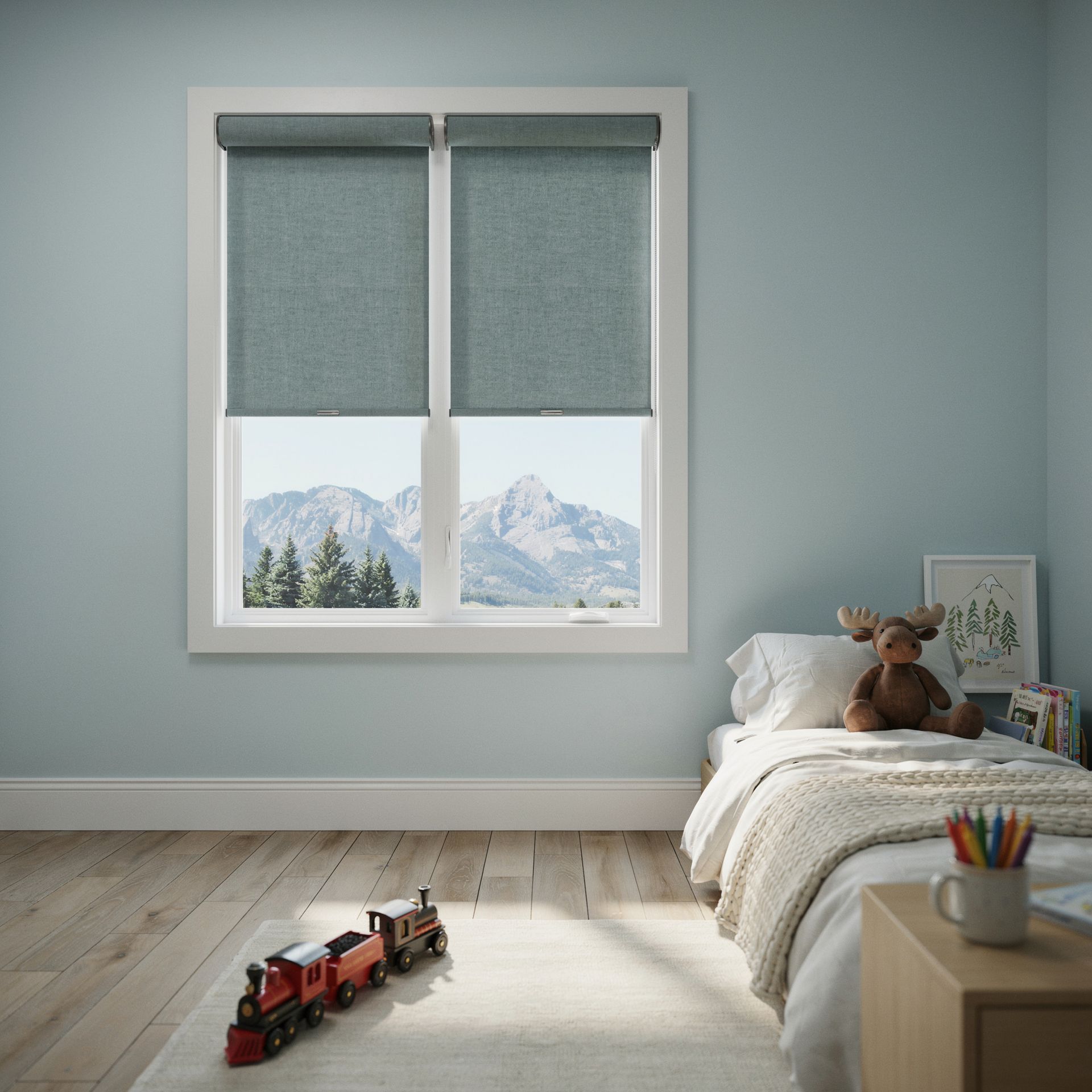
Solar shades and sheer roller shades are specifically designed to filter sunlight while preserving your view. They are ideal for homes in Colorado Springs where sunlight is strong and consistent throughout the year.
Benefits of Solar Shades
- Reduce glare on TVs, laptops, and reflective surfaces
- Block harmful UV rays that cause fading
- Maintain visibility to the outdoors
- Provide a clean, modern appearance while providing light control
Solar shades come in different openness levels, which determine how much light is filtered. Lower openness percentages block more light and reduce glare more effectively.
Best Rooms for Solar Shades
Solar shades work best in spaces where glare is the main issue:
- Living rooms with large windows
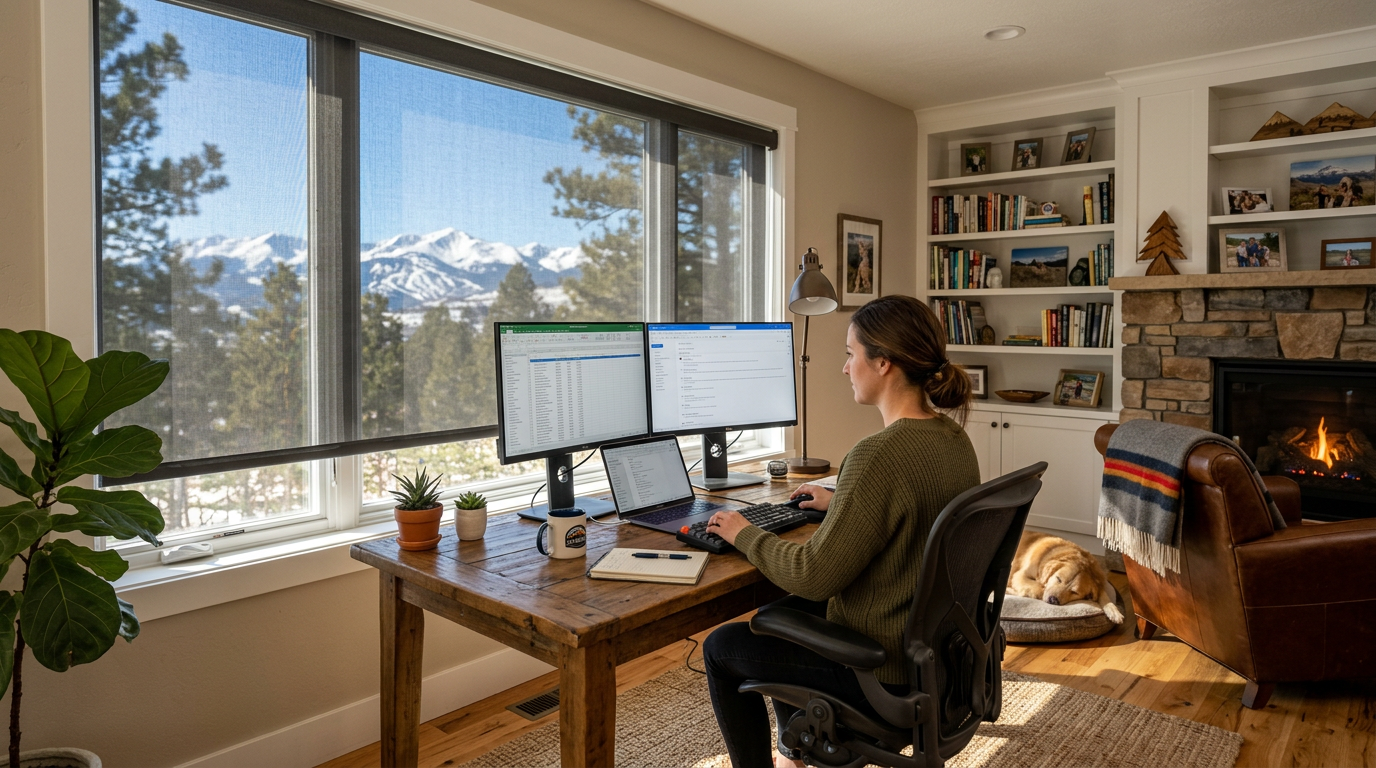
- Home offices with screens
- Kitchens with direct afternoon sun
- Open-concept areas with strong natural light
If your biggest frustration is brightness and glare, solar shades are typically the better choice.

What Cellular Shades Do Best
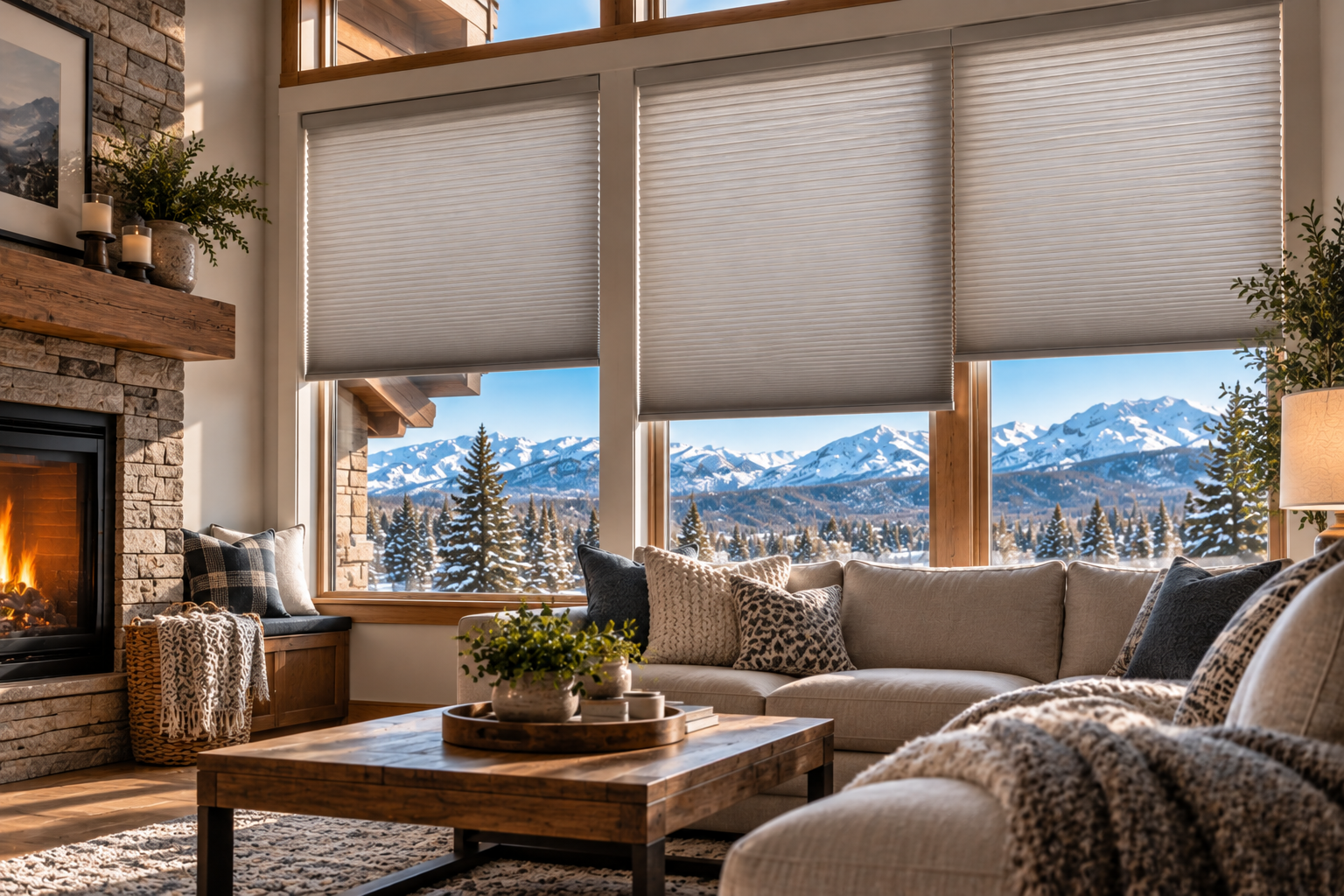
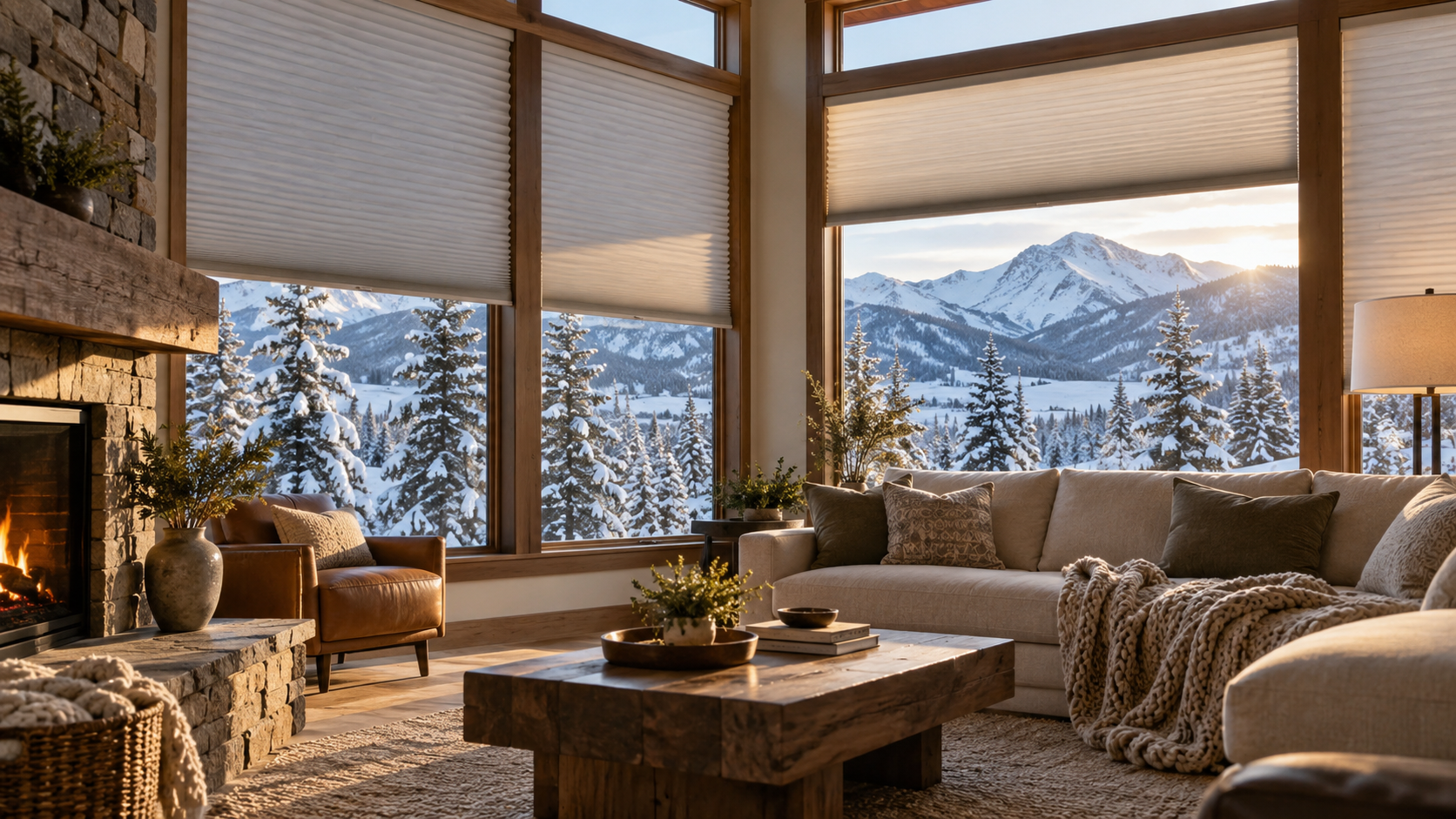
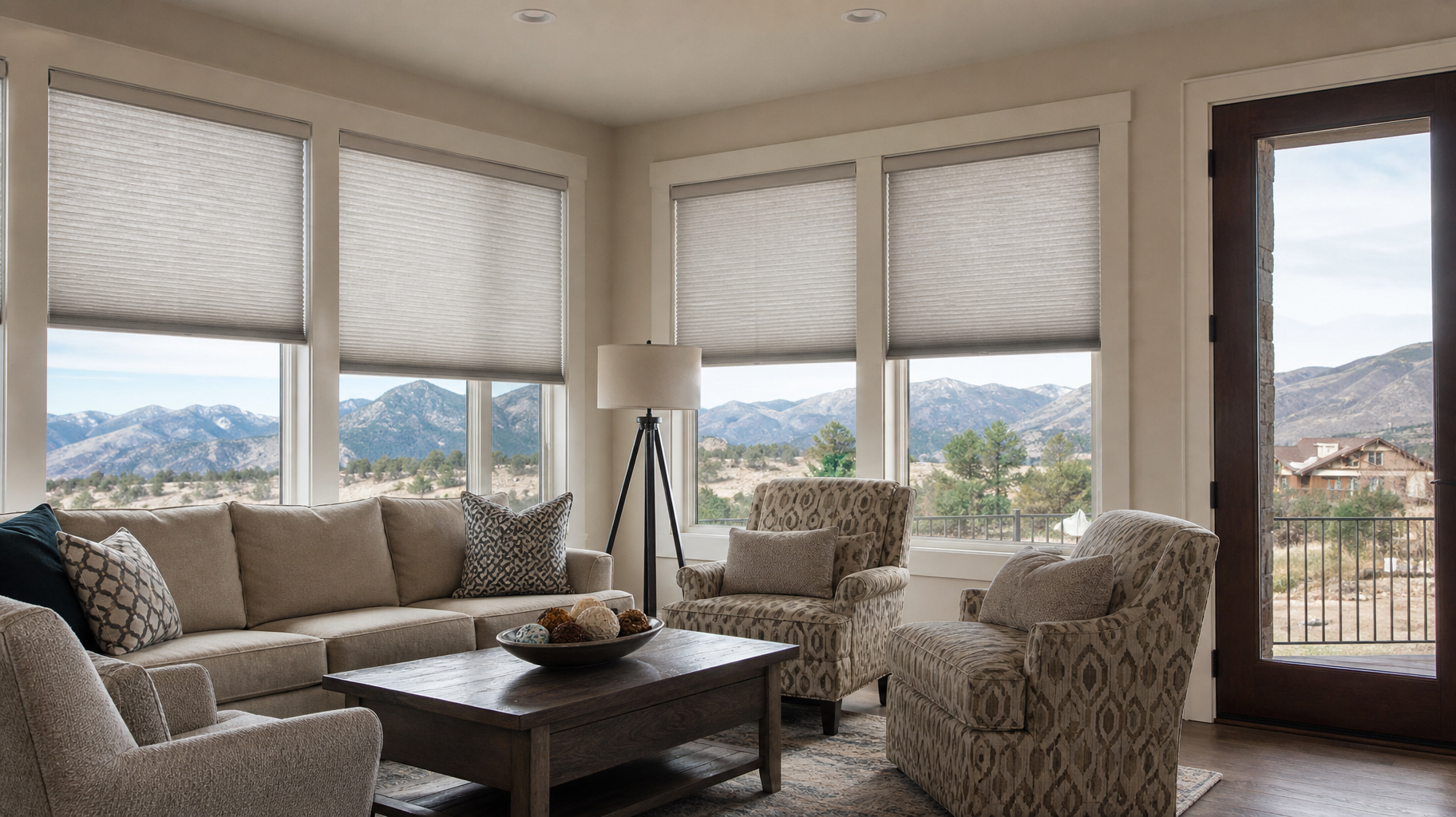
Cellular shades, also known as honeycomb shades because of their honeycomb structure, are designed to regulate indoor temperature. Their unique structure traps air, creating a layer of insulation at the window.
Benefits of Cellular Shades
- Improve energy efficiency year-round
- Reduce heat loss in winter
- Help block heat gain in summer
- Offer light-filtering and blackout options
This makes them especially valuable in Colorado Springs, where homes experience both cold winters and warm, sunny days.
Best Rooms for Cellular Shades
Cellular shades are ideal for spaces where comfort and insulation matter most:
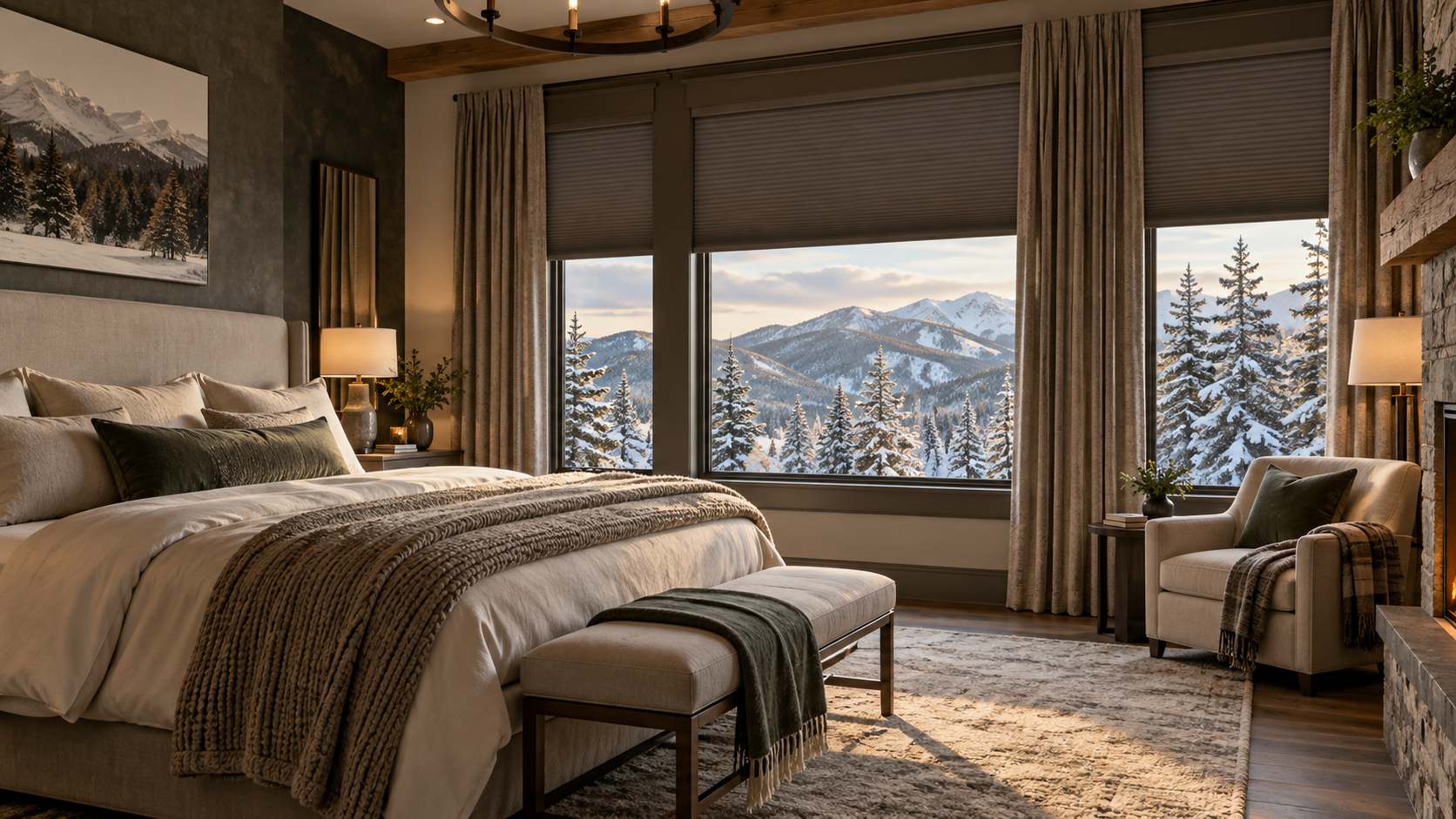
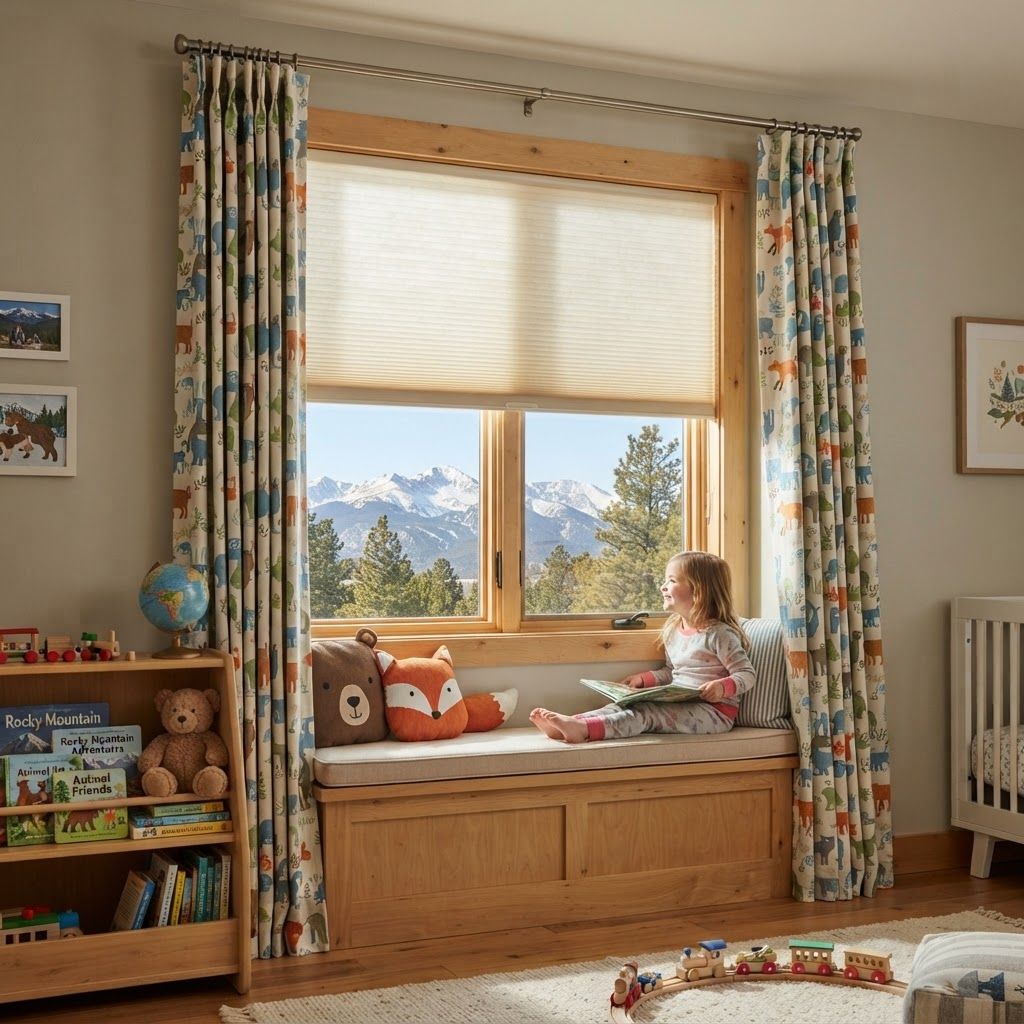
- Blackout cellular shades for bedrooms needing temperature control and privacy
- Living areas that feel drafty in winter
- Homes with older or less efficient windows
- Rooms where energy efficiency is a priority
If your concern is maintaining comfortable indoor temperatures, cellular shades are a strong solution.

Winter Performance: Which One Works Better?
During Colorado winters, insulation becomes more important—especially at night when temperatures drop.
- Cellular shades help retain heat and reduce drafts
- Solar shades offer minimal insulation but still allow natural light
For bedrooms and frequently used living spaces in winter, cellular shades often provide better overall comfort.

Summer Performance: Managing Heat and Sunlight
In the summer, both options can help—but in different ways.
- Solar shades reduce heat gain and block UV rays by filtering sunlight before it enters the room
- Cellular shades slow heat transfer but do not reduce glare as effectively
If your home gets strong afternoon sun, solar window shades can make a noticeable difference in brightness and comfort during the day.
Glare Control: A Clear Winner
When it comes to glare, solar shades are the more effective option.
They are specifically engineered to:
- Reduce harsh sunlight
- Improve screen visibility
- Maintain a bright but comfortable environment
Cellular shades can reduce light, but they don’t offer the same level of glare control unless you choose a room-darkening or blackout fabric.
How to Choose the Right Option for Your Home
To decide between solar and cellular shades, consider your primary goal:
Choose solar shades if you want to:
- Reduce glare
- Maintain outdoor views
- Keep spaces bright and open
Choose cellular shades if you want to:
- Improve insulation
- Increase energy efficiency
- Enhance comfort during colder months
For many homeowners, a combination of both delivers the best overall result.
Why Professional Guidance Matters
Choosing between solar and cellular shades isn’t always straightforward. Factors like window orientation, room usage, and lighting conditions all play a role in how well each option performs.
A professional consultation helps you:
- Evaluate which rooms need glare control vs insulation
- Select the right materials and configurations
- Ensure precise measurements for proper fit
- Create a cohesive look throughout your home
This ensures your investment performs the way you expect—without guesswork.
Schedule Your Free In-Home Consultation
If you’re deciding between solar and cellular shades for your window coverings, the best way to make the right choice is to see options in your own space. Love is Blinds Colorado offers in-home consultations to help you compare materials, understand performance differences, and find the ideal solution for each room.
Our team brings samples directly to your home, evaluates your lighting and layout, and provides expert recommendations tailored to Colorado living.
Schedule your free consultation today and get the right window treatments for comfort, efficiency, and style.
Frequently Asked Questions About Shades
Q: Are solar shades or cellular shades better for reducing heat?
A: Solar shades reduce heat by filtering sunlight before it enters the room, while cellular shades reduce heat transfer through insulation. The better option depends on whether glare or insulation is your main concern.
Q: Can solar shades provide privacy at night?
A: Solar shades provide daytime privacy, but at night, interior lighting can make the inside of your home visible from outside.
Q: Is it common to use both types in one home?
A: Yes. Many homeowners use solar shades in living areas and cellular shades in bedrooms to balance glare control and insulation.