How Colorado’s Climate Affects Window Treatment Choices
Love Is Blinds
How Colorado’s Climate Affects Window Treatment Choices

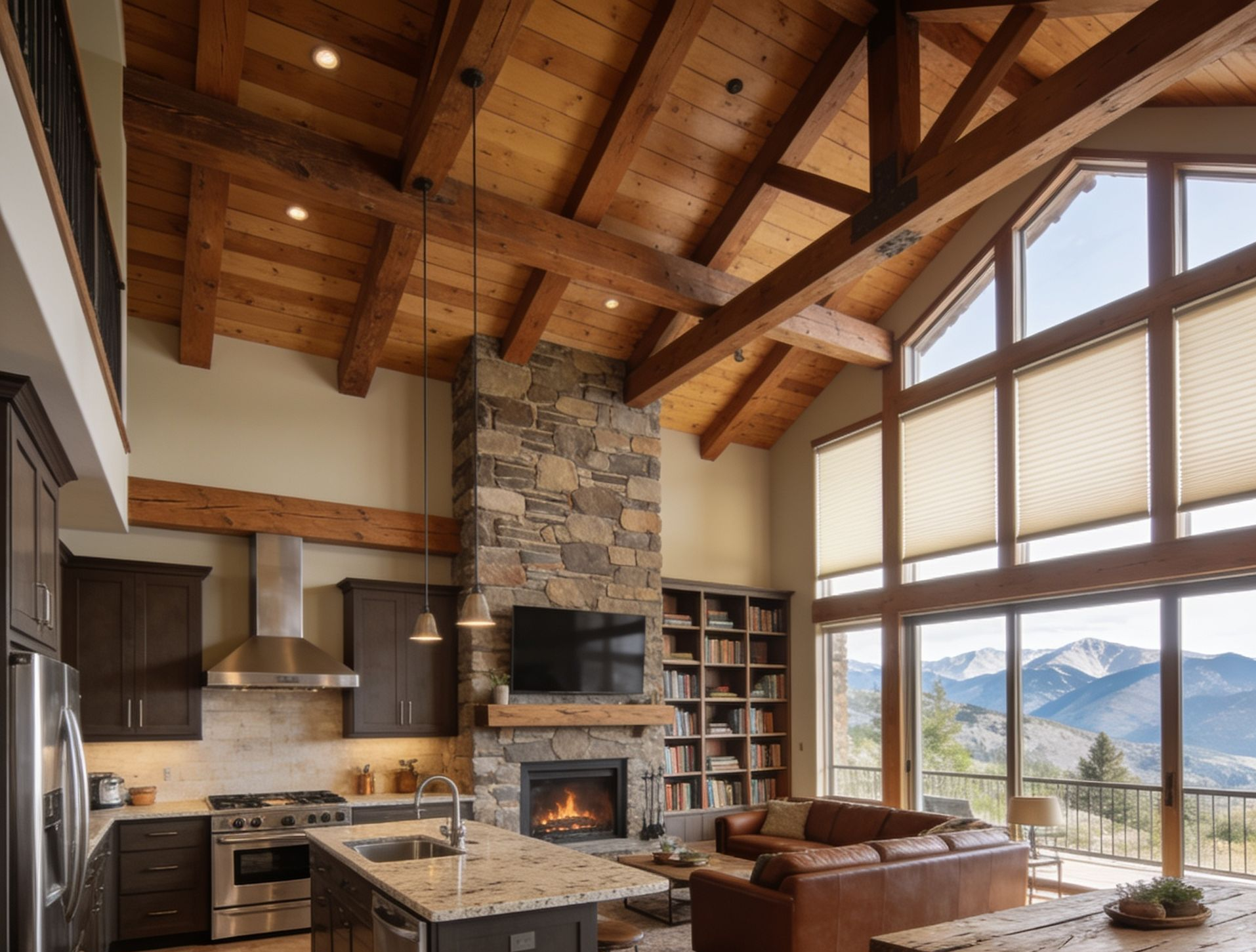
Colorado homes face environmental conditions that quietly shape comfort, durability, and energy efficiency every day. Many window-related issues aren’t caused by poor-quality products or faulty installation. Instead, they stem from regional climate factors. More specifically, Colorado’s climate affects window treatment choices in ways many homeowners don’t initially anticipate.
Most window treatment advice assumes moderate elevations, stable humidity, and gentle sunlight. However, Colorado’s high altitude, dry air, and dramatic seasonal shifts challenge those assumptions almost immediately. Understanding how these conditions influence window treatments is essential to preventing premature wear, maintaining consistent indoor comfort, and controlling long-term energy costs.
5 Factors of Colorado’s Climate that Affect Window Treatment Choices
1. Altitude changes the way sunlight behaves indoors.
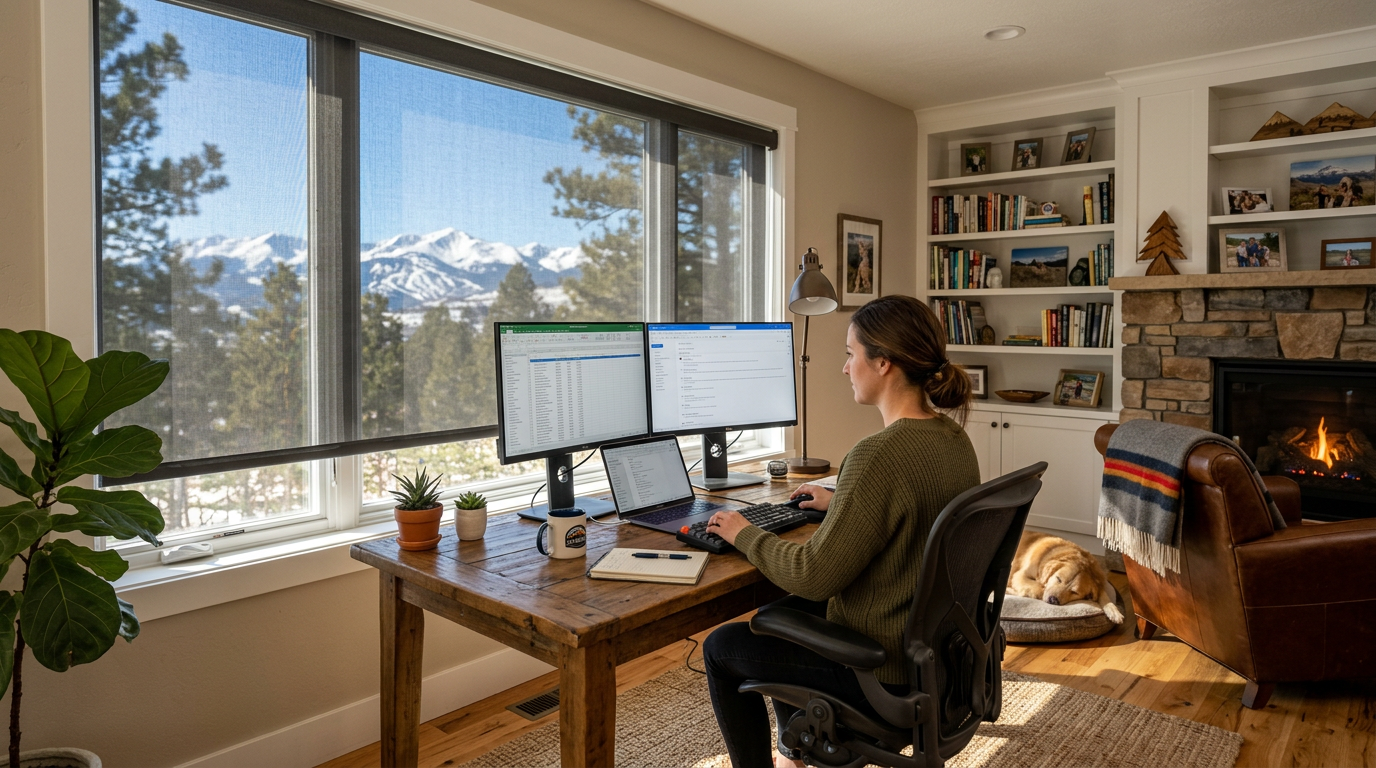
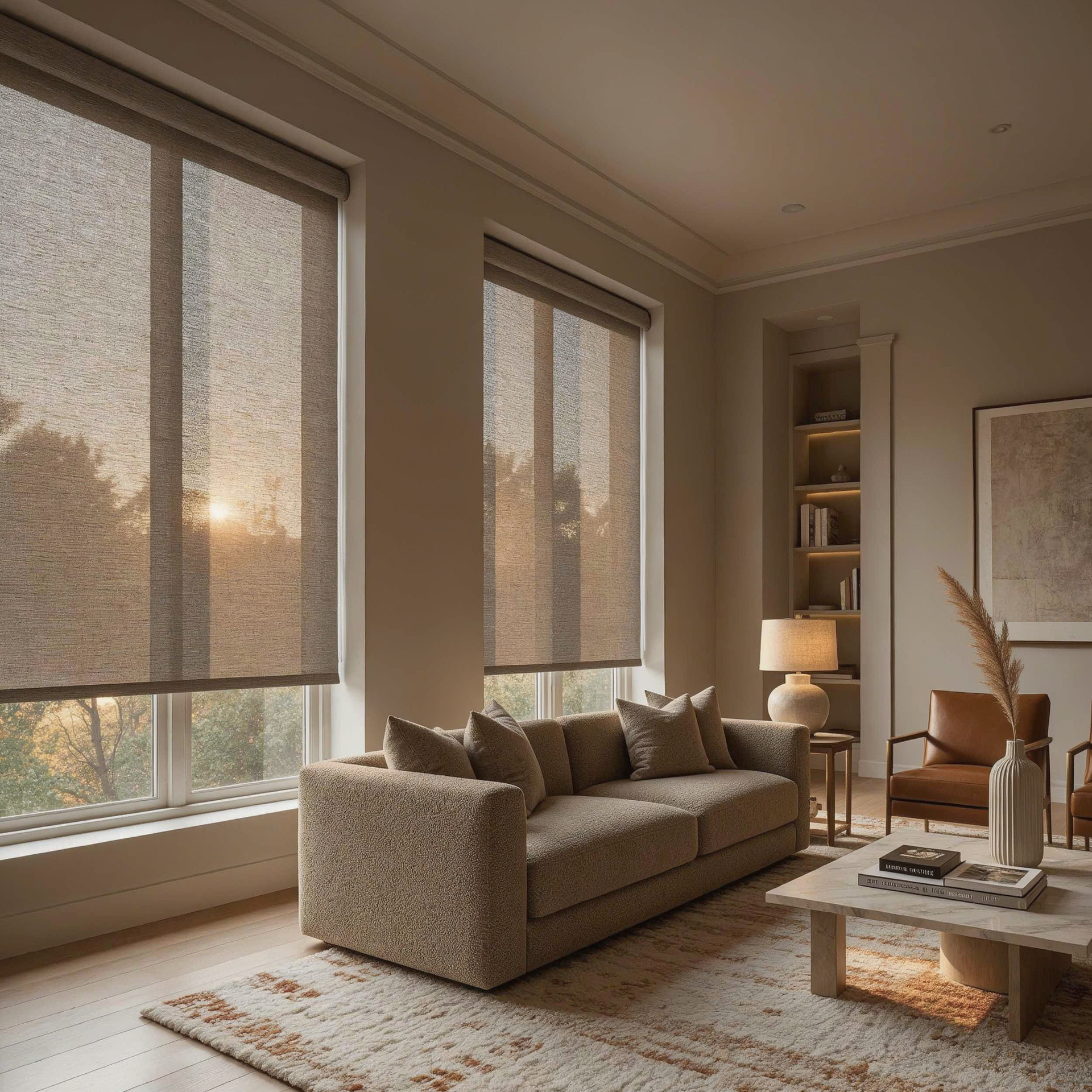
Higher elevation increases ultraviolet exposure, and that accelerates fading in fabrics, wood finishes, flooring, and upholstered furniture sooner than expected. Sunlight also appears brighter and more intense at altitude, even when outdoor temperatures remain cool. Rooms can feel visually harsh without feeling warm, which frequently creates confusion when choosing light-control window treatment solutions.
Standard blinds often overcorrect brightness by darkening spaces too aggressively. As a result, they’re left open longer throughout the day, unintentionally increasing UV exposure and interior damage. What’s needed in high-altitude homes is controlled diffusion, not complete blockage.
The solution for too much UV exposure? Dual shades.
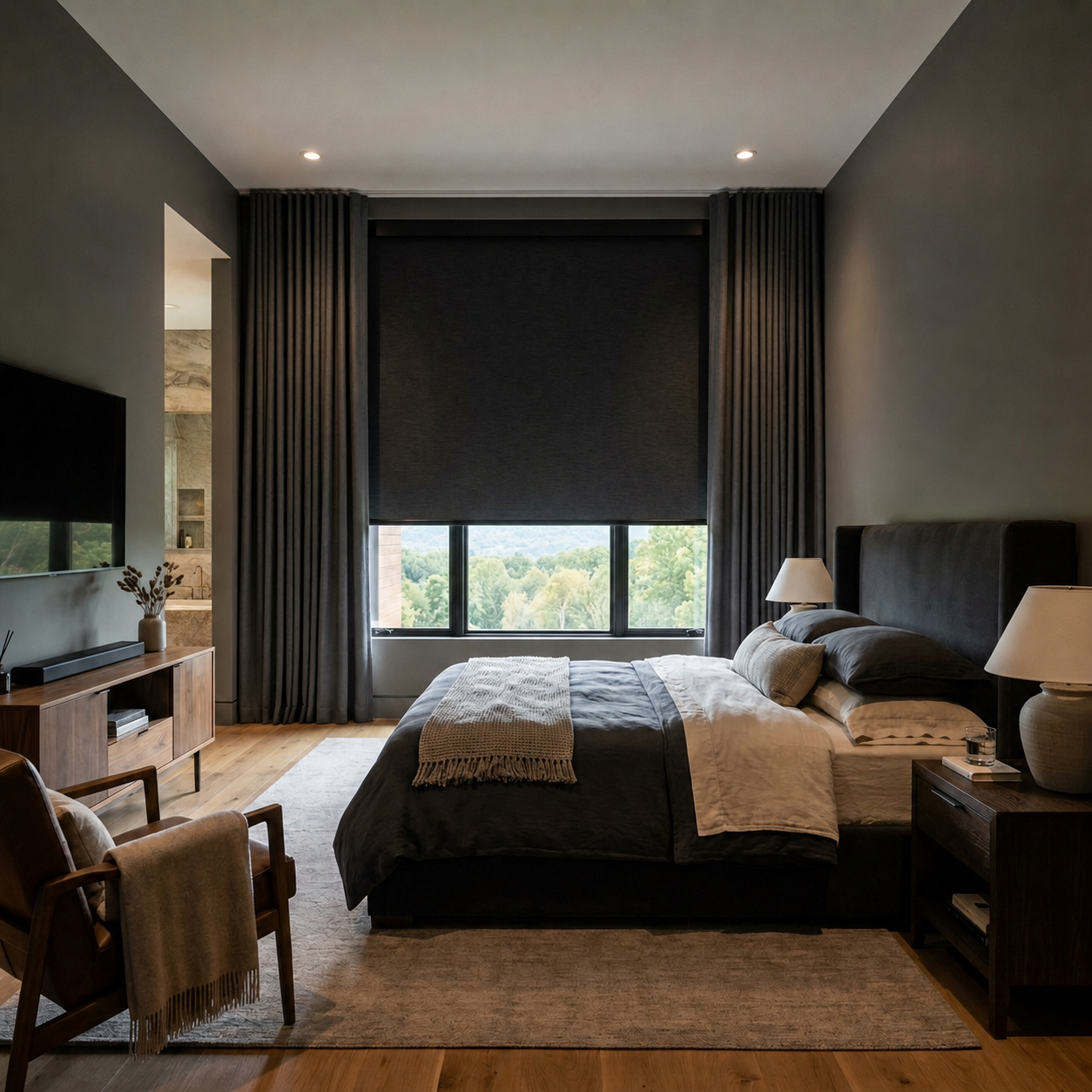
Dual shades allow you to fine-tune how much light enters a space throughout the day. One layer diffuses intense brightness and UV exposure, while the second provides privacy and light blocking when needed. This balance protects interiors without sacrificing natural light or views, an essential advantage in high-altitude Colorado homes.
2. Brightness, heat, and uv exposure are not the same thing.
Brightness affects how a room feels visually and emotionally. Heat gain influences temperature stability and monthly energy costs. Ultraviolet exposure causes long-term material damage even when heat levels feel comfortable.
Many off-the-shelf window treatments attempt to address all three issues with a single generic solution. Oftentimes, this leads to compromise: rooms that are either too dark, too warm, or insufficiently protected from UV damage.
Colorado homes perform best when these factors are addressed intentionally through thoughtful fabric selection, openness levels, and design layering. Separating these functions creates predictable performance instead of constant adjustments.
The most recommended window treatment to address brightness, heat, and UV exposure are honeycomb shades.
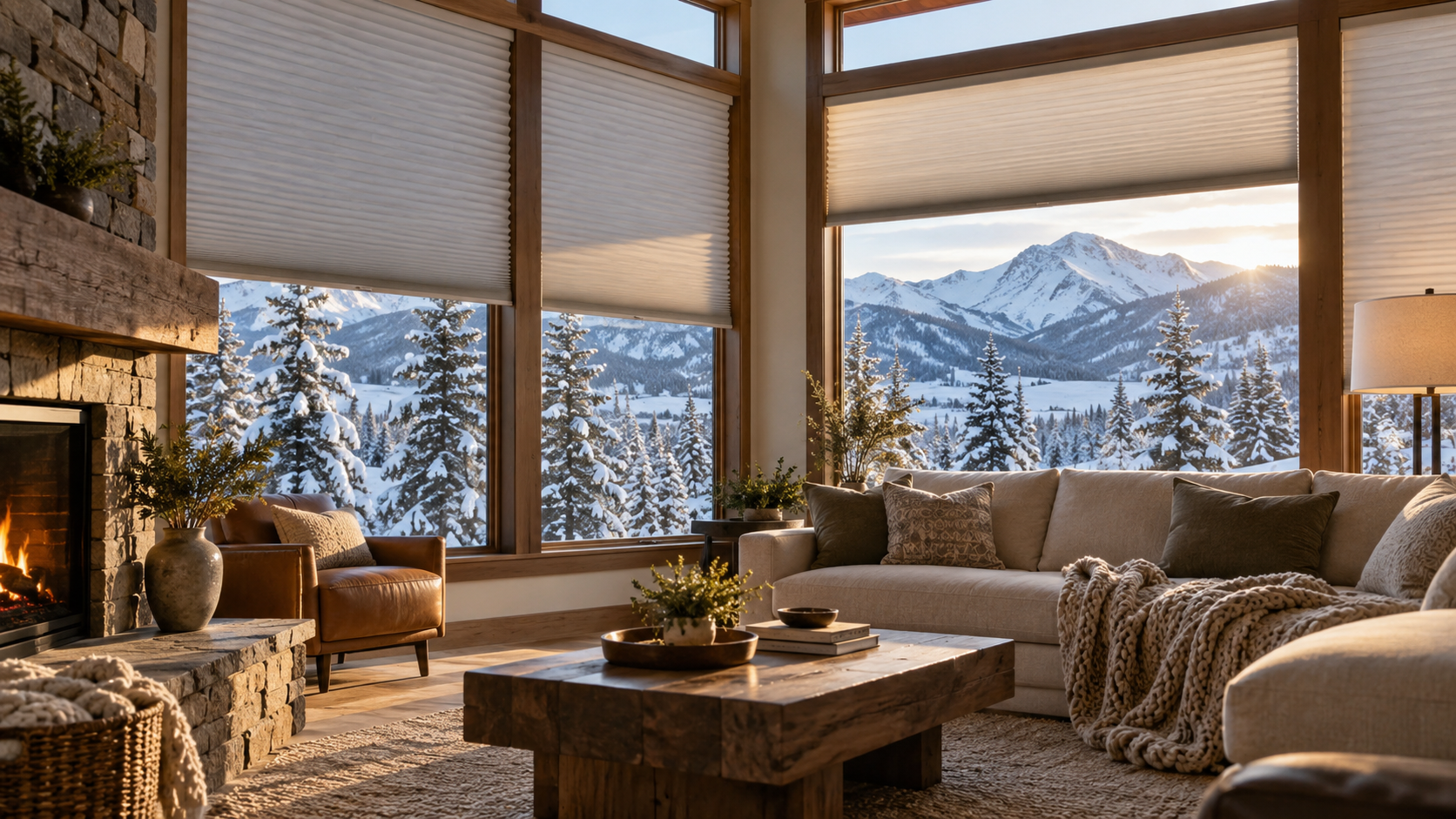
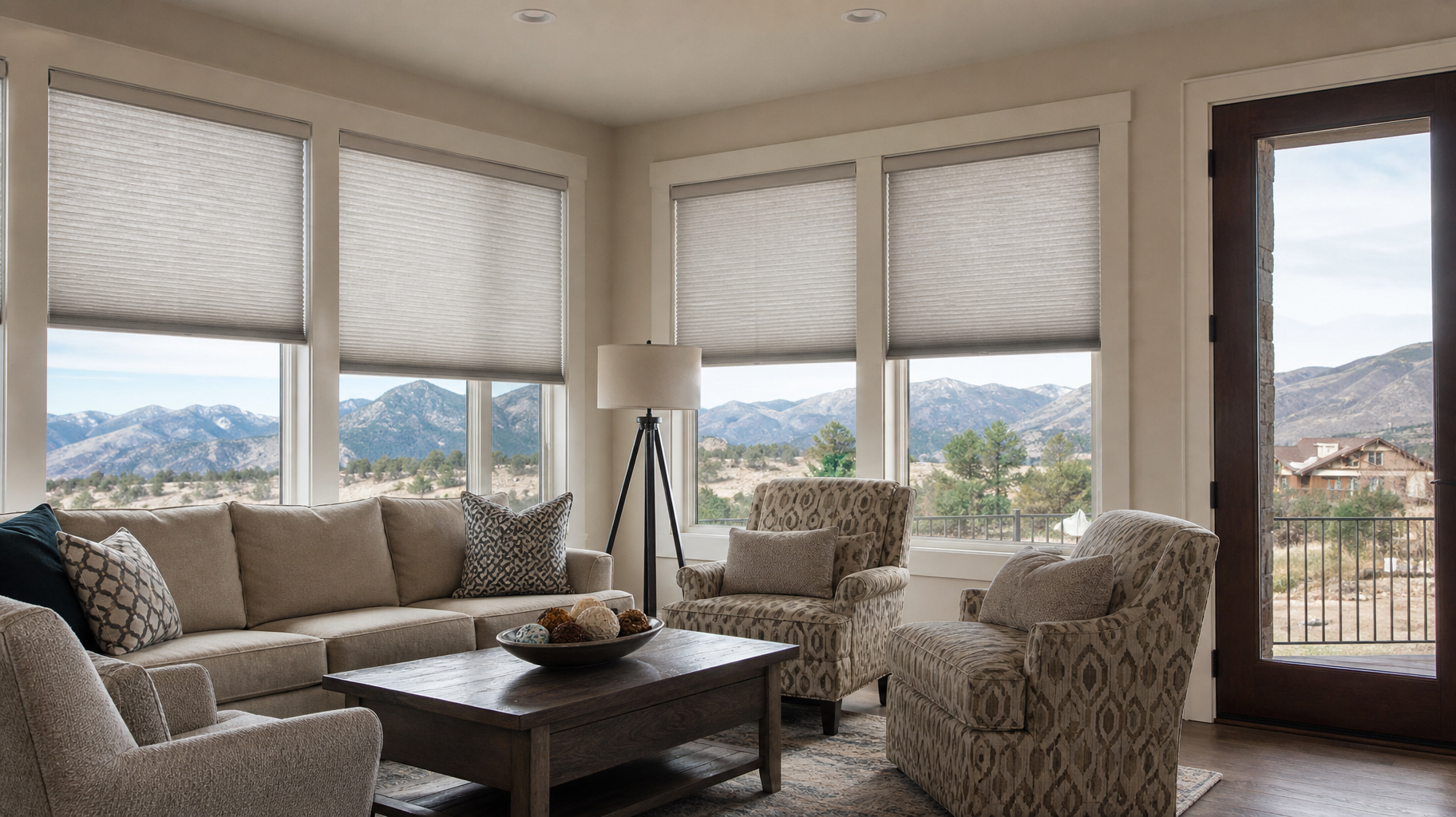
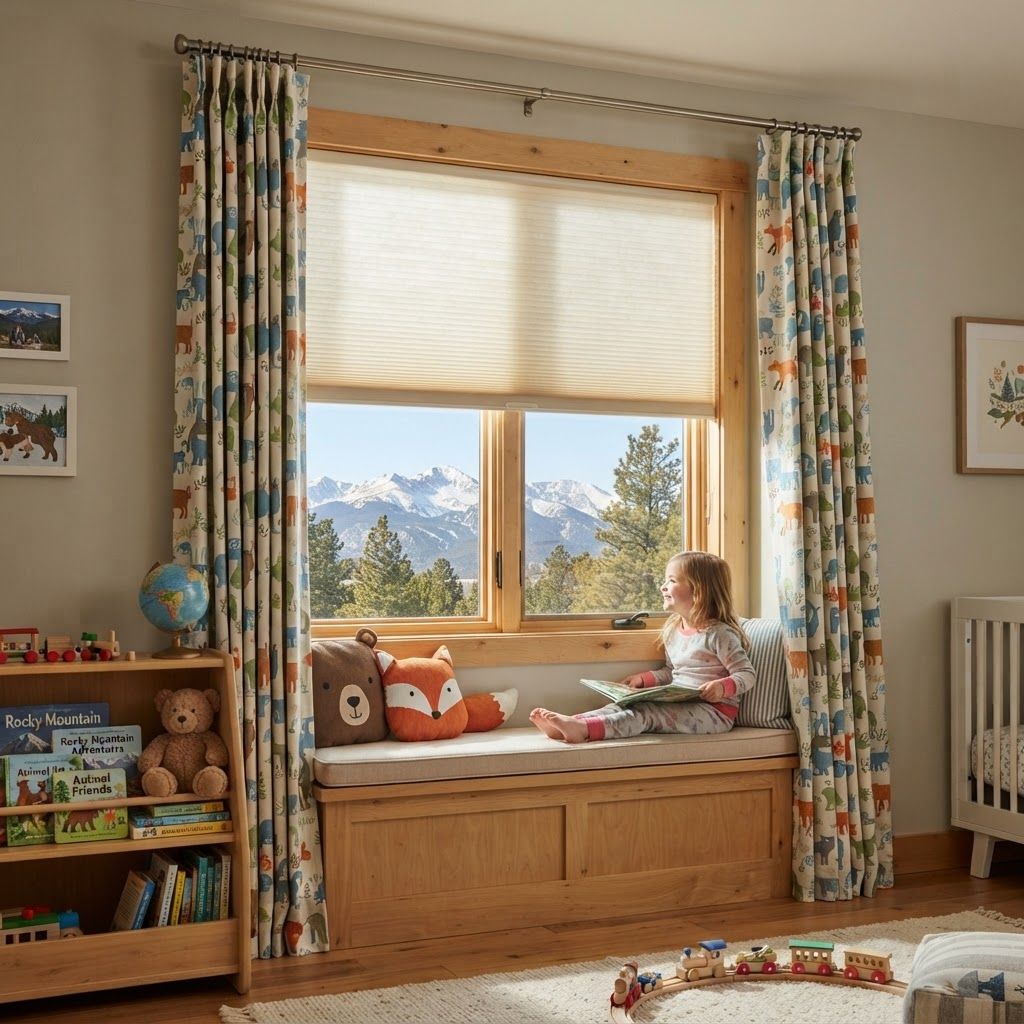
Honeycomb or cellular shades allow you to manage brightness, insulation, and UV protection independently. Light-filtering or blackout fabrics can be selected based on room needs, while the air pockets inside the shade reduce heat transfer. This makes them especially effective in Colorado’s variable climate.

3. Seasonal sun angles create unique challenges.
Colorado experiences dramatic seasonal shifts in sun angle. In winter, the sun sits lower in the sky and penetrates deeper into south-facing rooms, often creating glare and unexpected heat gain. During summer, higher sun angles and long afternoon exposure, especially on west-facing windows. This can lead to intense brightness and overheating.
A single fixed window treatment rarely performs well in every season. Treatments that can’t adapt force homeowners to choose between comfort and natural light.
At Love is Blinds Co, we recommended top-down bottom-up shades to address seasonal sun angles.
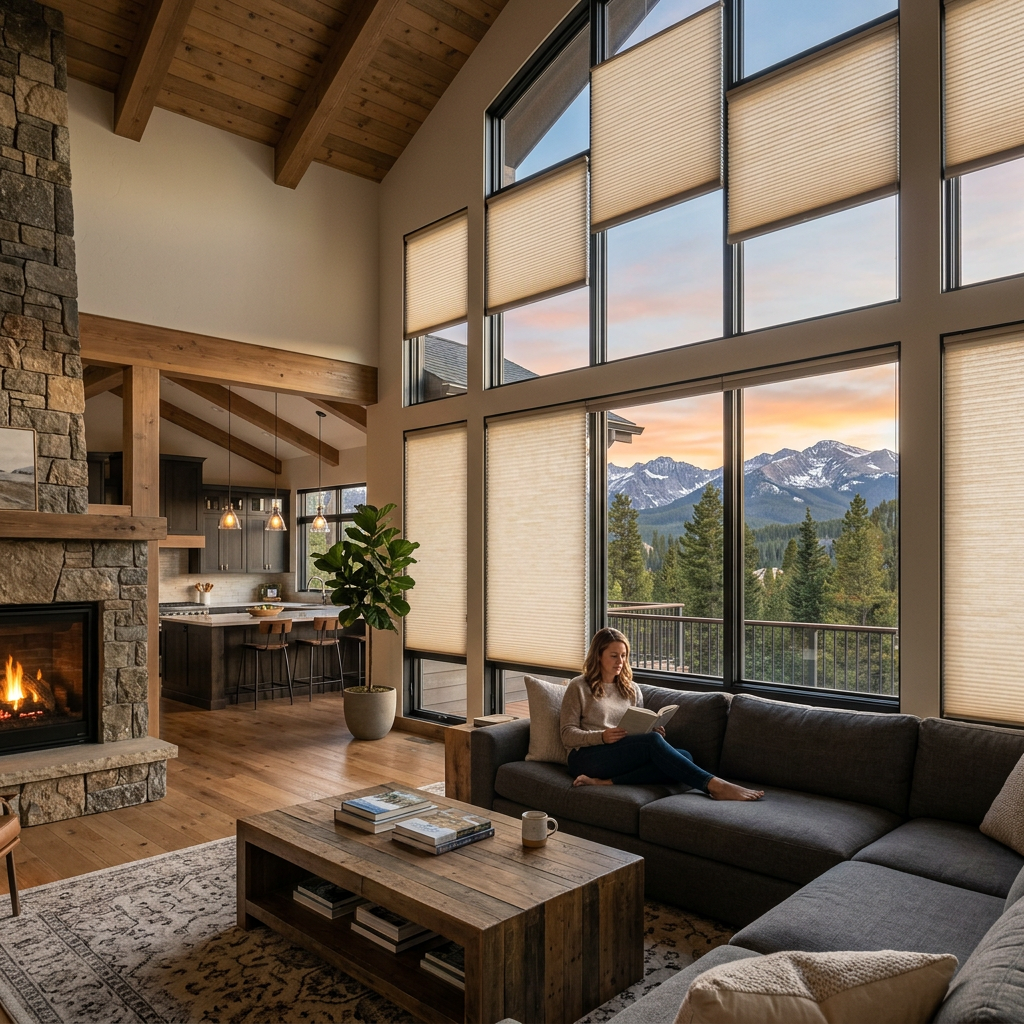
Top-down bottom-up shades adjustable shades allow light to enter from the top while blocking glare at eye level. These shades easily adapt to changing sun angles throughout the year. This flexibility is especially valuable in open-concept spaces and living areas with large or west-facing windows.
4. Heat gain is a year-round consideration.
Heat gain doesn’t disappear during colder months. Winter sunlight can overheat rooms even while outdoor temperatures remain below freezing. Poorly chosen window treatments trap unwanted warmth during the day and fail to insulate properly at night, leading to uncomfortable temperature swings.
This leads to constant thermostat adjustments or opening windows during winter, which are counterproductive and only drive up energy costs.
Manage heat gain with energy-efficient honeycomb shades.
These shades reduce solar heat gain during sunny winter days while insulating against heat loss at night. Designed to regulate heat flow year-round, their efficiency improves comfort and lowers heating and cooling costs across all seasons.

5. Dry Climate Effects on Materials
Colorado’s dry air steadily pulls moisture from natural materials. Lower-quality wood blinds may warp, crack, or separate over time. Painted finishes often fail first, showing hairline cracks or peeling edges long before their expected lifespan.
Some fabric treatments also become brittle if fibers aren’t designed for low-humidity environments. Over time, this leads to fraying, stiffness, or premature replacement.
The solution to the effects of dry climate is using window treatment made from natural materials.
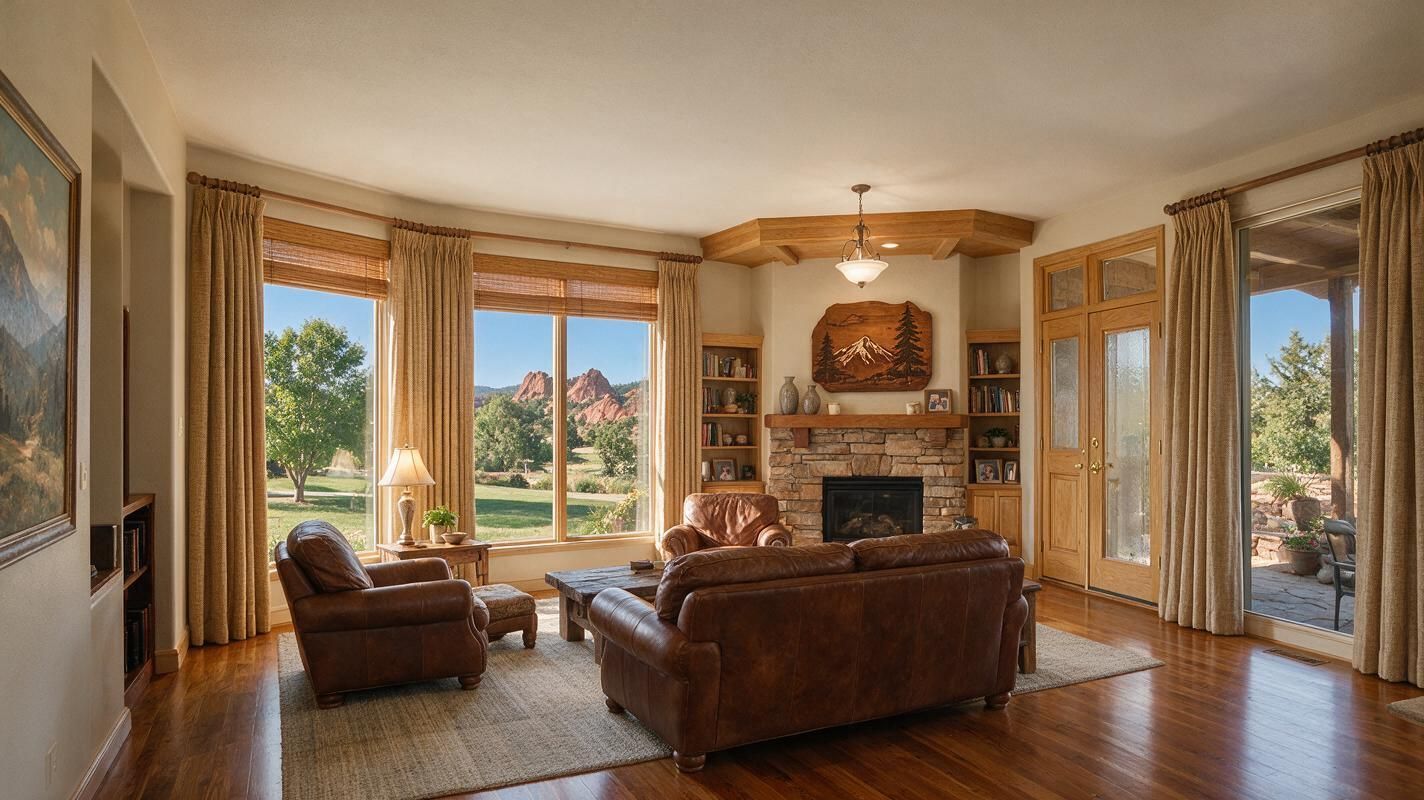
Woven wood shades are crafted from durable natural materials such as bamboo and grasses. These shades are more resilient in dry climates than traditional wood blinds or delicate fabrics. When properly constructed, they maintain their structure while adding warmth, texture, and longevity to your home’s interiors.
Why Solutions That Work Elsewhere Often Fail Here
Products designed for humid or coastal climates behave differently at high altitude. National retailers rarely adjust recommendations based on elevation or seasonal intensity.
Window treatments that perform well in other regions may fade, loosen, or malfunction more quickly in Colorado. This is often mistaken for poor quality rather than an environmental mismatch. Local expertise accounts for these conditions during both product selection and installation, preventing costly replacements and repeated upgrades.
Real Colorado Home Scenarios
Homes in Black Forest combine intense sun exposure with cold winters and wide temperature swings. Treatments must balance insulation, UV protection, and view preservation.
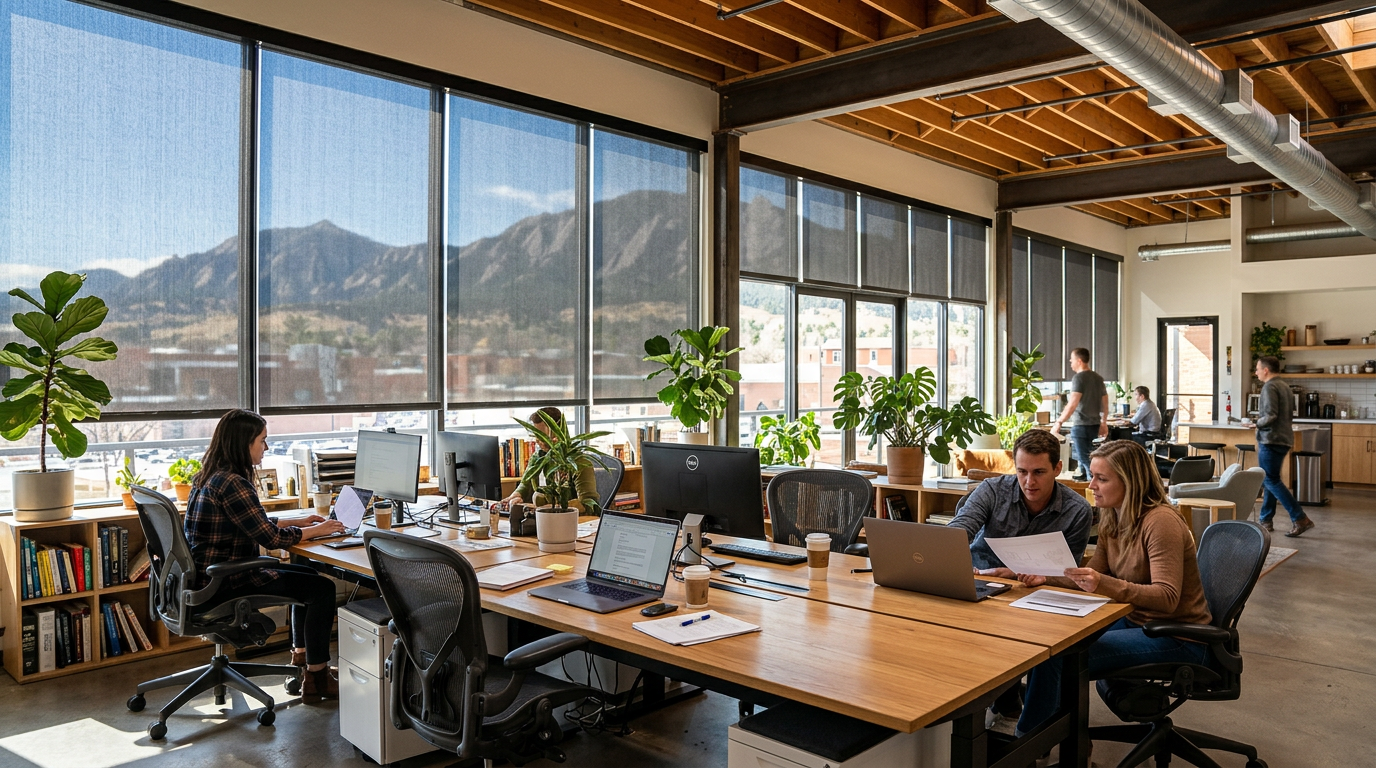
Downtown Colorado Springs condos experience persistent glare from surrounding buildings and reflective surfaces, making glare control essential for daily comfort and productivity.
Properties in Monument and Woodland Park, Colorado see dramatic seasonal shifts in light direction, requiring solutions that adapt without constant manual adjustment. Generic options rarely succeed across these varied conditions. Custom planning considers exposure, room use, and lifestyle patterns.
Why Local Knowledge Makes a Measurable Difference
Local professionals understand how Colorado homes are built, oriented, and exposed to environmental forces. They recognize how elevation, wind, and sunlight interact with window placement.
Accurate measurements account for window depth, trim style, and mounting limitations. Installation techniques minimize light gaps and improve long-term performance. This experience protects both comfort and investment while creating window solutions that feel effortless over time.
Colorado homes deserve window treatments designed for their environment, not generic recommendations built for national averages. Love Is Blinds Co creates solutions that respect altitude, sun exposure, and seasonal changes.
Schedule a free in-home consultation today. Trust us, we’ve got your windows covered.
Top 5 FAQs About Colorado Climate and Window Treatments
Does altitude really increase UV exposure inside a home?
Yes. Higher elevation significantly increases ultraviolet intensity, allowing more damaging rays to pass through windows throughout the day. This accelerates fabric fading, floor discoloration, and furniture damage without proper protection.
Are solar shades enough for Colorado summers?
Solar shades can be highly effective when openness levels are matched to window orientation, sun exposure, and daily room use. Incorrect openness selection may allow excessive glare or heat during peak afternoon hours.
Do cellular shades help during winter?
Cellular shades provide insulation by trapping air within their structure, reducing heat loss through windows. They help stabilize indoor temperatures and support lower energy usage during Colorado’s long winter season.
Is real wood a bad choice in dry climates?
Not necessarily. Material quality and construction matter greatly in dry environments. Proper finishes, engineered cores, and professional installation significantly reduce warping risks.
Why does my west-facing room feel different every season?
Seasonal sun angles shift dramatically in Colorado, changing how light and heat enter west-facing windows. These shifts affect glare intensity, temperature, and overall comfort depending on time of day and season.