Best Window Treatments for Drafty Colorado Windows
Love Is Blinds
Which Window Treatments Help Reduce Drafts in Colorado Homes?
Drafty windows can make a Colorado home feel colder long before winter reaches its peak. You may notice chilly air near the sofa, a cold bedroom at night, or one room that never seems as comfortable as the rest of the house.
Window treatments can help reduce the feeling of drafts by creating another layer between the room and cold glass. Cellular shades, insulating shades, shutters, and layered window treatments are among the best choices for improving winter comfort.
However, window treatments cannot repair an actual gap or air leak around a window. The best results come from combining proper weather sealing with window coverings designed to improve insulation.
What Are the Best Window Treatments for Drafty Windows?
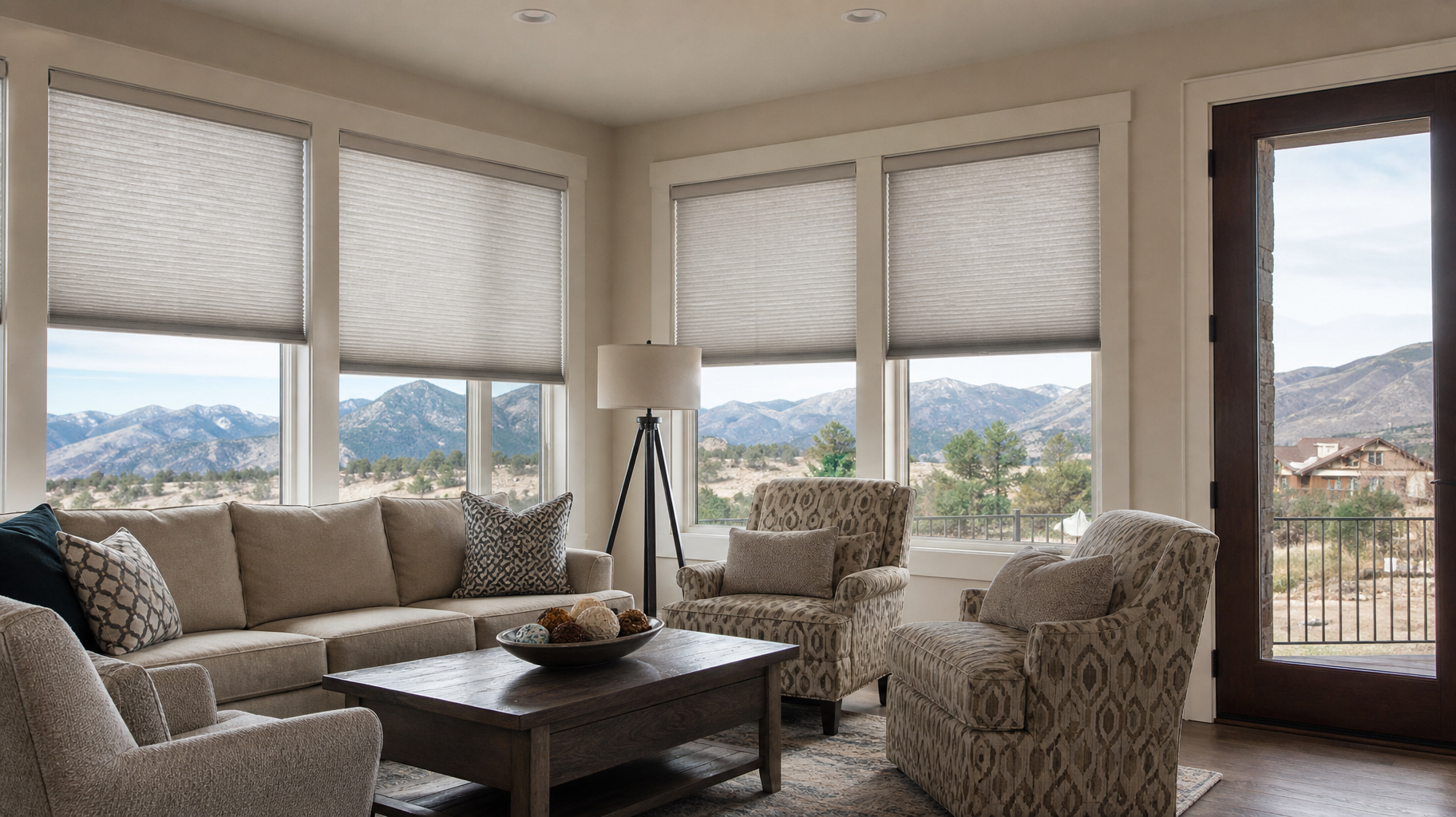
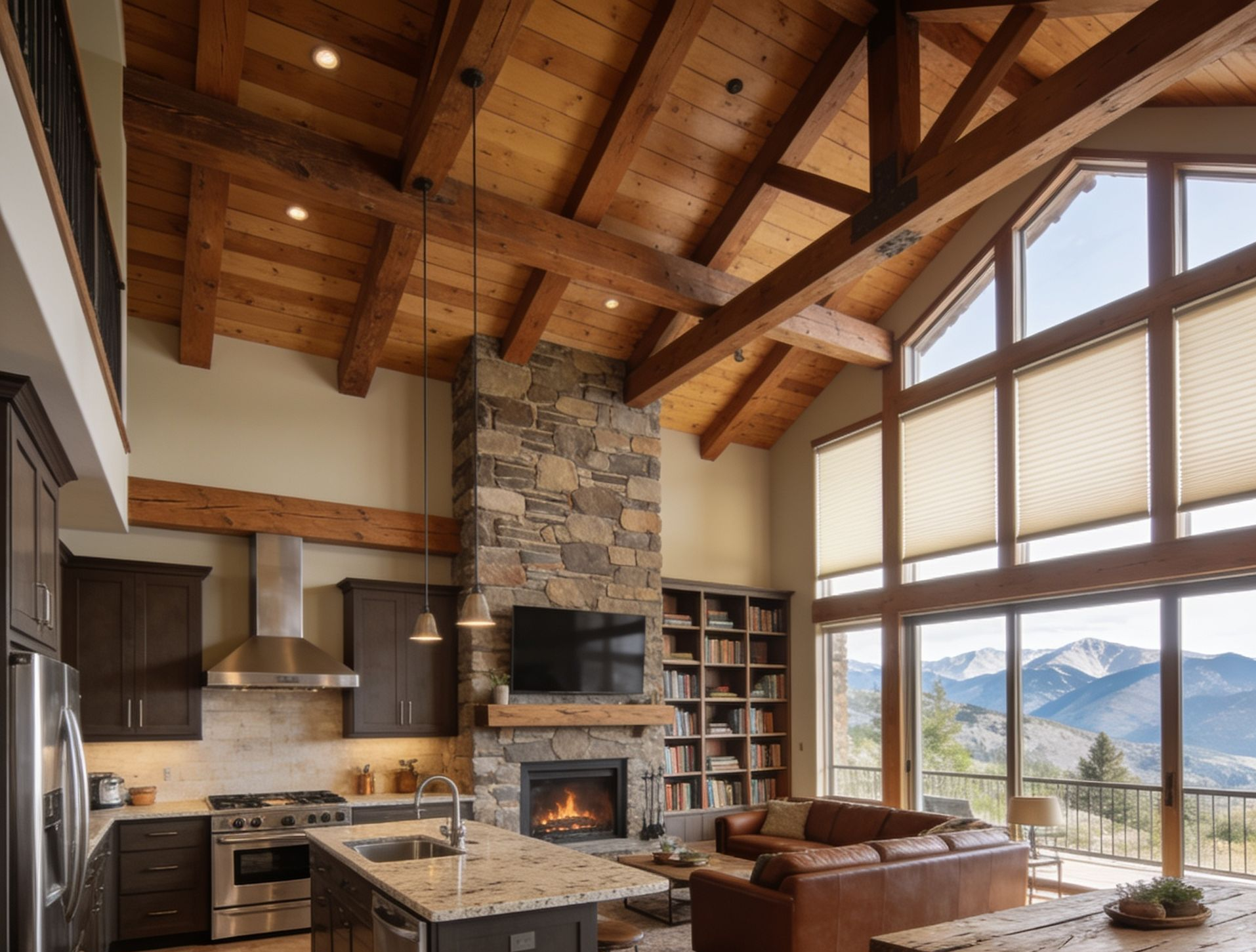
Cellular shades are one of the best window treatments for drafty windows because their honeycomb cells trap air and create an insulating barrier near the glass.
Other useful choices include:
- Cellular or honeycomb shades
- Insulating window shades
- Interior shutters
- Roman shades with suitable linings
- Layered shades and drapery
- Motorized insulating shades
Each option works differently.
Cellular shades focus heavily on insulation. Shutters add a solid barrier while offering adjustable light control. Drapery can add another layer over a shade when a room needs greater winter comfort.
The right treatment depends on the window, the room, and whether the problem is cold glass, an actual air leak, or both.
How Do Cellular Shades Help With Cold and
Drafty Windows?
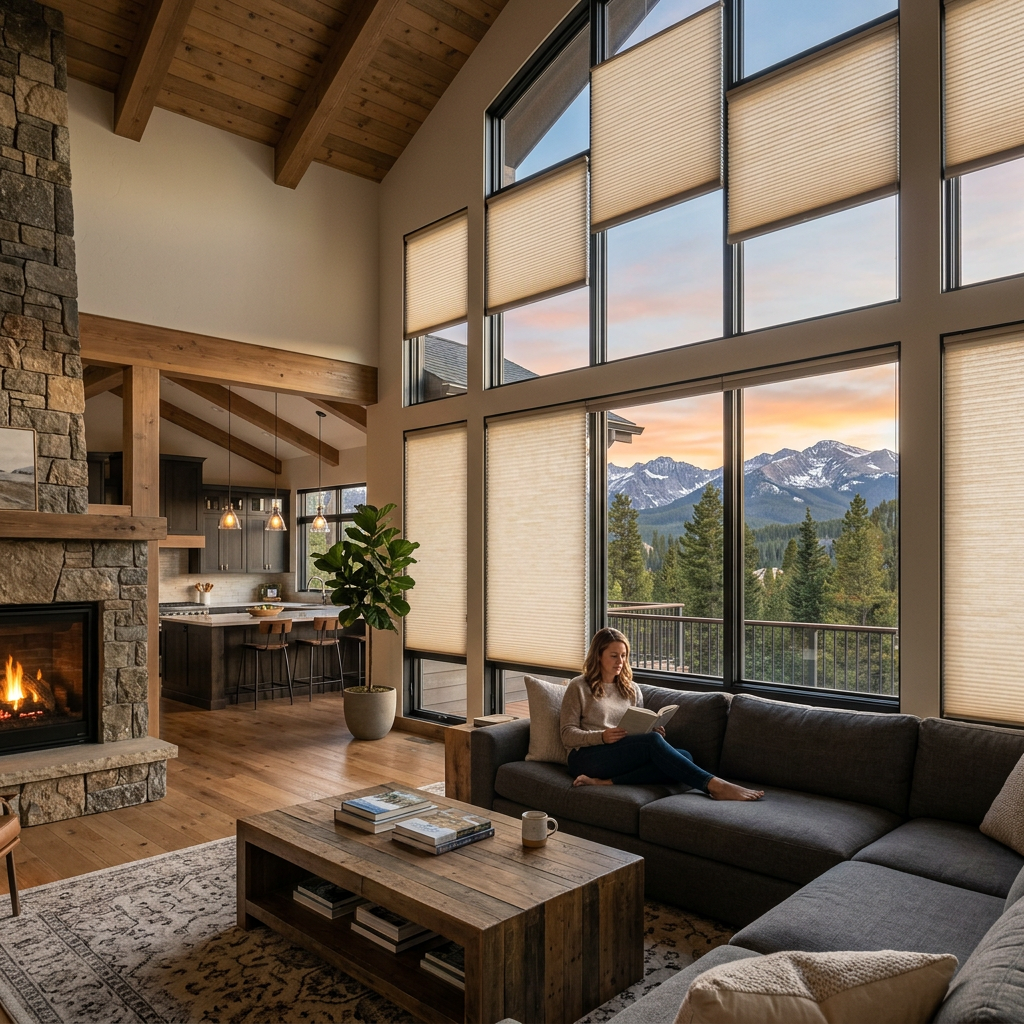
Cellular shades help reduce cold near windows by trapping air inside honeycomb-shaped pockets between the room and the glass.
That trapped air acts as insulation. It slows heat transfer and can reduce the cold sensation homeowners often notice when sitting near windows during winter.
This makes cellular shades especially useful for:
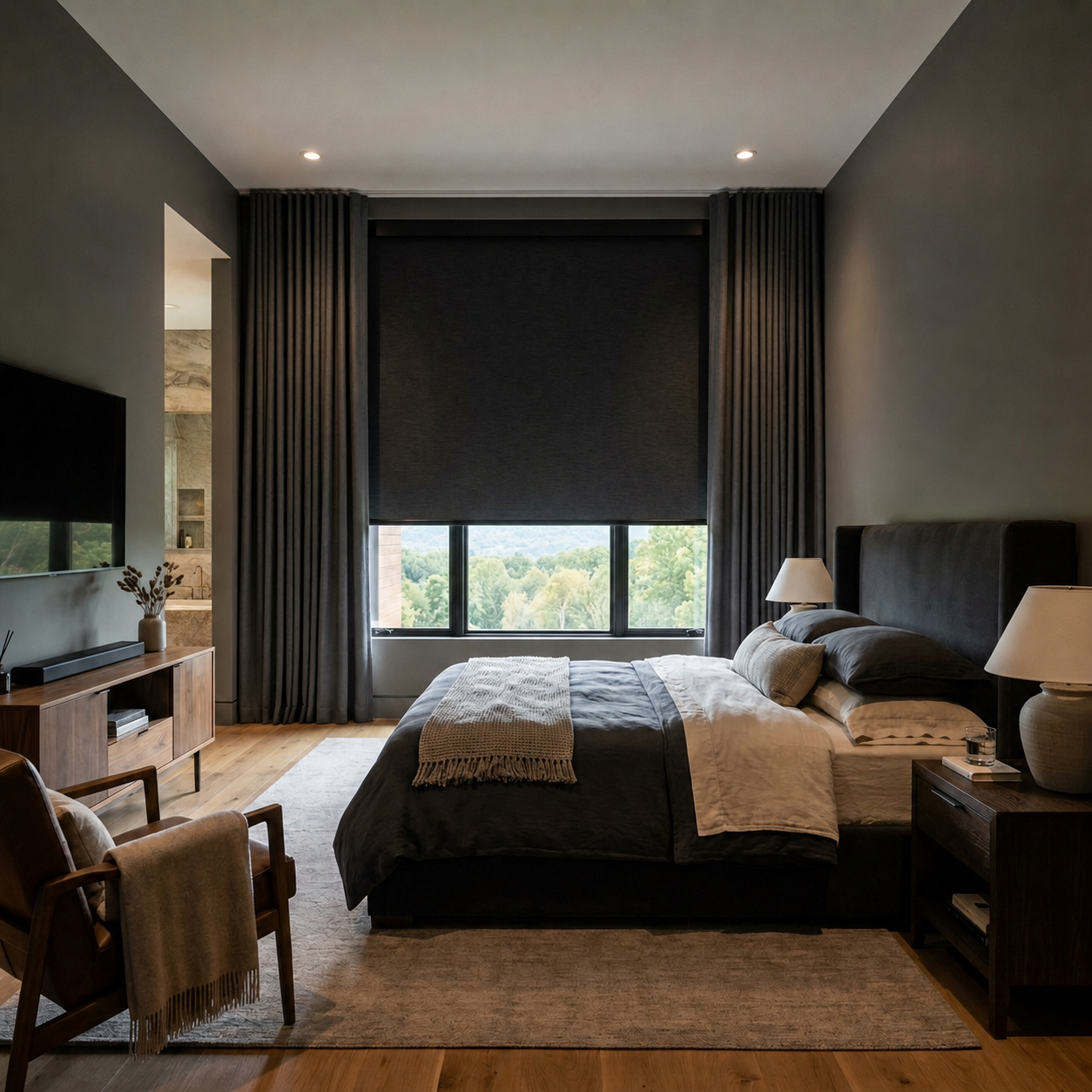
- Bedrooms
- Living rooms
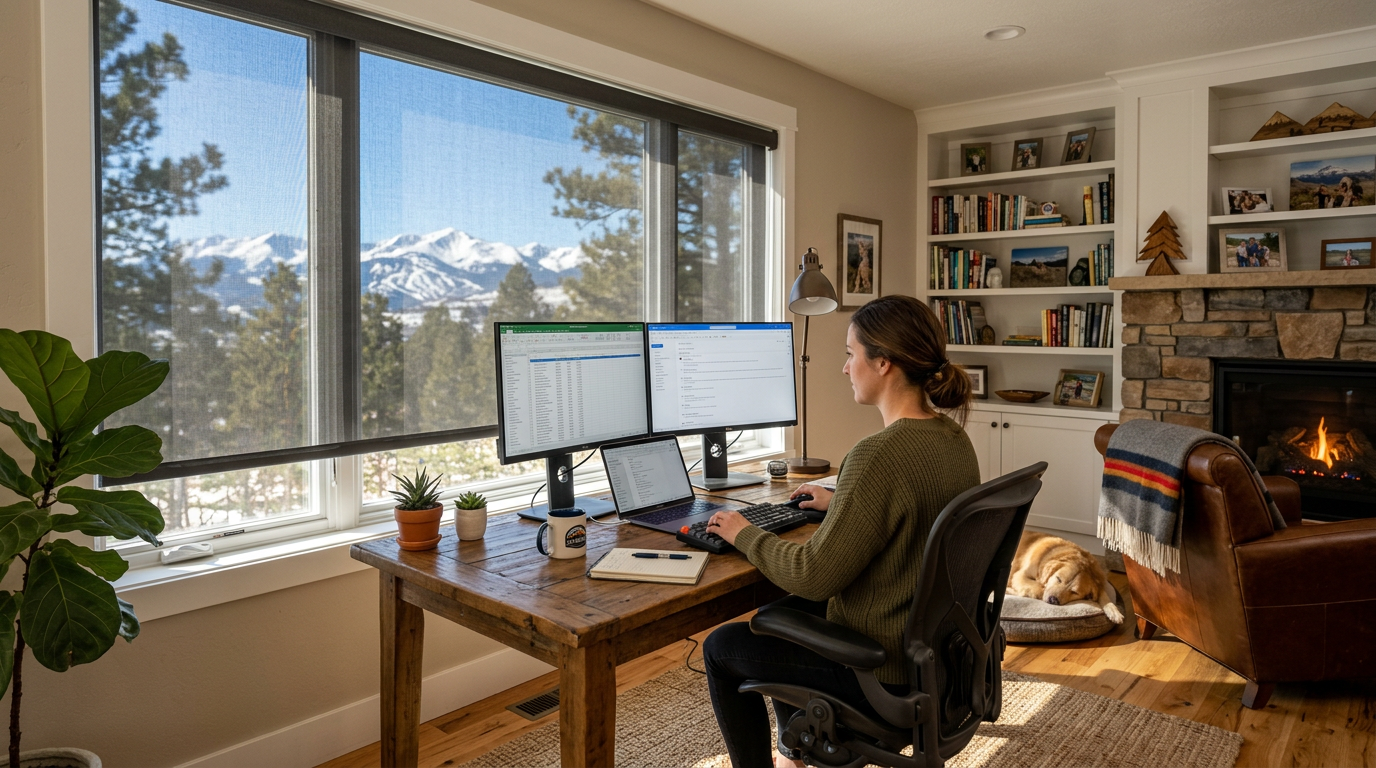
- Home offices
- Large windows
- North-facing windows
- Rooms that feel colder overnight
The U.S. Department of Energy has identified cellular shades as one of the more effective insulating interior window coverings. Their performance depends partly on the construction and how closely the shade fits the window.
Custom measurement can make a meaningful difference. Large gaps at the sides allow more air movement between the window and the room.
Cellular shades also work throughout the year. The same insulating structure that helps during winter can help reduce unwanted heat transfer during warmer months.
Can Window Treatments Actually Stop a Window Draft?
No. Window treatments can reduce the feeling of a draft, but they cannot permanently fix outside air entering through cracks or gaps around a window.
There are two common reasons a window may feel drafty.
The first is an actual air leak. Outside air may be entering around the frame, sash, or another poorly sealed area. Caulking, weatherstripping, or window repair may be needed.
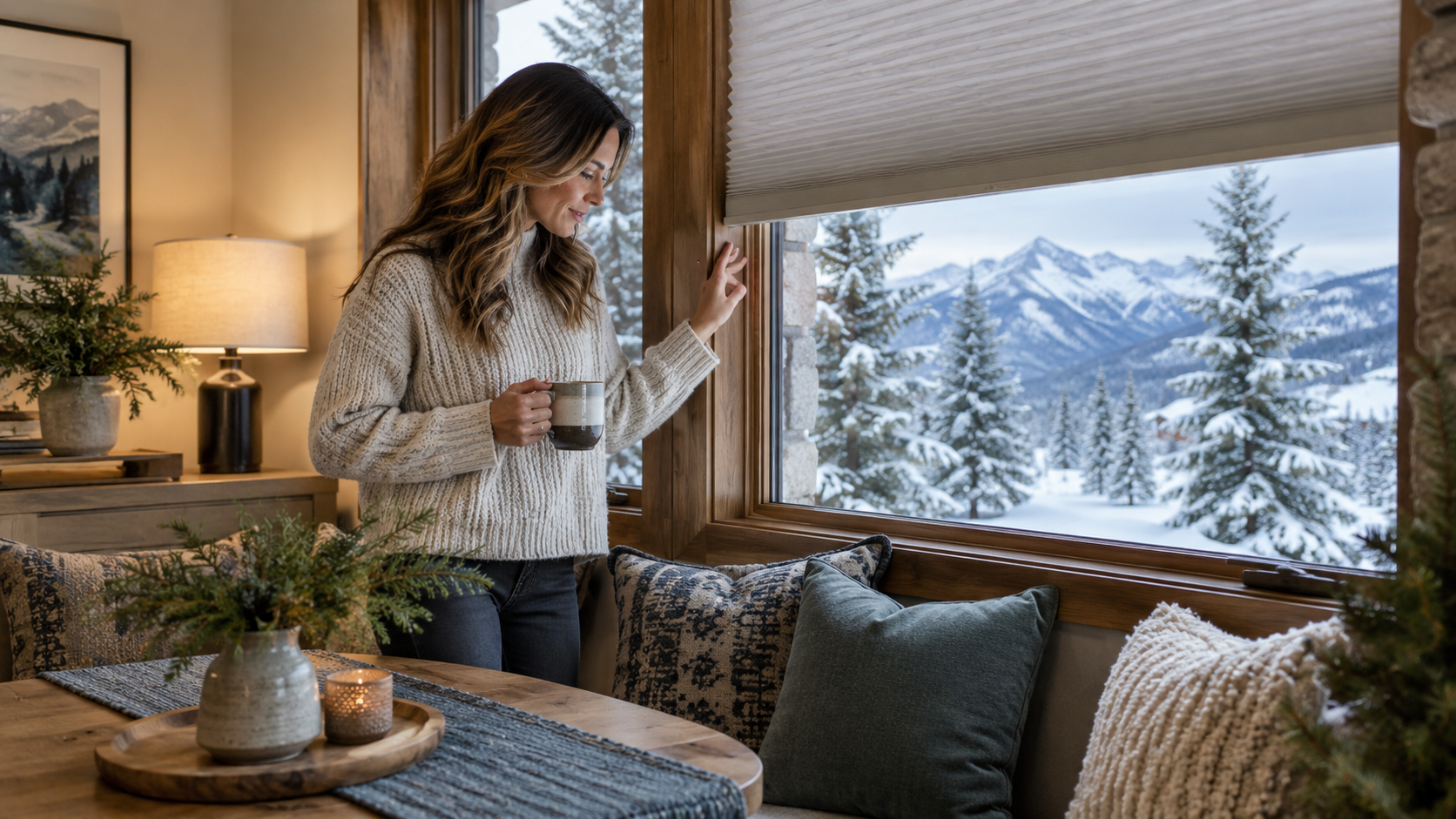
The second is cold-air movement caused by the glass itself. Warm room air cools when it reaches a cold window and moves downward. This circulation can feel like a draft even when outside air is not entering.
Insulating window treatments are particularly helpful with the second problem. They create separation between the room and the cold glass.
If you can actually feel outside air entering around the window frame, address that problem first. Then add energy-efficient window treatments for greater comfort.
Love is Blinds Colorado can help you compare insulating shades, shutters, and layered window treatments based on the way each room feels during colder weather. An in-home consultation also makes it easier to evaluate window size, exposure, privacy, and light control together.
Do Shutters Help With Drafty Windows?
Yes. Interior shutters can make drafty areas feel more comfortable by adding a solid layer between the room and the window.
When shutters are closed, their panels cover much of the glass. This helps separate indoor air from the cold window surface.
Shutters also give homeowners excellent control over winter sunlight.
On bright Colorado days, you can open or tilt the louvers to let sunlight enter the room. As temperatures fall in the evening, closing the shutters adds another layer at the window.
Shutters are especially appealing when homeowners also want:
- Adjustable privacy
- Precise light control
- Long-term durability
- Easy maintenance
- Architectural style
For maximum insulation alone, cellular shades may perform better. Shutters provide a different combination of comfort, durability, and design.

Does Layering Window Treatments Help Keep Cold Air Out?
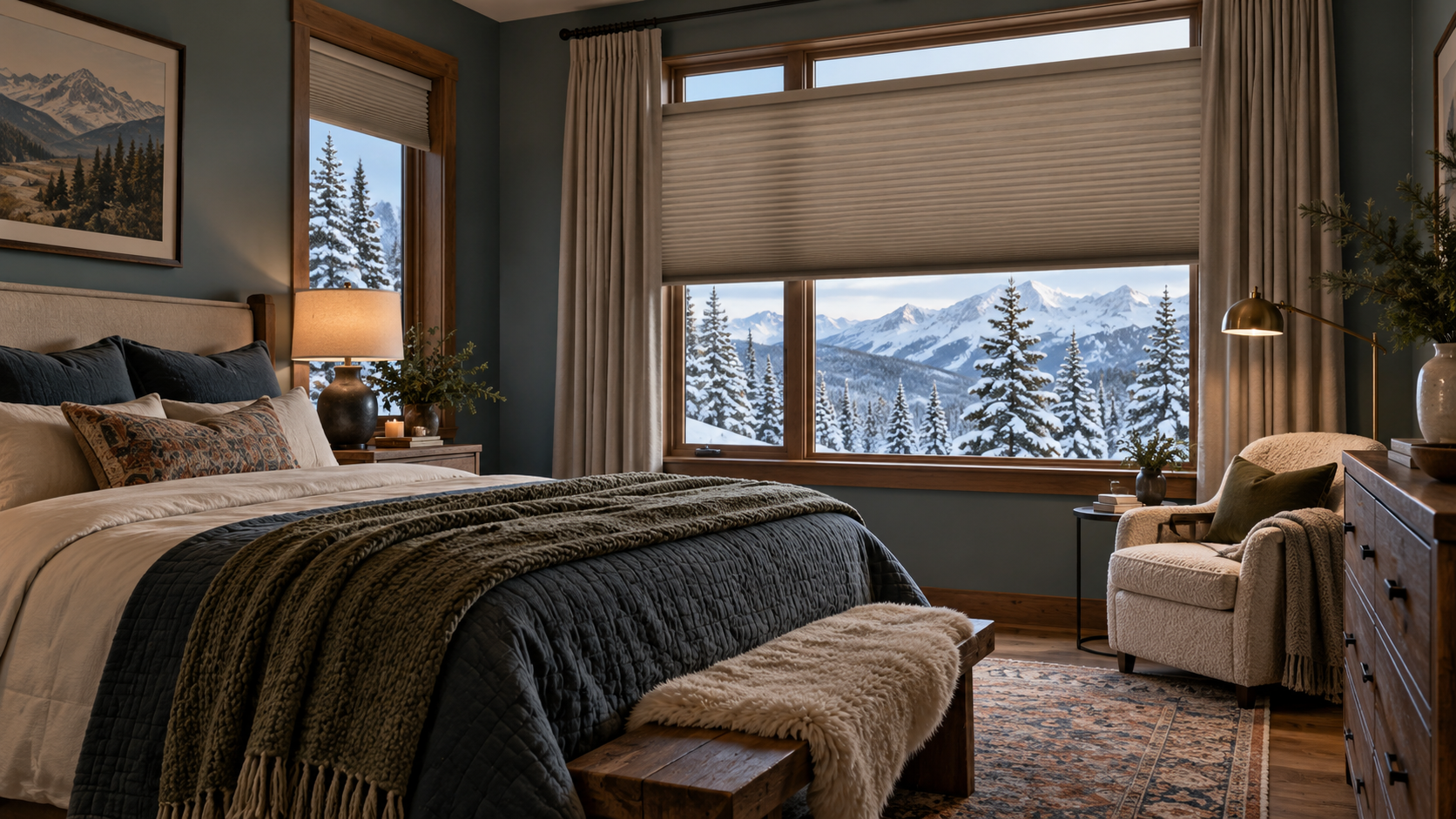
Yes. Layering window treatments can improve winter comfort by placing more than one barrier between the room and cold glass.
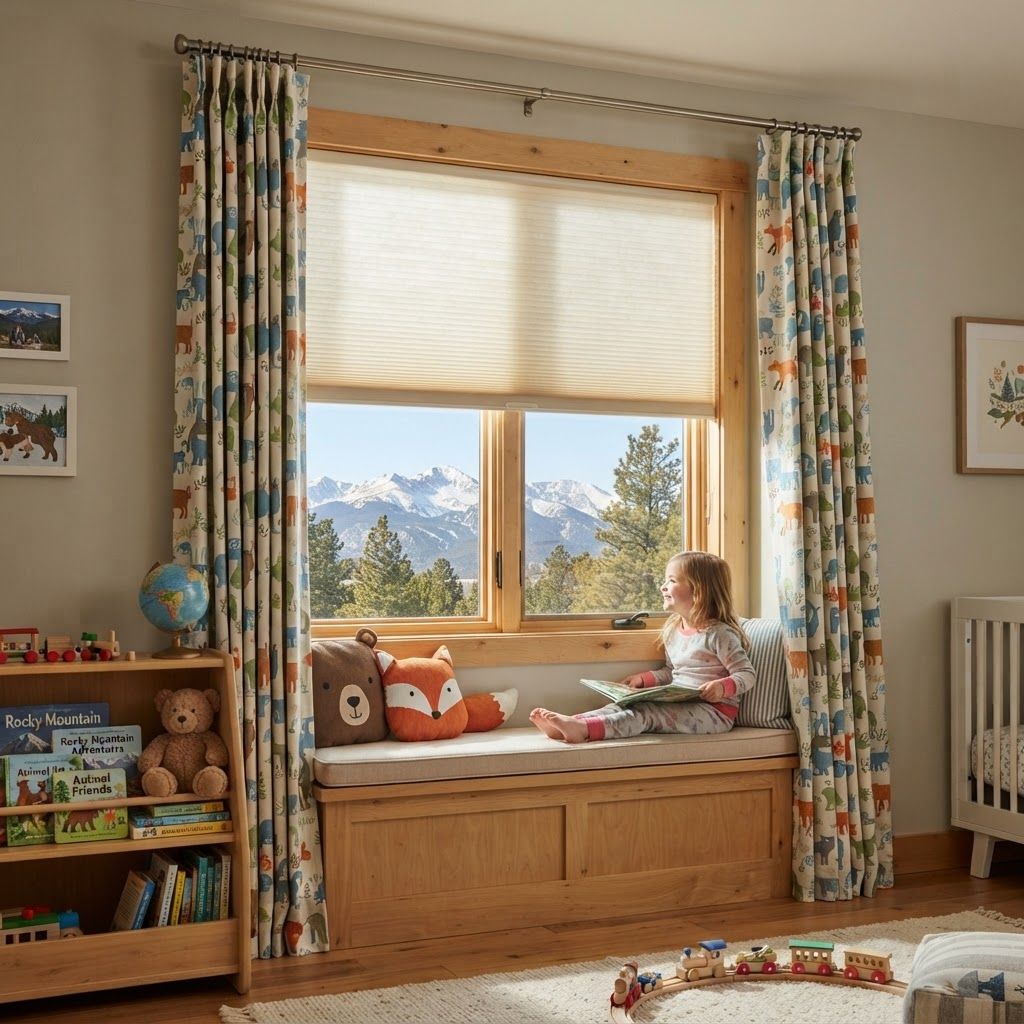
One effective combination is a cellular shade paired with drapery.
The cellular shade provides insulation directly at the window. Drapery adds another layer while bringing softness, color, and texture into the room.
Other combinations may include:
- Roman shades with drapery
- Shutters with side panels
- Roller shades with lined drapery
- Insulating shades with decorative curtains
Layering is particularly useful in bedrooms, living rooms, and rooms with large expanses of glass.
It also gives homeowners more flexibility as Colorado weather changes. During the day, you can open one or both layers for sunlight. At night, closing both can create a more comfortable space.
Can Motorized Shades Help With Winter Drafts?
Yes. Motorized shades can improve winter comfort by making it easier to close insulating window treatments consistently when temperatures drop.
Colorado winter days often provide useful sunshine. A south-facing room may benefit from leaving shades open while the sun is warming the space.
Once the sun goes down, the same windows can quickly become cold.
Motorized shades allow homeowners to adjust window treatments with a remote, app, or compatible smart home system. Some systems can also operate on schedules.
That can be useful for:
- Large windows
- Hard-to-reach windows
- Two-story rooms
- Multiple windows in one space
- Bedrooms
- Frequently used living areas
The key is using insulating treatments at the right times. A cellular shade cannot help reduce nighttime heat loss if it remains open.
Automation can make good winter window habits easier.

Make Drafty Rooms More Comfortable Before Winter
September is a good time to identify the rooms that felt cold or uncomfortable last winter. Addressing problem windows before temperatures fall can make the transition into colder weather much easier.
Love is Blinds Colorado can help you compare cellular shades, insulating window treatments, shutters, layered treatments, and motorized options for draft-prone rooms.
With professional measuring and installation, your window coverings can provide better insulation, privacy, light control, and comfort throughout the colder months.
Schedule an in-home consultation with Love is Blinds Colorado and find the right window treatments for the drafty areas in your home.
Frequently Asked Questions About Drafty Windows
Q: What are the best blinds for drafty windows?
A: Cellular shades are often one of the best choices because their honeycomb construction traps air near the glass. Interior shutters and layered window treatments can also improve comfort depending on the room and window.
Q: Do thermal shades keep cold air out?
A: Thermal and insulating shades can reduce heat transfer and the cold sensation near windows. They cannot seal an actual air leak, so gaps around the window may still need weatherstripping, caulking, or repair.
Q: Can curtains help with drafty windows?
A: Yes. Lined or insulated curtains can add another barrier between a room and cold glass. They can be even more effective when paired with an insulating shade.
Q: Why does my window feel drafty when it is closed?
A: Cold glass can cool nearby indoor air and cause it to move downward, creating a draft-like sensation. An actual air leak around the frame can cause similar symptoms, so it is important to determine which problem you have.
Q: Are cellular shades good for Colorado winters?
A: Yes. Cellular shades are well suited to Colorado winters because their honeycomb construction adds insulation at the window. They can also provide privacy, light control, and year-round energy-efficiency benefits.