Cellular Shades vs Shutters for Colorado Homes
Love Is Blinds
Cellular Shades vs. Shutters: Which Insulates Colorado Homes Better?
Cellular shades and interior shutters can both make Colorado homes more comfortable in winter, but they work in different ways. If insulation is the main priority, cellular shades usually have the advantage because their honeycomb construction traps air near the window.
Shutters offer a different set of strengths. Their solid panels create a substantial barrier at the window while providing excellent light control, privacy, durability, and architectural style.
For Colorado Springs' homeowners preparing for colder weather in September, the best choice depends on more than insulation alone. How you use the room, the size of the windows, your design preferences, and your need for privacy all matter.

Are Cellular Shades or Interior Shutters Better for Insulation?
Cellular shades are generally the better choice when maximum window insulation is the main goal, while shutters offer a strong balance of comfort, durability, light control, and long-term style.
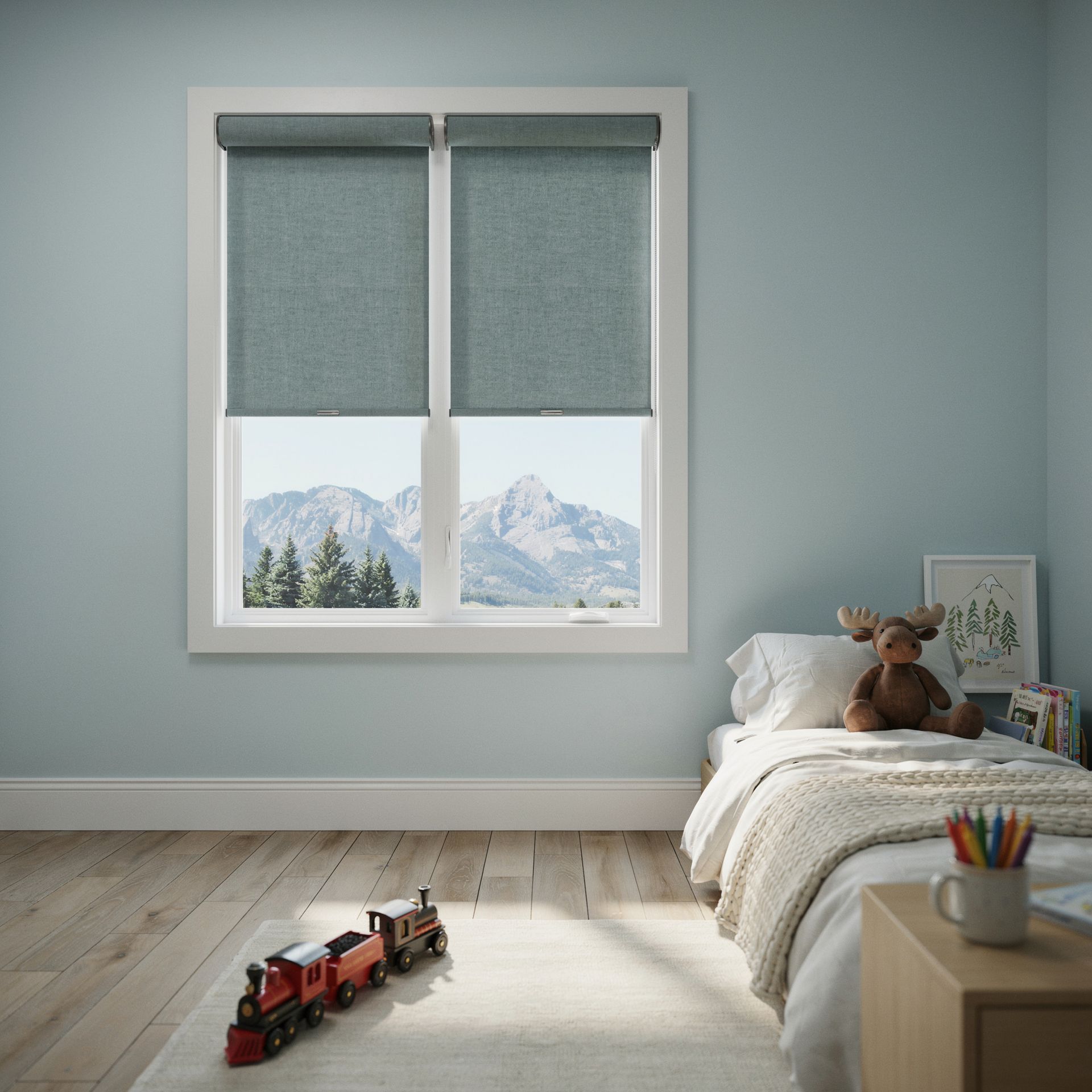
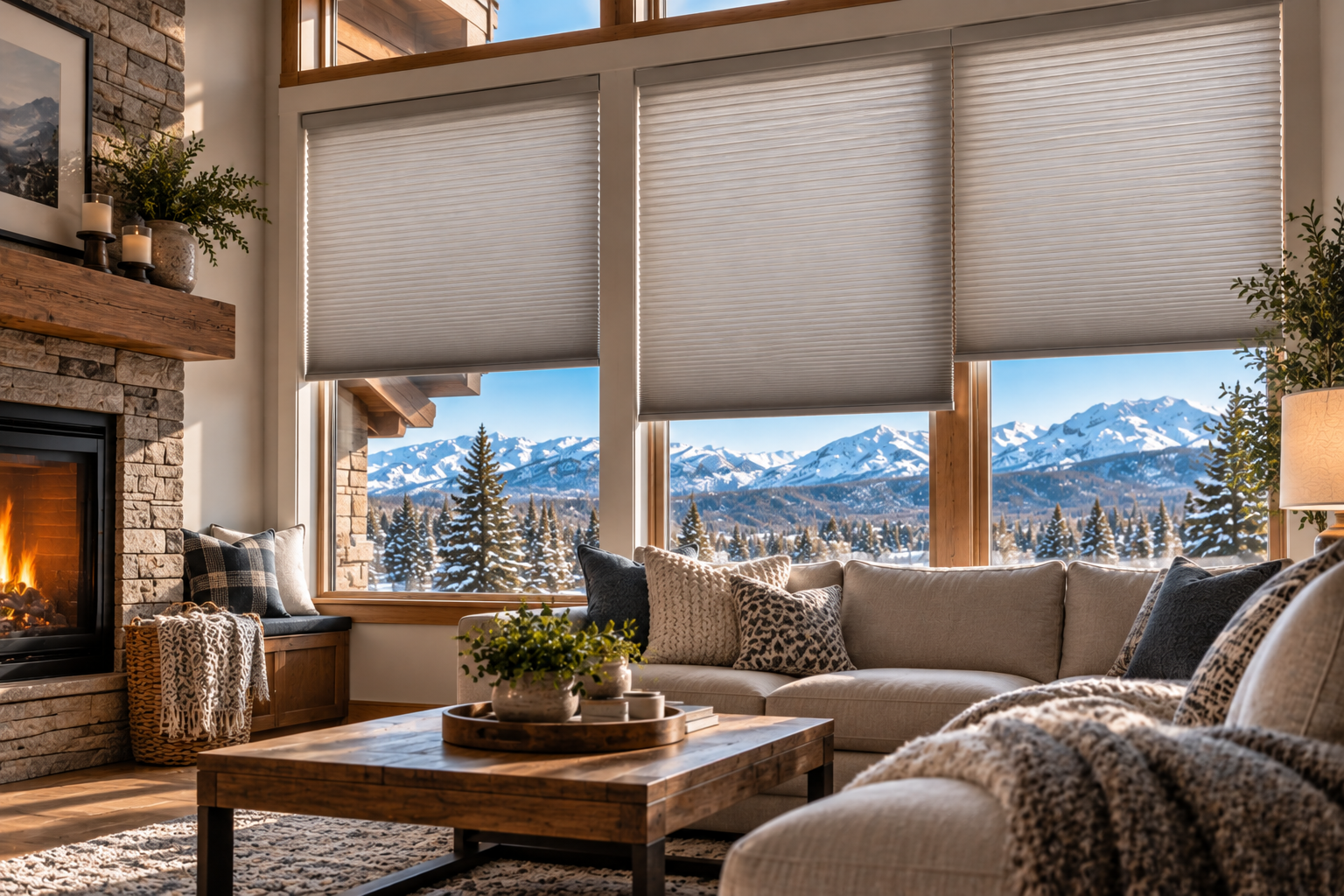
Cellular shades use fabric formed into honeycomb-shaped pockets. These cells trap air between the room and the glass, helping slow heat transfer through the window.
The U.S. Department of Energy identifies well-fitted cellular shades as an effective insulating window attachment. Their trapped air pockets can reduce nighttime heat loss and help minimize the feeling of cold air near windows.
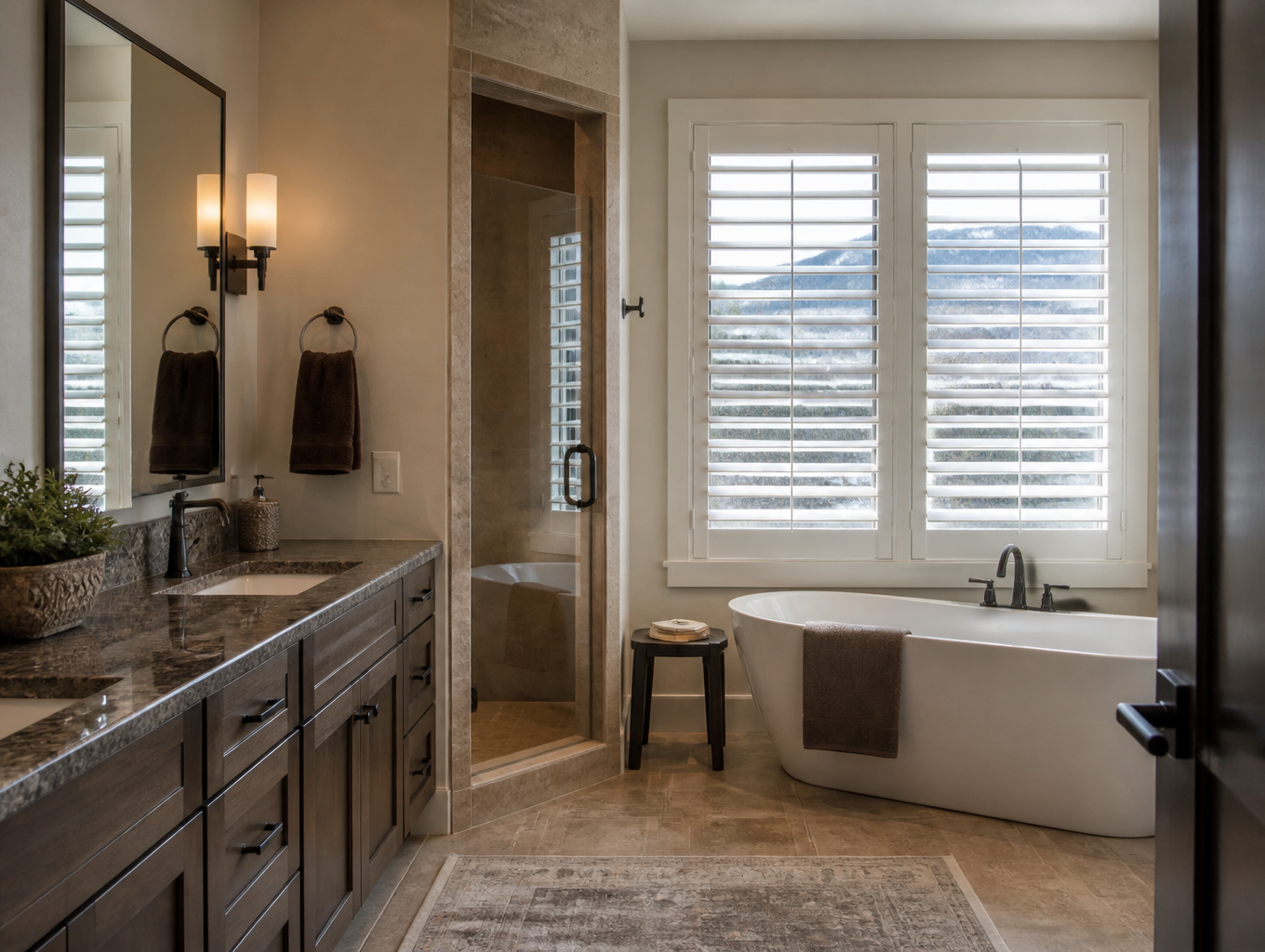
Interior shutters work differently. Their solid panels and adjustable louvers create another physical layer between the room and the window. When closed, they can reduce direct exposure to cold glass while also providing privacy and adjustable light control.
For insulation alone, cellular shades usually come out ahead. For homeowners who want insulation plus a permanent architectural feature, shutters may be the better overall fit.
How Do Cellular Shades Keep Colorado Homes Warmer?
Cellular shades help keep homes warmer by trapping insulating air inside their honeycomb-shaped cells and between the shade and the window.
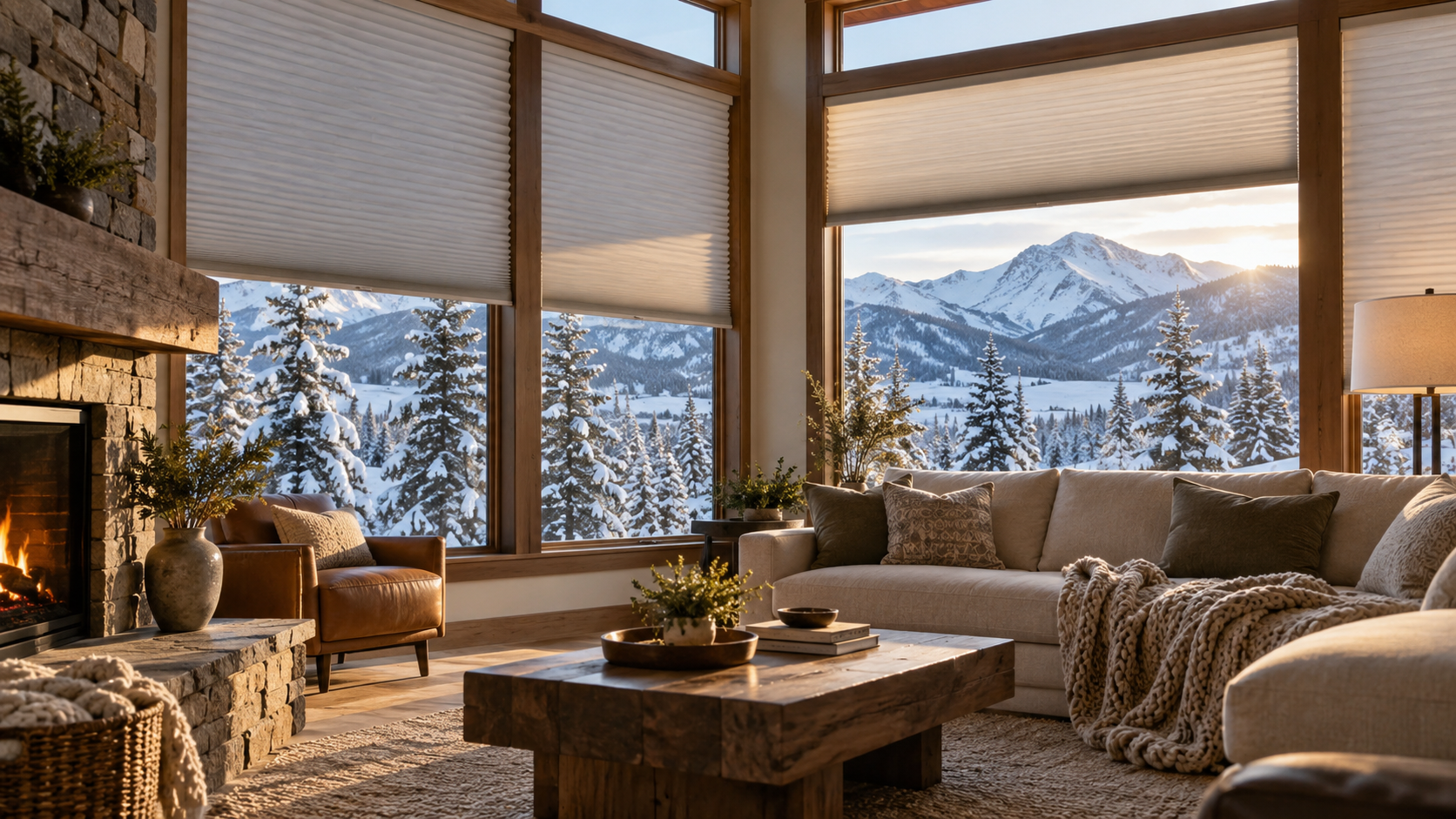
This design is particularly useful during Colorado winters. Outdoor temperatures can fall quickly after sunset, making large areas of glass feel noticeably colder than the rest of the room.
Cellular shades can help by:
- Adding an insulating layer at the window
- Reducing heat transfer through the glass
- Limiting the cold sensation near windows
- Providing nighttime privacy
- Controlling natural light
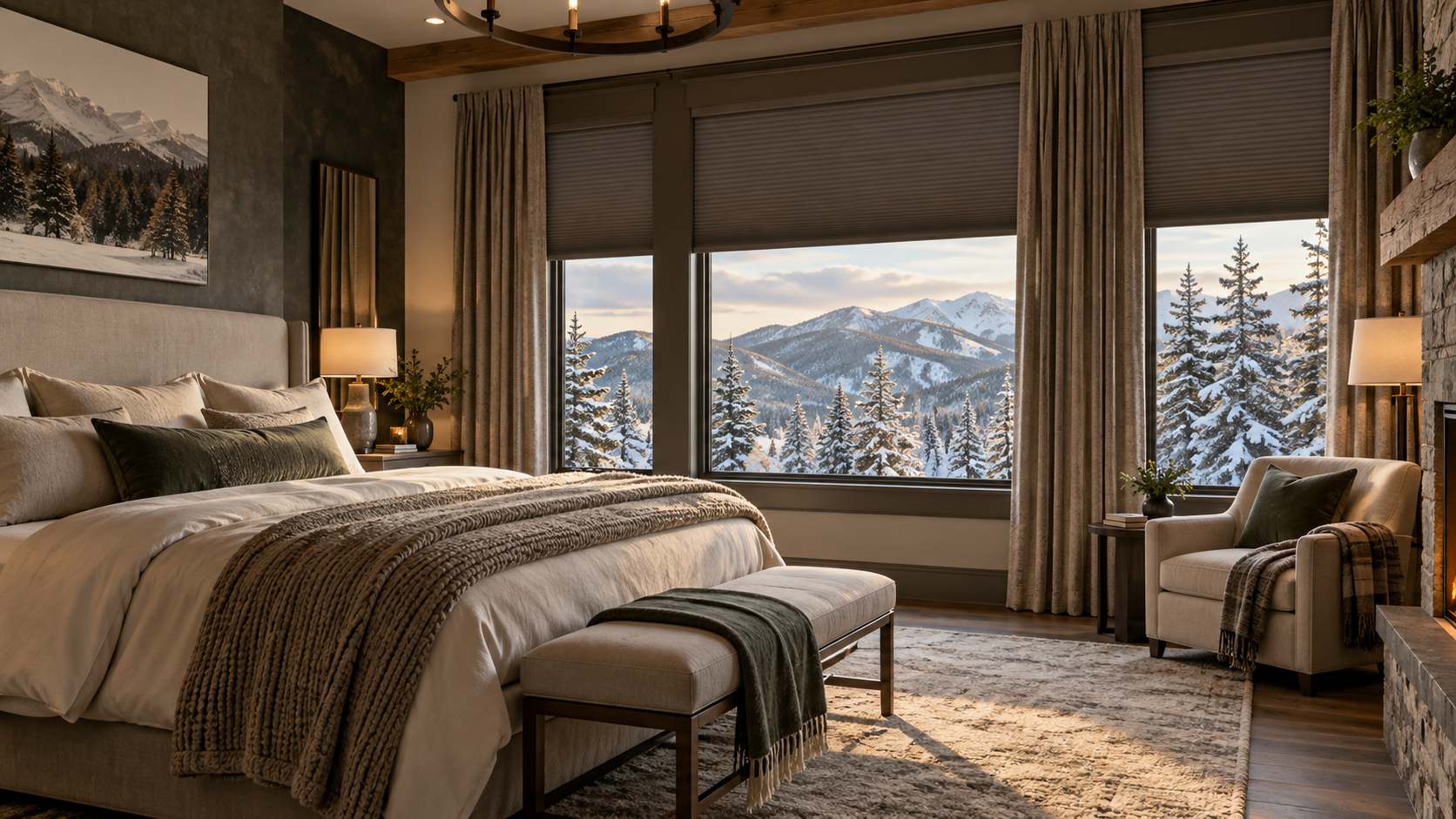
- Offering room-darkening options for bedrooms
Different cellular designs may include single, double, or other cell configurations. Fabric, construction, and fit all affect the final performance.
A custom fit is especially important. Gaps around the edges allow greater air movement and reduce the insulating effect.
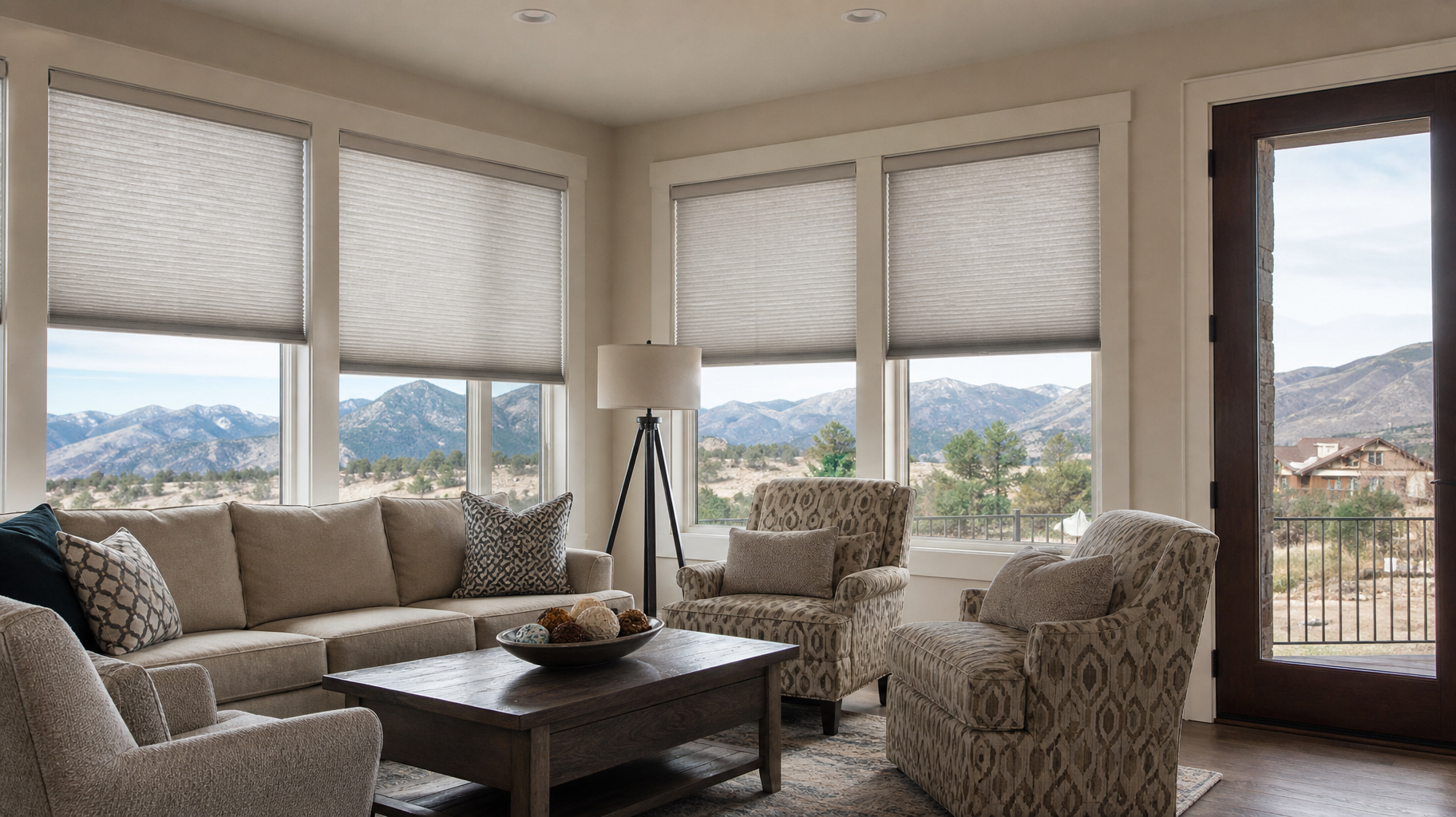
Cellular shades are also versatile from a design standpoint. They have a clean profile that works well in contemporary, traditional, and mountain-modern Colorado homes.

Do Interior Shutters Help Insulate Windows in Winter?
Yes. Interior shutters can improve comfort around cold windows by creating a solid barrier between the room and the glass.
Unlike fabric shades, shutters become a more permanent part of the window. Their fitted frames and solid panels can help reduce the direct effect of cold glass when the shutters are closed.
Shutters also provide benefits beyond winter insulation:
- Adjustable light control
- Excellent privacy
- Long-term durability
- Easy cleaning
- Strong architectural character
- Year-round operation
Their adjustable louvers are particularly useful during sunny Colorado winters.
During the day, homeowners can open the louvers to allow natural light and solar warmth into the room. At night, the shutters can close to create another layer at the window.
That flexibility makes shutters an appealing option for living rooms, dining rooms, kitchens, and other spaces where both appearance and daily light control matter.
If the main goal is maximum insulation, cellular shades may still offer better thermal performance. If the goal is a combination of comfort, durability, privacy, and timeless design, shutters deserve serious consideration.
Love is Blinds Colorado can help you compare cellular shades and shutters inside your own home. Seeing both options at the actual window makes it easier to consider sunlight, privacy, décor, window depth, and winter comfort together.

Which Window Treatment Is Better for
Large Colorado Windows?
The best choice for large windows depends on whether insulation, view, operation, or architectural style matters most.
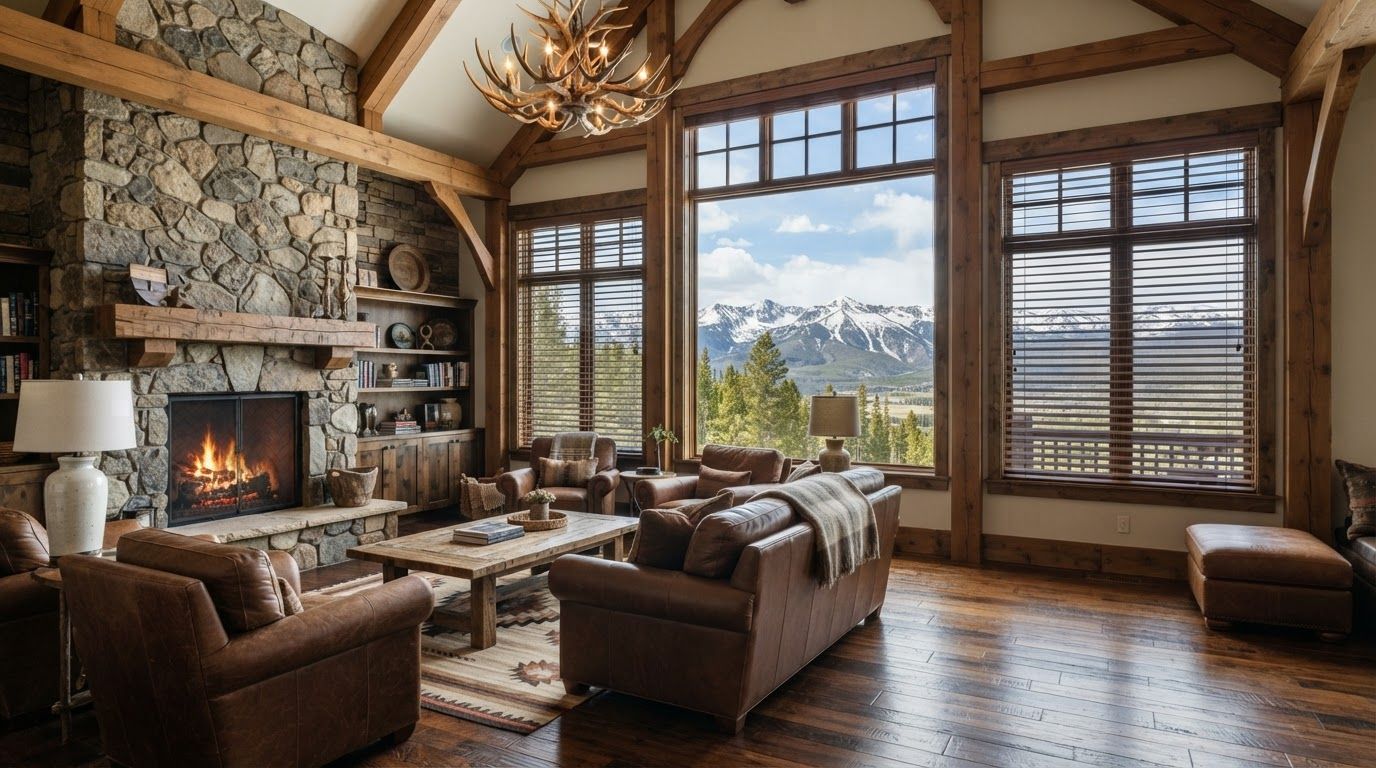
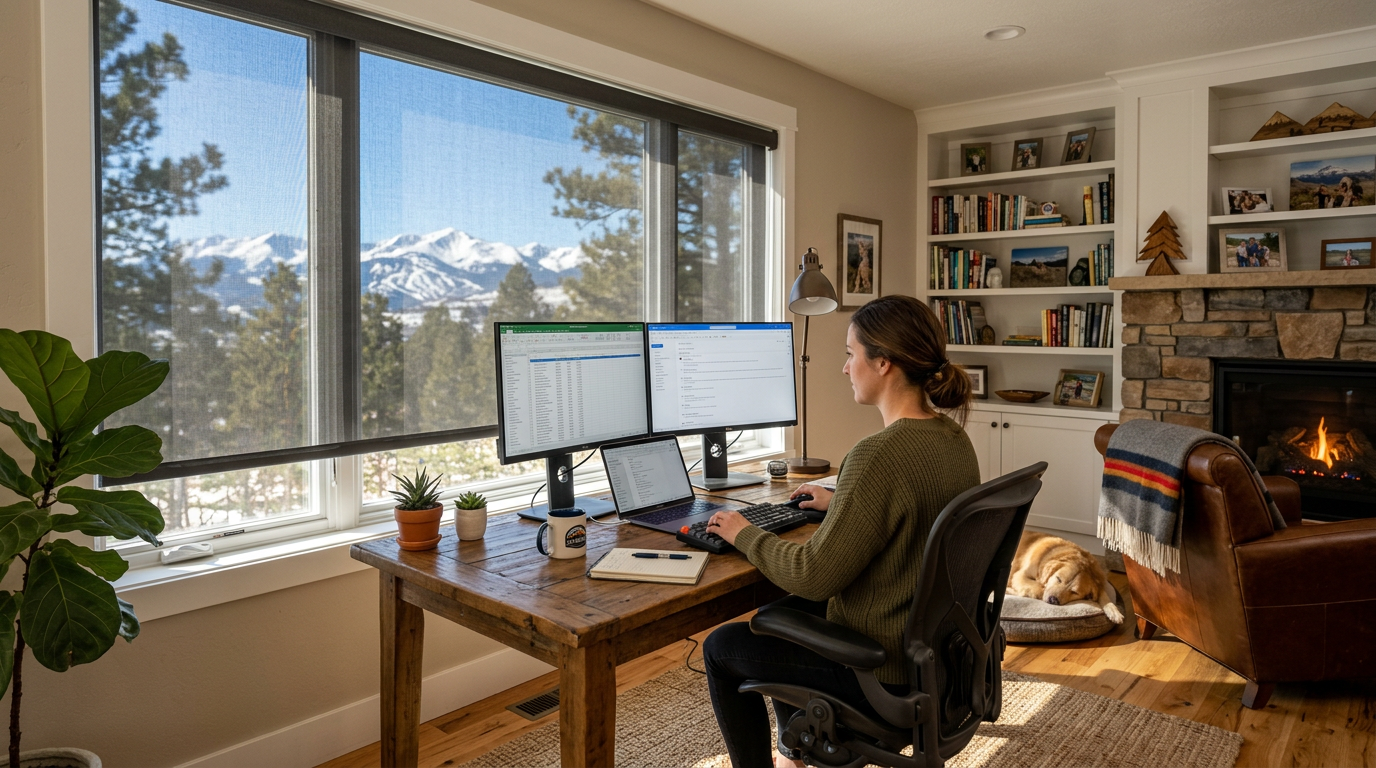
Large windows are common in Colorado homes designed around mountain, foothill, or Front Range views. Those windows can provide beautiful natural light, but they also create more glass area where heat transfer can occur.
Cellular shades offer a clean solution that can disappear upward when homeowners want an unobstructed view. They can also be motorized for easier operation on tall or frequently used windows.
Shutters create a stronger visual presence. They frame the window and become part of the architecture even when the louvers are open.
Consider these priorities:
Choose Cellular Shades If You Want:
- Strong insulating performance
- A minimal visual profile
- Room-darkening options
- Motorized operation
- A treatment that retracts away from the view
Choose Shutters If You Want:
- A permanent architectural look
- Precise directional light control
- Excellent privacy
- Durable, easy-to-clean surfaces
- A treatment that becomes part of the home's design
Neither option is automatically right for every large window. The window's dimensions, depth, location, and view should all be considered before making the final choice.

Find the Right Insulating Window Treatments for Your Colorado Home
Cellular shades and shutters can both improve the comfort and function of Colorado Springs' windows, but they solve the problem differently.
Choose cellular shades when insulation, a streamlined appearance, and flexible light control are top priorities. Consider shutters when you want a durable architectural treatment with excellent privacy and adjustable daylight.
You do not have to make the same choice for every room.
Love is Blinds Colorado can help you compare cellular shades, interior shutters, motorized options, and layered window coverings based on your home's windows and the way each room is used.
Schedule an in-home consultation with Love is Blinds Colorado and prepare your windows for the colder months ahead.
Frequently Asked Questions About
Cellular Shades vs. Shutters
Q: Are cellular shades more energy efficient than shutters?
A: Cellular shades generally have an advantage when insulation is the main goal because their honeycomb cells trap air near the window. Shutters still provide a solid additional layer and may be preferred when durability, light control, and architectural style are equally important.
Q: Do cellular shades really help keep a house warmer?
A: Yes. Cellular shades trap air within their honeycomb construction, which helps slow heat transfer through windows. A well-fitted cellular shade can also reduce the cold sensation homeowners often notice near glass during winter.
Q: Are plantation shutters energy efficient?
A: Interior plantation shutters can support energy efficiency by adding another physical barrier at the window when closed. Their main advantages also include durability, privacy, adjustable sunlight, and long-term architectural appeal.
Q: Which is better for Colorado bedrooms, cellular shades or shutters?
A: Cellular shades are often the better choice when insulation and room darkening are priorities. Shutters can be an excellent option when homeowners place greater emphasis on durability, adjustable light, and a permanent finished look.
Q: Can cellular shades be motorized?
A: Yes. Many cellular shades are available with motorized operation. Motorization is especially convenient for large windows, hard-to-reach windows, and homeowners who want shades to open and close on a regular schedule.