Layered Window Treatments: The Best Combinations for Colorado Homes
Layered window treatments combine two complementary window coverings to give homeowners more control over light, privacy, comfort, and style. Popular combinations include Roman shades with drapery, roller shades with curtains, cellular shades with drapery, and blinds paired with fabric panels.
That flexibility is especially useful during late summer in Colorado. Strong afternoon sunlight may still be heating rooms in August, while cooler evenings are a reminder that fall is approaching.
A layered design lets you adjust your windows as the light and seasons change. It can also turn a basic window covering into a more complete part of your home's interior design.
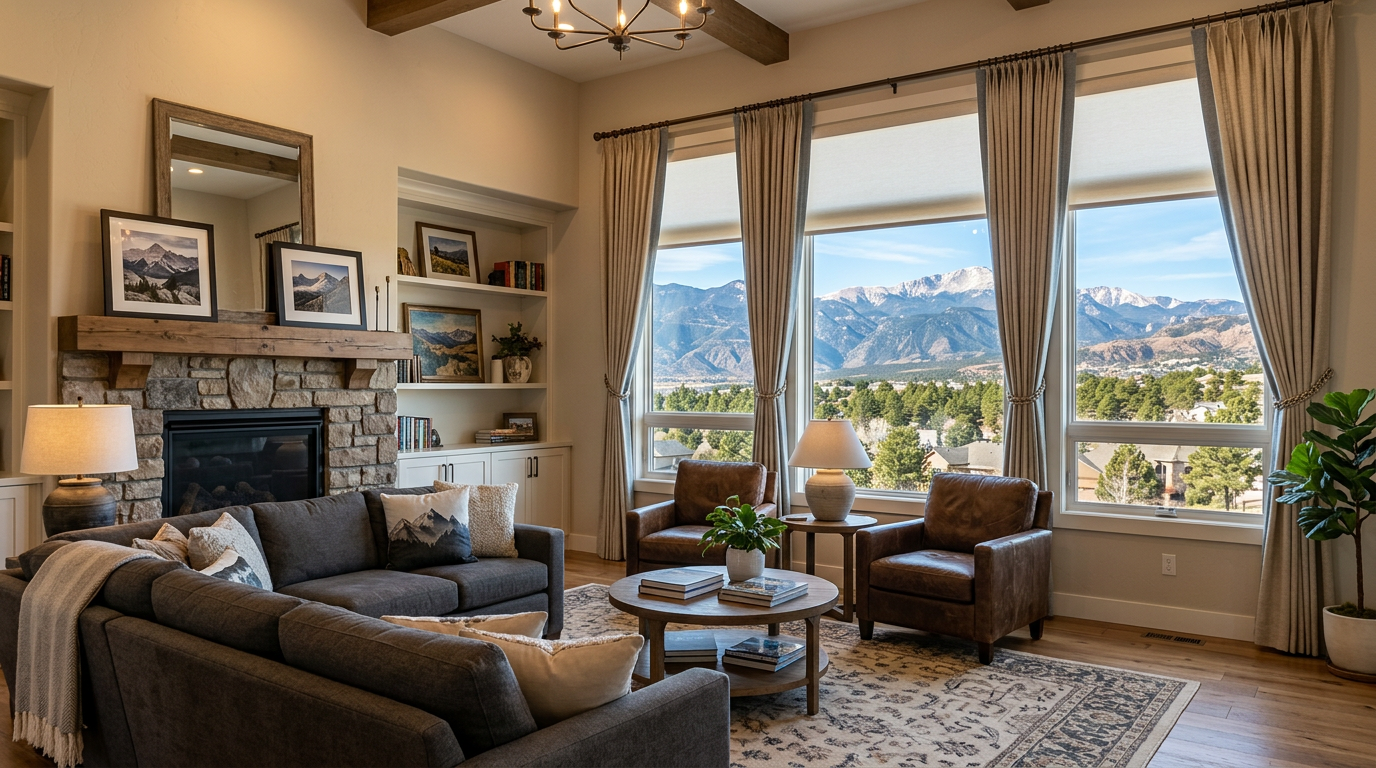
What Are Layered Window Treatments?
Layered window treatments use two different coverings on the same window so each layer can perform a different function.
One treatment usually provides the main light and privacy control. The second layer may add softness, insulation, room darkening, color, or visual interest.
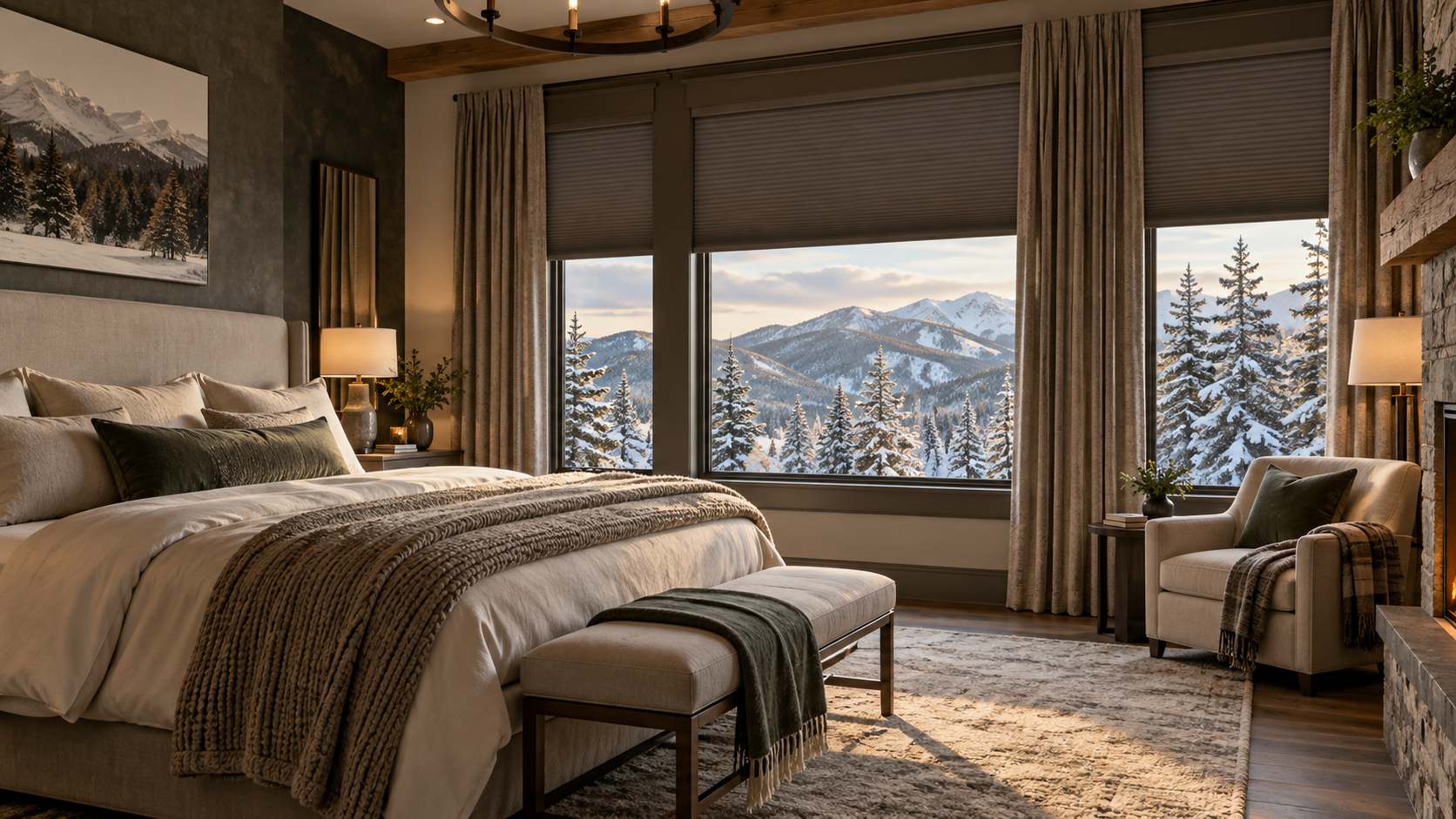
For example, a roller shade can control bright sunlight during the day. Drapery panels can then provide additional privacy and create a more finished appearance in the evening.
Layering window treatments can help homeowners manage:
- Natural light
- Privacy
- Glare
- Solar heat
- Insulation
- Room darkening
- Color and texture
- Interior design
The key is choosing treatments that complement each other instead of competing for attention.
Why Are Layered Window Treatments Good for
Colorado Homes?
Layered window treatments work well in Colorado Springs because they provide flexible control as sunlight, temperatures, and privacy needs change throughout the day and year.
Late summer is a good example. A west-facing living room may receive intense afternoon sun in August. A solar or roller shade can help manage that light while drapery adds another layer for evening privacy.
As fall approaches, that second layer can also make the room feel warmer and more inviting.
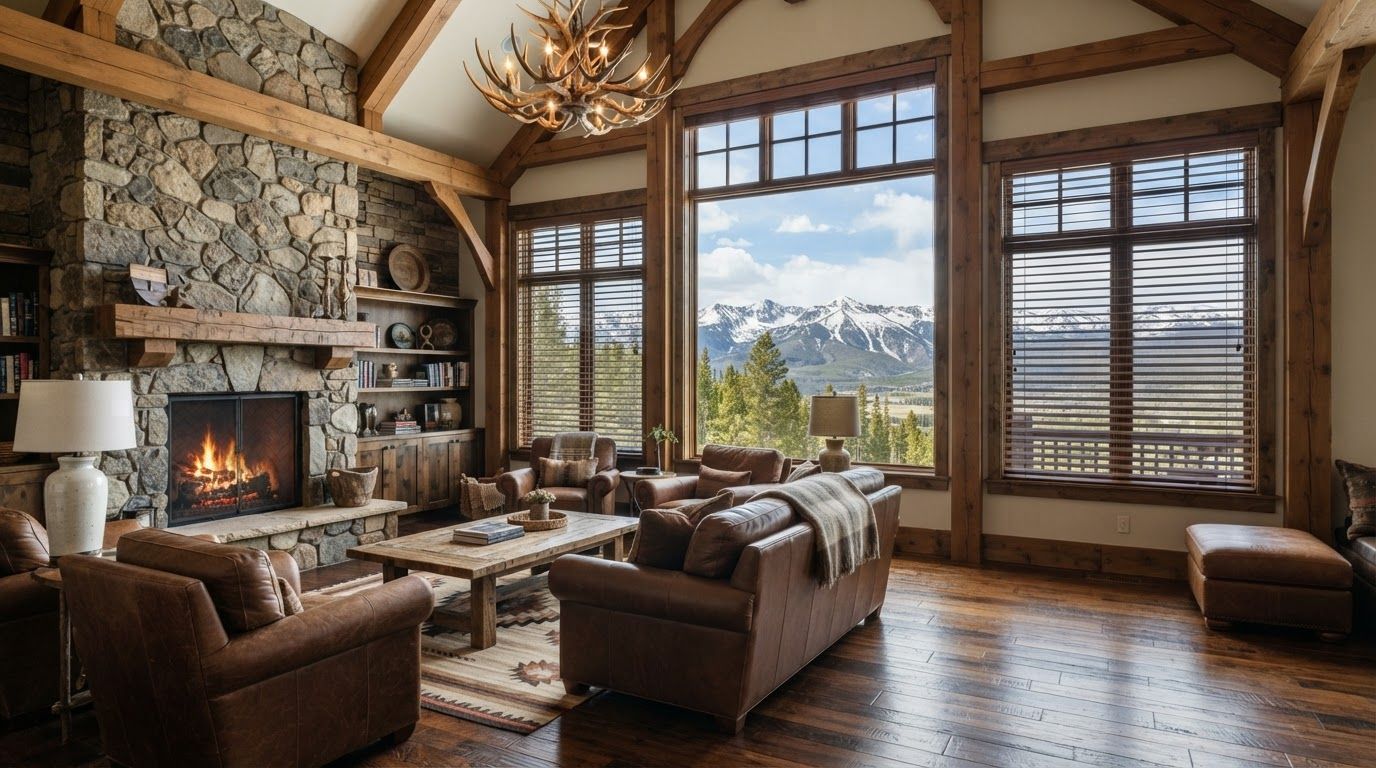
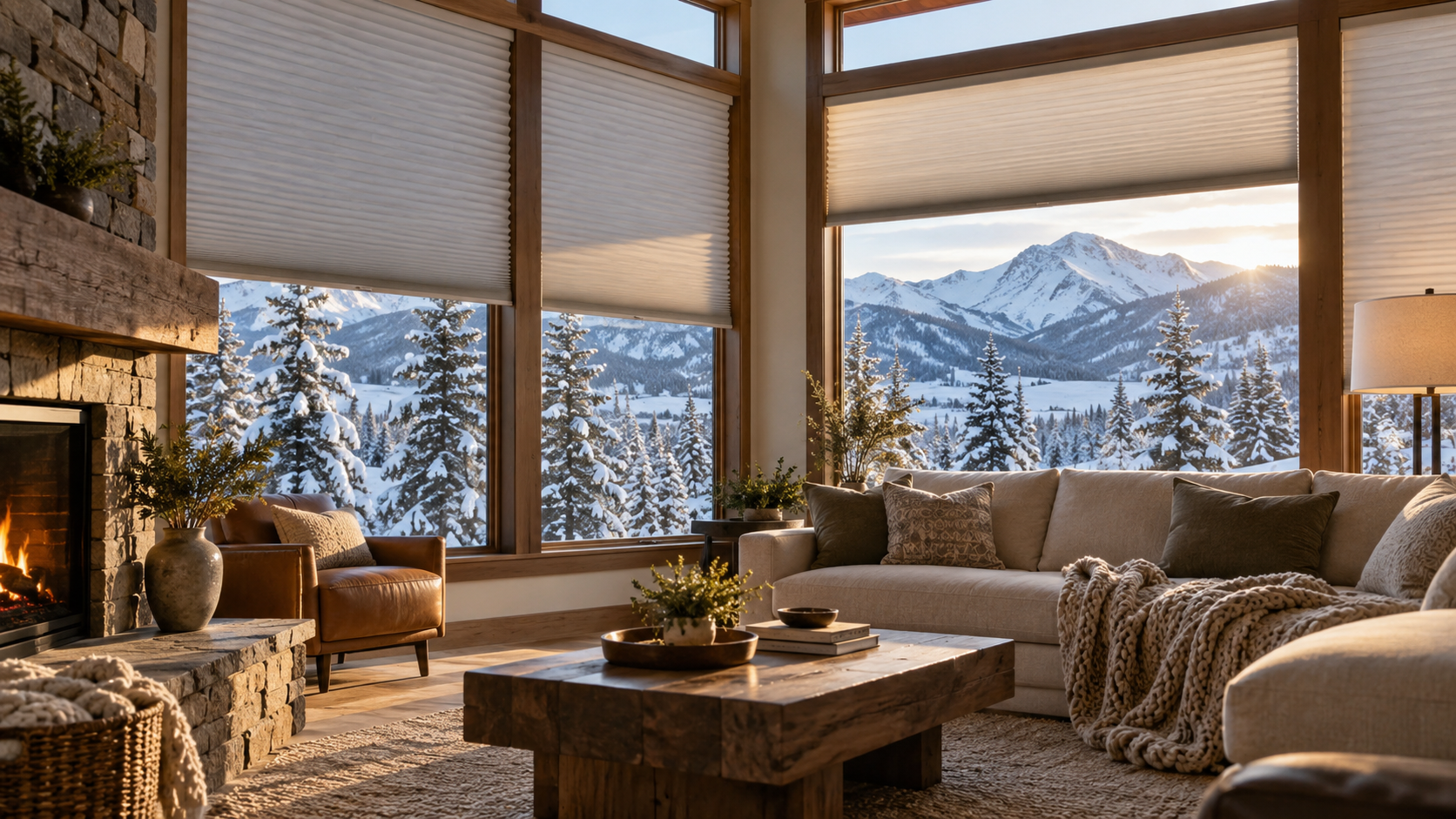
Colorado homes often feature large windows designed to take advantage of outdoor views. Layering allows homeowners to protect those views without giving up practical light control.
A functional shade can remain nearly invisible when raised. Decorative drapery can frame the window without covering the scenery.
Love is Blinds Colorado can help homeowners compare layered window treatments in their own rooms, where natural light, paint colors, flooring, furniture, and outdoor exposure can all affect the final choice.
What Are the Best
Layered Window Treatment Combinations?
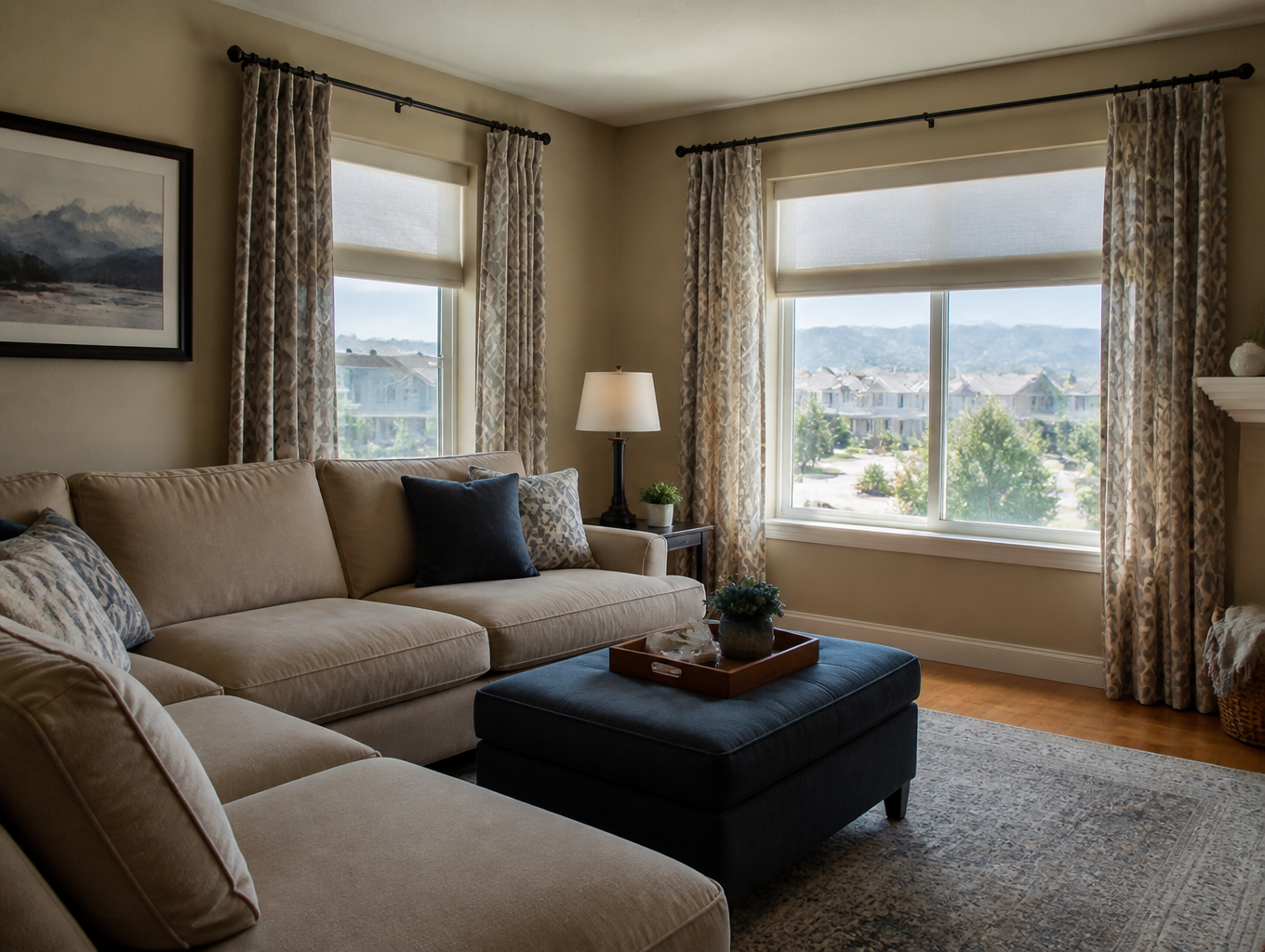
The best layered window treatment combinations pair a functional covering with a second treatment that adds either greater performance or decorative detail.
Roman Shades With Drapery
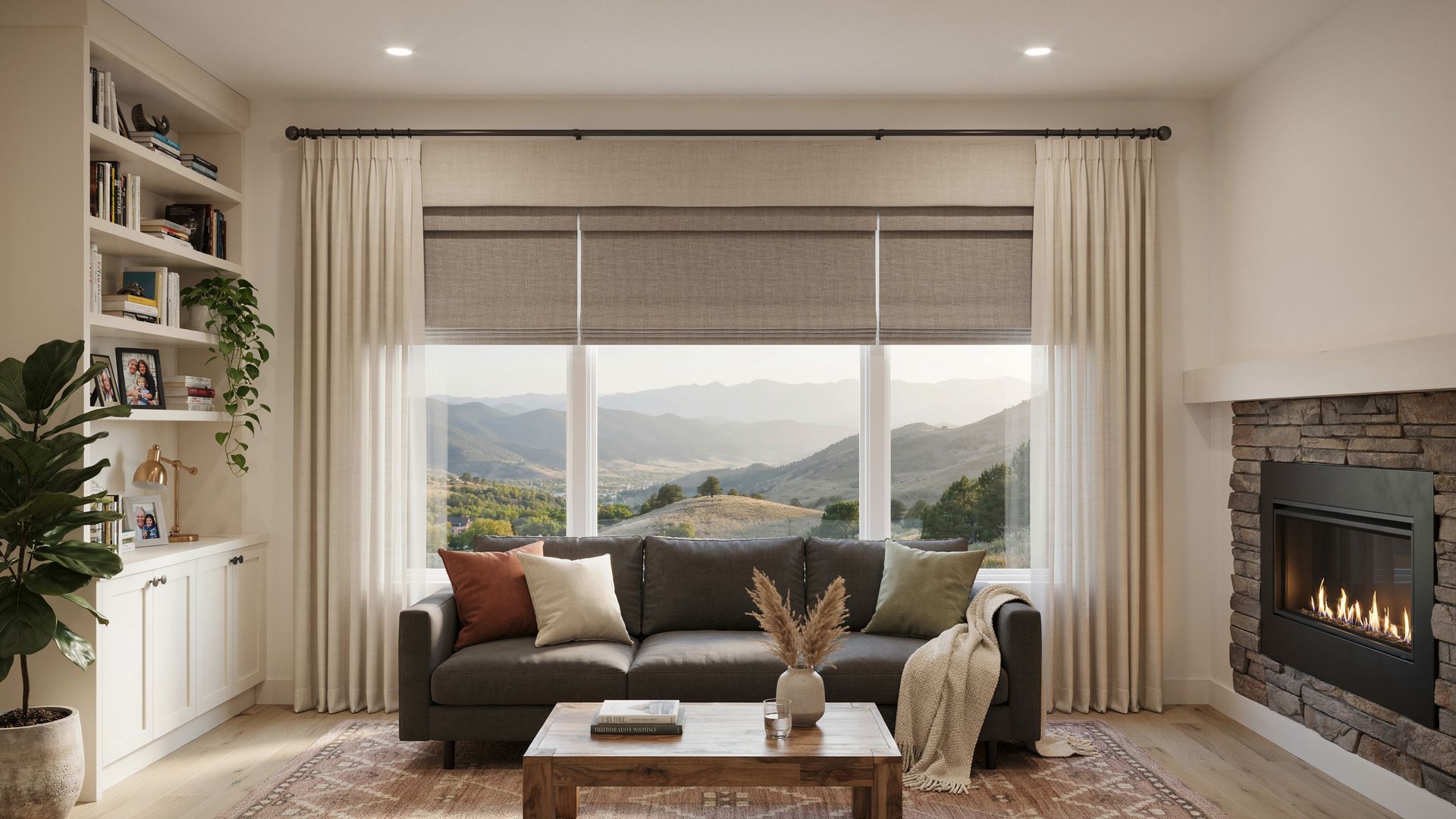
Roman shades with curtains or drapery create one of the most polished layered looks.
Roman shades bring fabric directly into the window opening while maintaining a clean shape when raised. Drapery adds fullness, movement, and another opportunity to introduce color or texture.
Roller Shades With Drapery
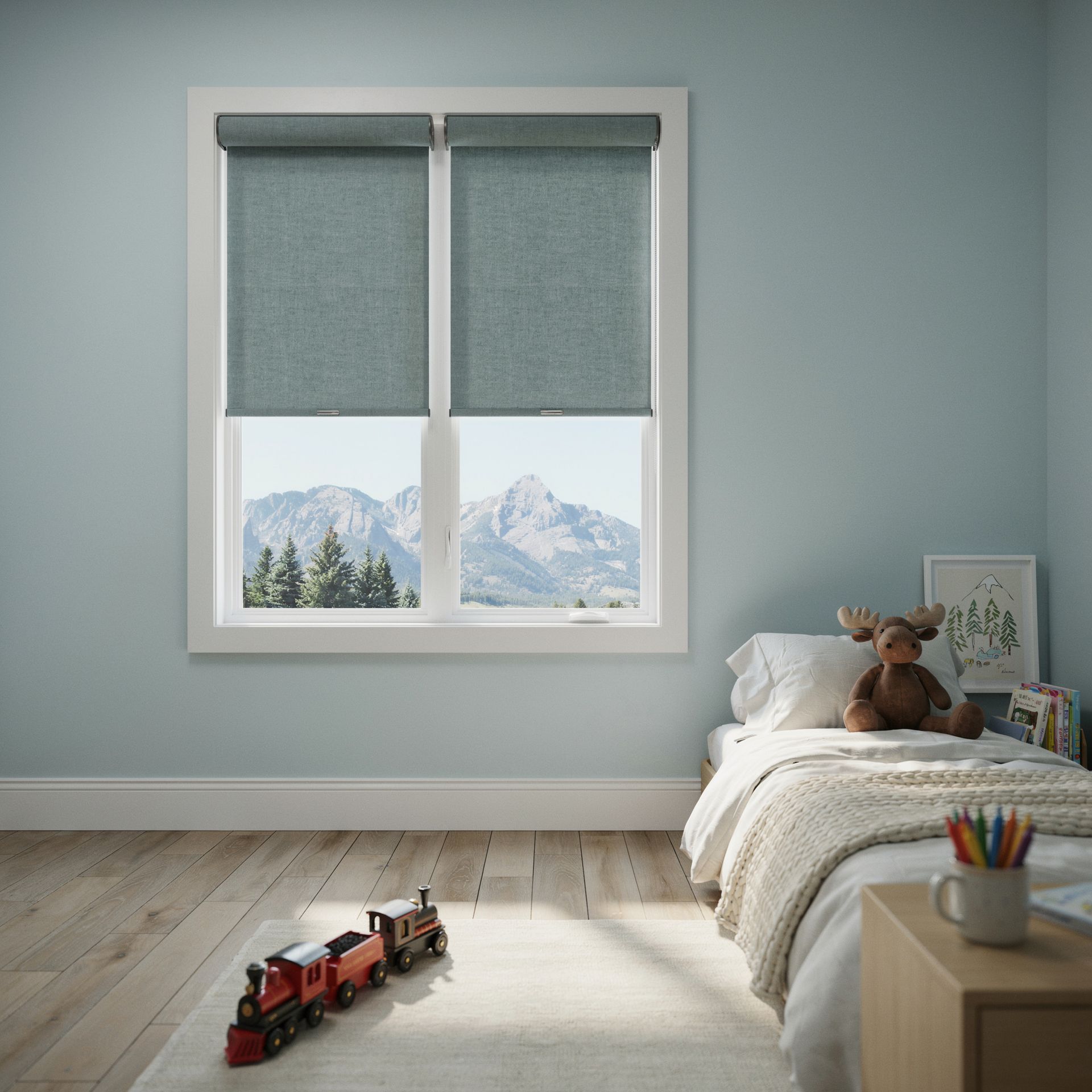
Roller shades (roller blinds) with curtains provide a clean balance of modern function and softer interior design.
Roller shades can handle everyday light control without adding visual bulk around the window. Drapery panels then frame the space and provide additional privacy when needed.
Solar roller shades are another strong choice for Colorado rooms with intense sunlight. They can filter glare during the day while allowing varying degrees of outdoor visibility.
Cellular Shades With Drapery
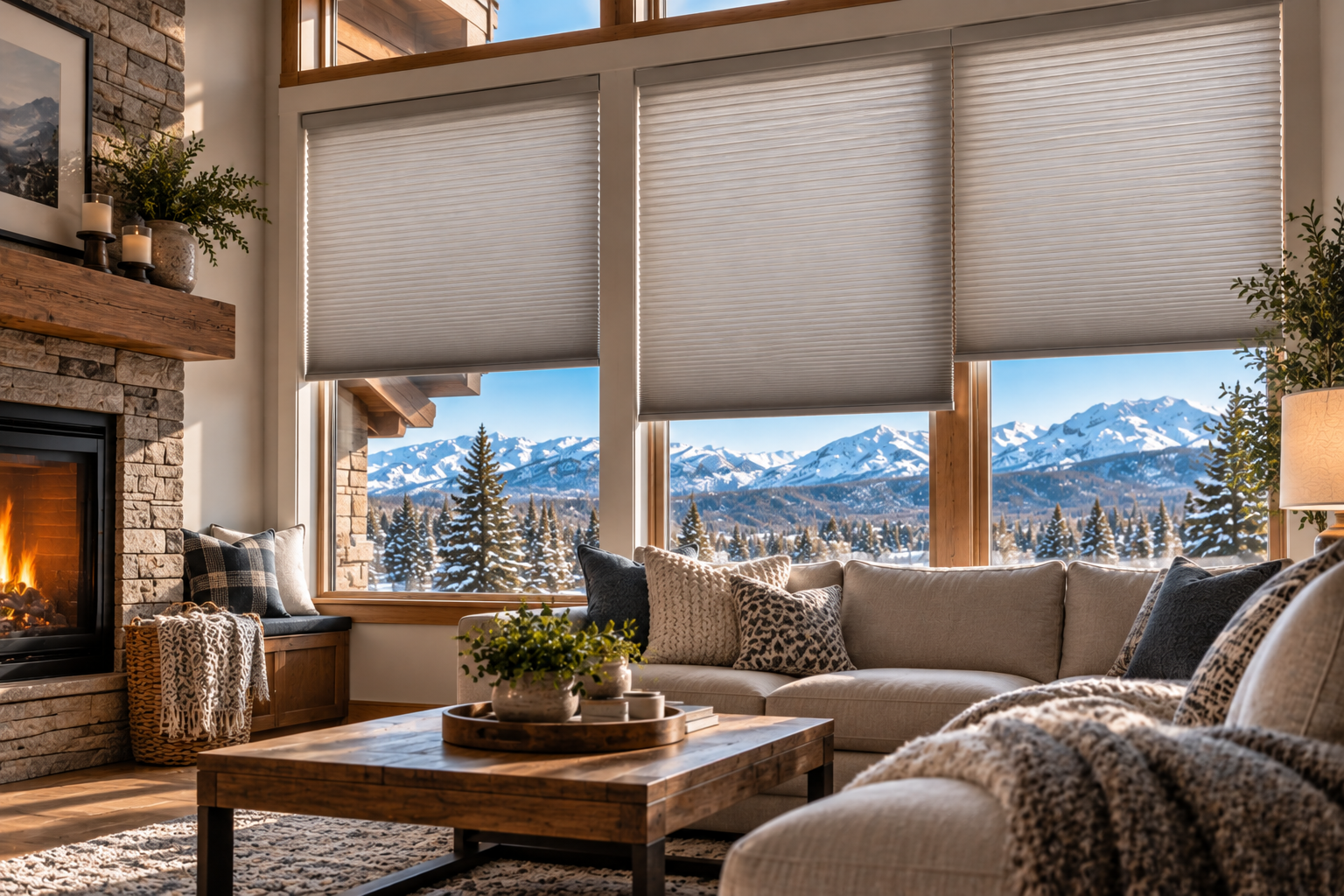
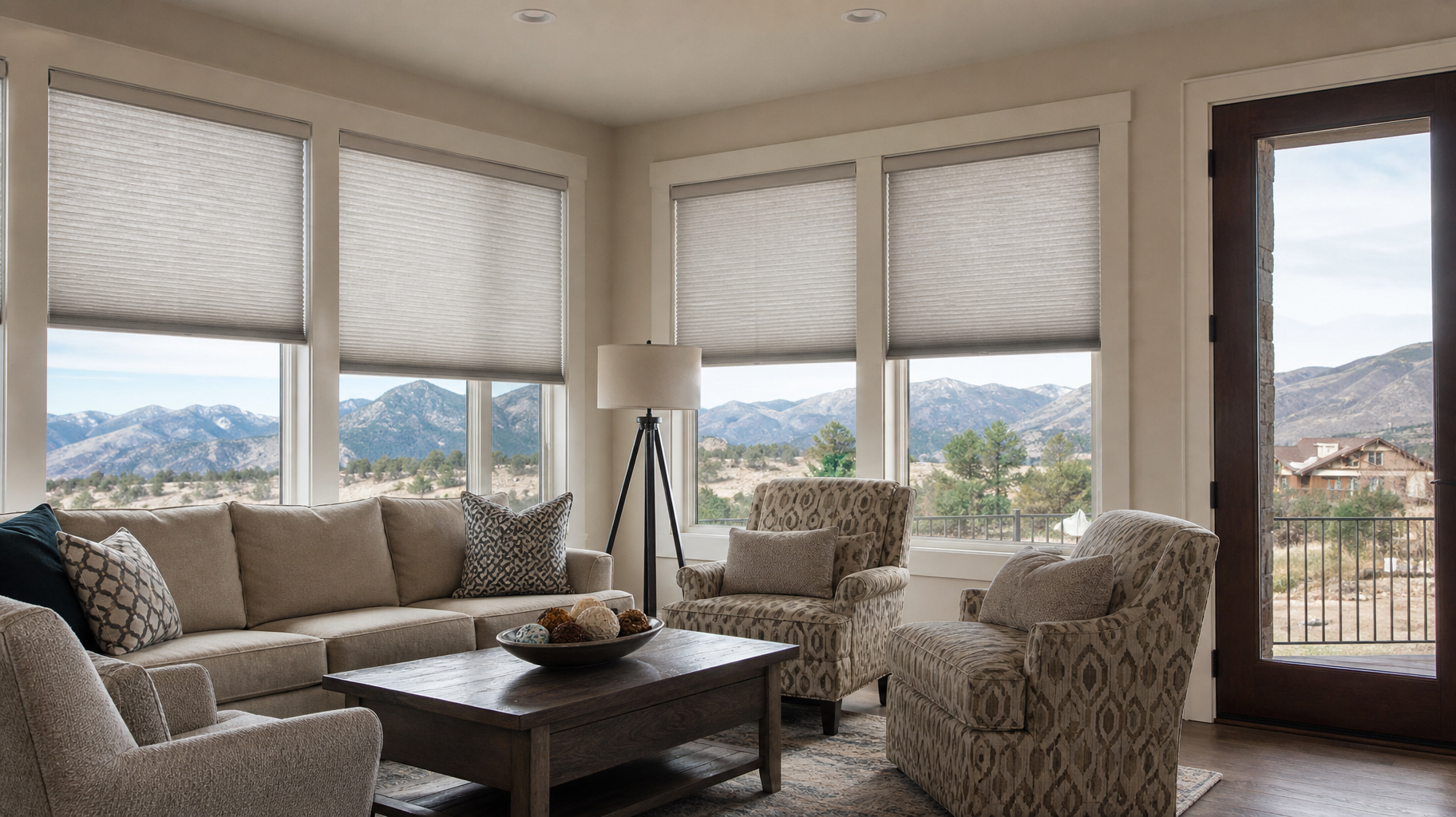
Cellular shades with curtains combine insulation with decorative softness.
Cellular shades have a honeycomb-shaped structure that traps air within the shade. This design adds an insulating layer at the window and can help improve year-round comfort.
During late summer, cellular shades can help manage heat at sunny windows. As colder Colorado weather arrives, the same shades provide another layer between the room and the glass.
Drapery can add even more warmth visually while completing the room's design.
Blinds With Drapery
Blinds and curtains offer excellent flexibility because the blind slats can redirect light while fabric panels soften the overall appearance.
Wood or wood-look blinds can create architectural structure. Drapery adds texture and allows the window to connect with furniture, rugs, bedding, and other fabrics in the room.
This combination can work well when homeowners like the precise light control of blinds but want a more finished interior design.
Do Layered Window Treatments Improve Light and
Privacy Control?
Yes. Layered window treatments can provide more flexible light and privacy control because each covering can be adjusted independently.
During the day, a light-filtering shade may provide privacy while still allowing natural light into the room. In the evening, drapery can close for greater coverage.
Layering is also useful when one room serves several purposes.
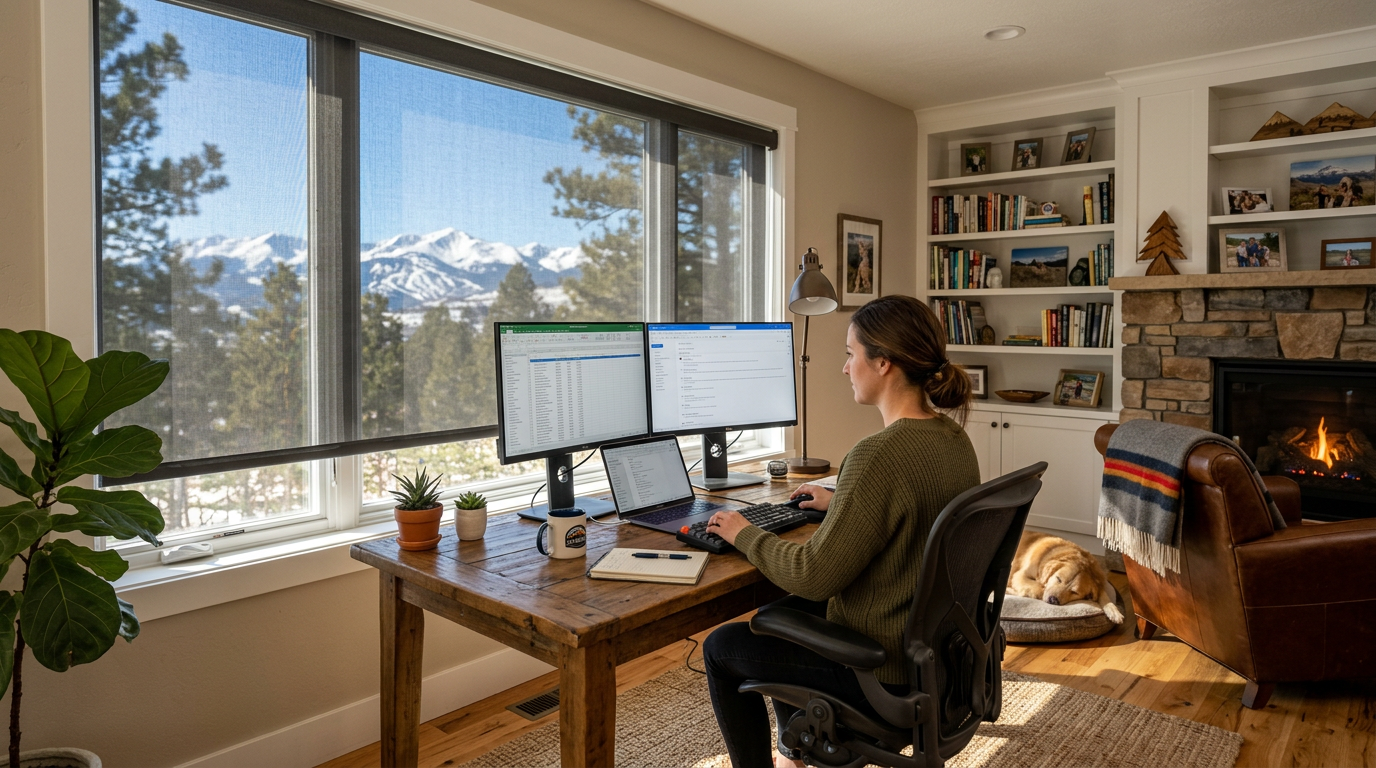
A home office may need filtered daylight during working hours but full privacy at night. A living room may need glare control during the afternoon but an open view in the morning.
Instead of choosing one window treatment to handle every situation, two layers provide more options.
Can Layered Window Treatments Improve
Energy Efficiency?
Yes. Some layered window treatments can add insulation and improve control over solar heat, although performance depends on the products, fabrics, fit, and how they are used.
A cellular shade can add insulation directly at the window. Drapery can provide another layer between the room and the glass.
Solar shades can help manage strong sunlight before it heats interior surfaces. Adding drapery allows homeowners to adjust the room further as outdoor temperatures change.
In August, homeowners may focus on blocking intense afternoon sun. A few months later, the same layered system can help create a warmer and more comfortable room during colder weather.
That makes layered window treatments a practical year-round solution for many Colorado homes.
Create a More Complete Look for Your Colorado Home
Layered window treatments do more than make a window look finished. They give you greater control over sunlight, privacy, comfort, and the way a room feels throughout the year.
As Colorado moves from bright late-summer afternoons toward cooler fall weather, layering can provide the flexibility needed for both seasons.
Love is Blinds Colorado can help you combine custom shades, blinds, and drapery into a window treatment designed specifically for your home. Professional measuring and installation help ensure each layer looks balanced and operates properly.
Schedule an in-home consultation with Love is Blinds Colorado to explore layered window treatments for your living room, bedroom, home office, or other spaces.
Frequently Asked Questions About
Layered Window Treatments
Q: What are layered window treatments?
A: Layered window treatments combine two window coverings, such as shades and drapery, on the same window. Each layer can provide a different benefit, including light control, privacy, insulation, room darkening, or decorative style.
Q: Can you put curtains over blinds?
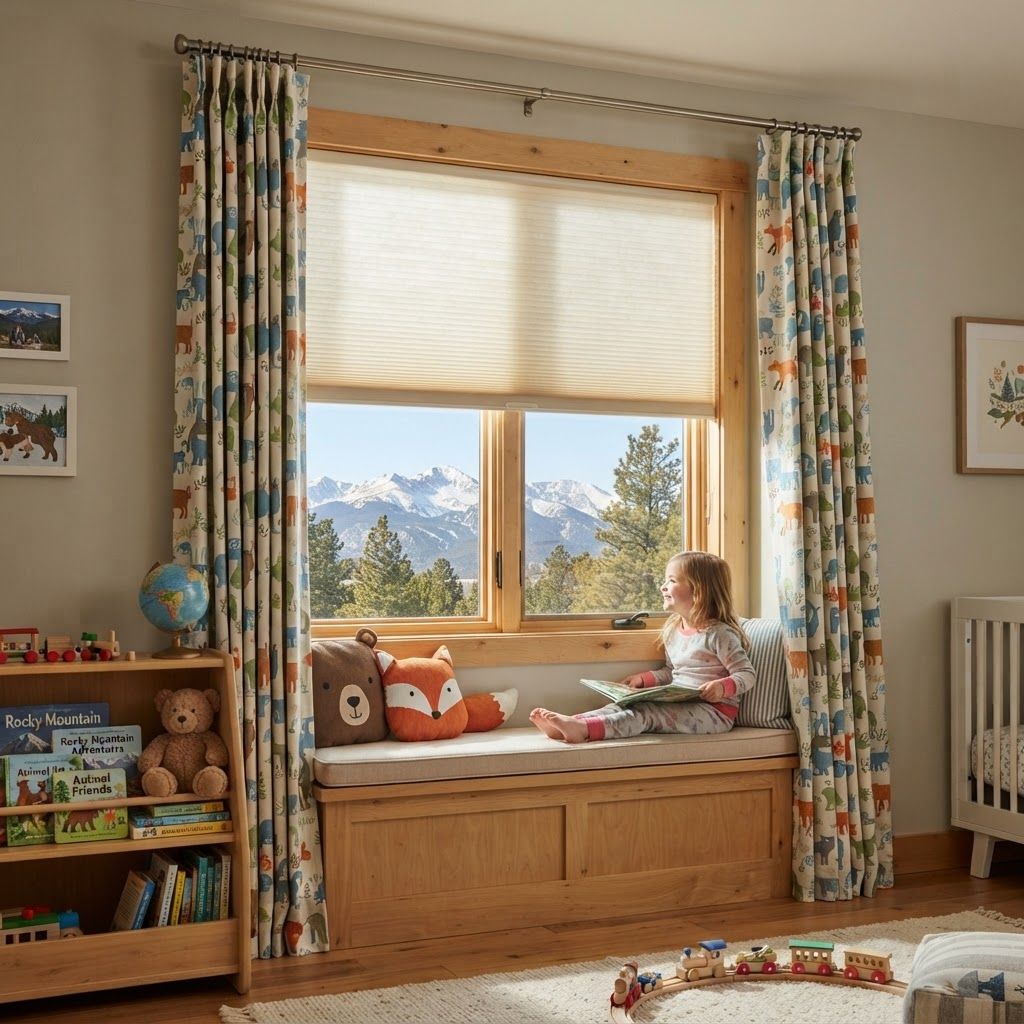
A: Yes. Curtains over blinds are a popular layered window treatment because blinds provide adjustable light control while curtains add softness, privacy, and style. Coordinating the colors and proportions helps the combination look intentional.
Q: Do Roman shades look good with Drapery?
A: Yes. Roman shades with drapery create a polished layered look that works well in bedrooms, dining rooms, and living spaces. Roman shades provide functional light control while curtains add fullness and decorative detail.
Q: Can you layer roller shades with curtains?
A: Yes. Roller shades with curtains are an excellent combination for homeowners who want clean light control with a softer finished appearance. Solar or light-filtering roller shades can manage daytime sunlight while drapery provides additional privacy and style.