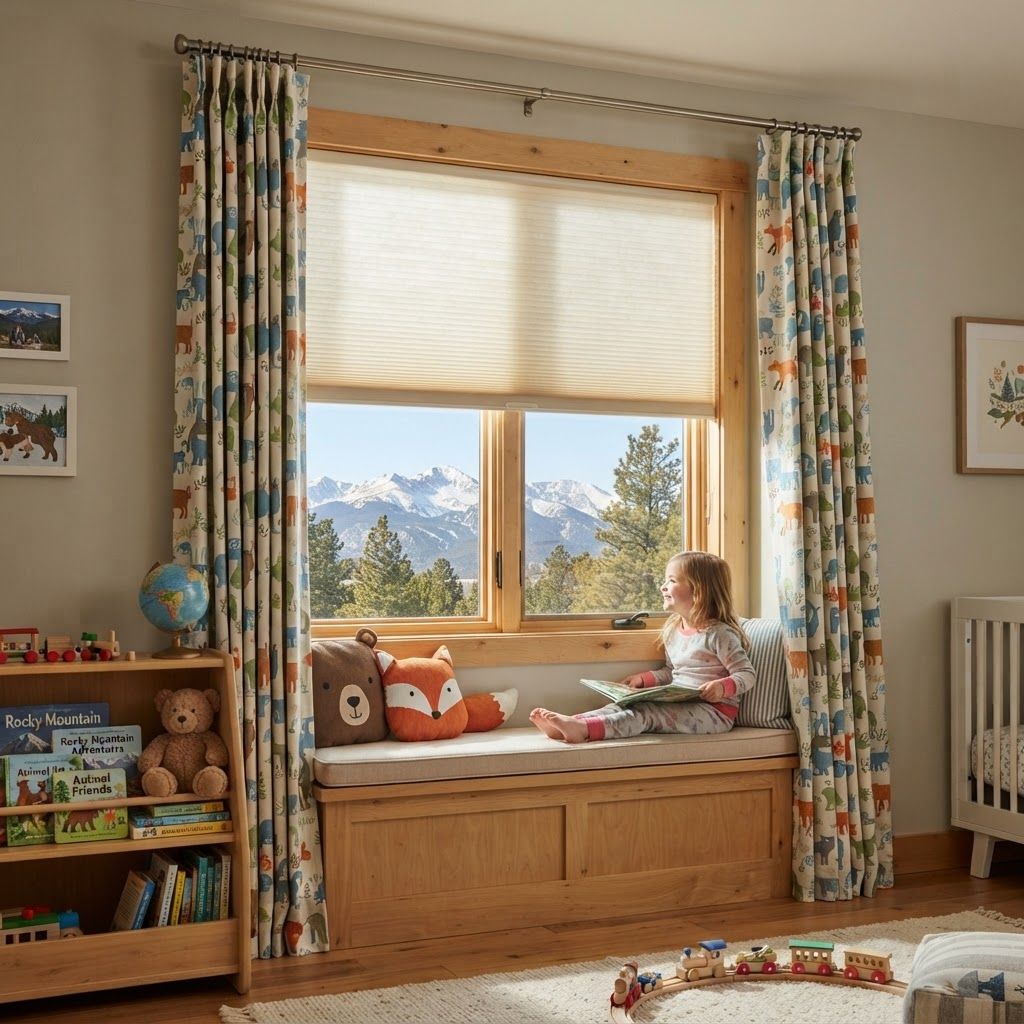
Faux Wood Blinds vs. Real Wood Blinds for Colorado
Love Is Blinds
Faux Wood Blinds vs. Real Wood Blinds: What Works Best in Colorado?
Faux wood blinds and real wood blinds offer a similar classic look, but they perform differently in Colorado homes. Real wood provides natural beauty and a lighter feel, while faux wood offers greater resistance to moisture and everyday wear.
Colorado’s dry climate can work well for real wood blinds, but room conditions still matter. Strong sunlight, large temperature changes, bathrooms, kitchens, and the size of the window can all influence which material makes the better choice.
For many homeowners, the decision comes down to appearance, durability, maintenance, and where the blinds will be installed.
What Is the Difference Between Faux Wood and
Real Wood Blinds?
Real wooden blinds are made from natural wood, while faux wood blinds are made from composite materials designed to create a similar appearance with greater resistance to moisture.
Both options provide adjustable light control and privacy. Their horizontal slats can tilt to direct sunlight, reduce visibility from outside, or open more fully for natural light.
The biggest differences involve:
- Material
- Weight
- Moisture resistance
- Natural grain
- Maintenance
- Cost
- Window size
- Long-term appearance
Real wood has natural variation in grain and color that manufactured materials cannot completely duplicate. Faux wood offers a more uniform finish and can be a practical choice in areas exposed to moisture or frequent use.
Are Real Wood Blinds Better Looking Than
Faux Wood Blinds?
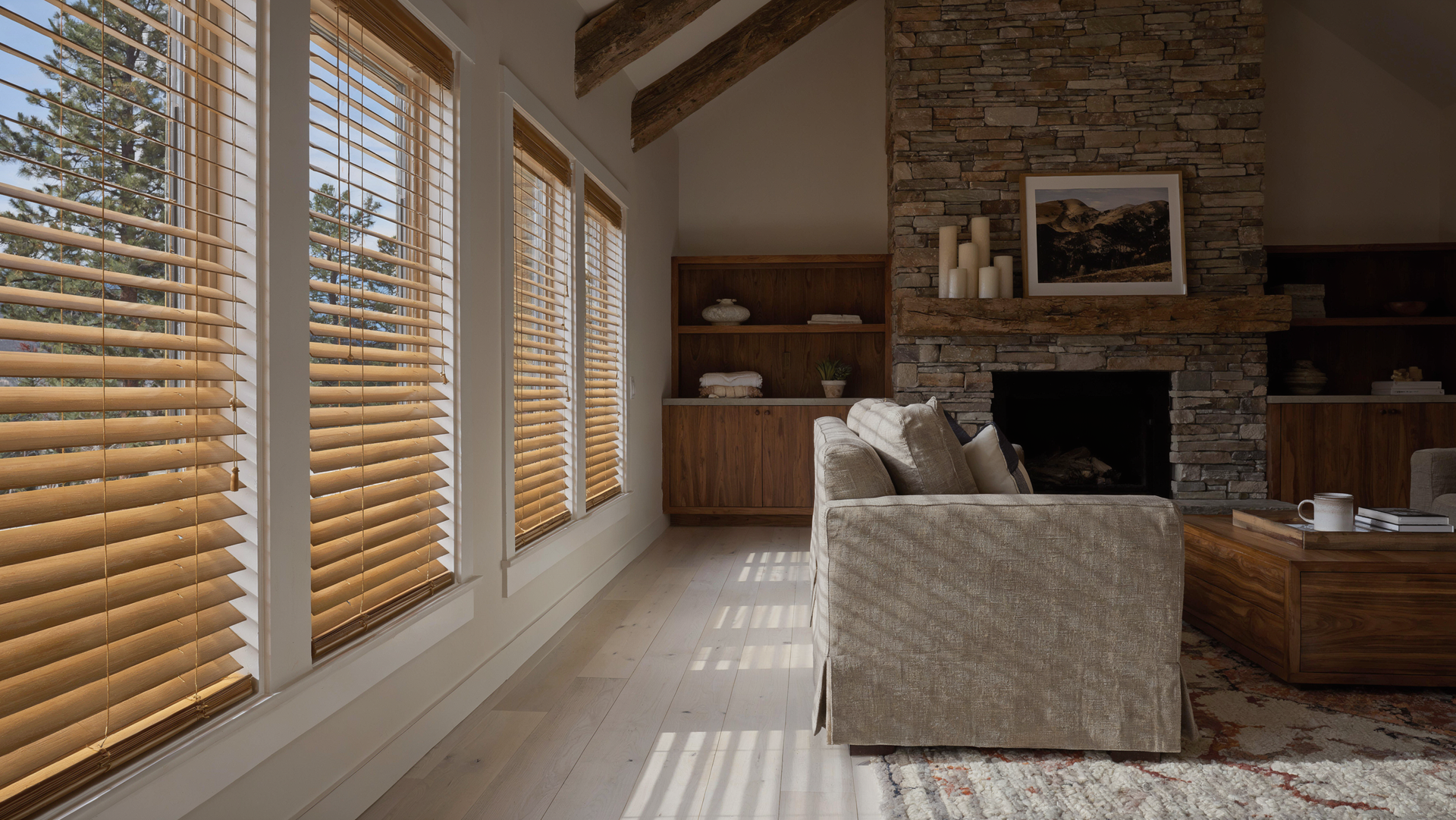
Real wood blinds offer authentic grain, texture, and natural variation, making them a strong choice when appearance is the main priority.
They can complement many Colorado interior styles, including:
- Mountain modern
- Rustic
- Traditional
- Transitional
- Craftsman
- Contemporary spaces with natural materials
Wood also pairs naturally with hardwood floors, exposed beams, cabinetry, stone fireplaces, and other architectural details found in Colorado homes.
Real wood blinds are generally lighter than comparable faux wood blinds. That can make them easier to operate, especially on larger windows.
Faux wood blinds have improved significantly in appearance. Quality options can provide convincing wood tones and textured finishes without requiring the same care as natural wood.
For homeowners who prefer a crisp white or painted look, faux wood can be especially attractive because the goal is not necessarily to reproduce visible natural grain.
Love is Blinds Colorado can help you compare real wood and faux wood samples in your own home. Seeing the window treatment materials next to your trim, flooring, furniture, and natural light can make the difference much easier to see.
Where Do Faux Wood Blinds Work Best?
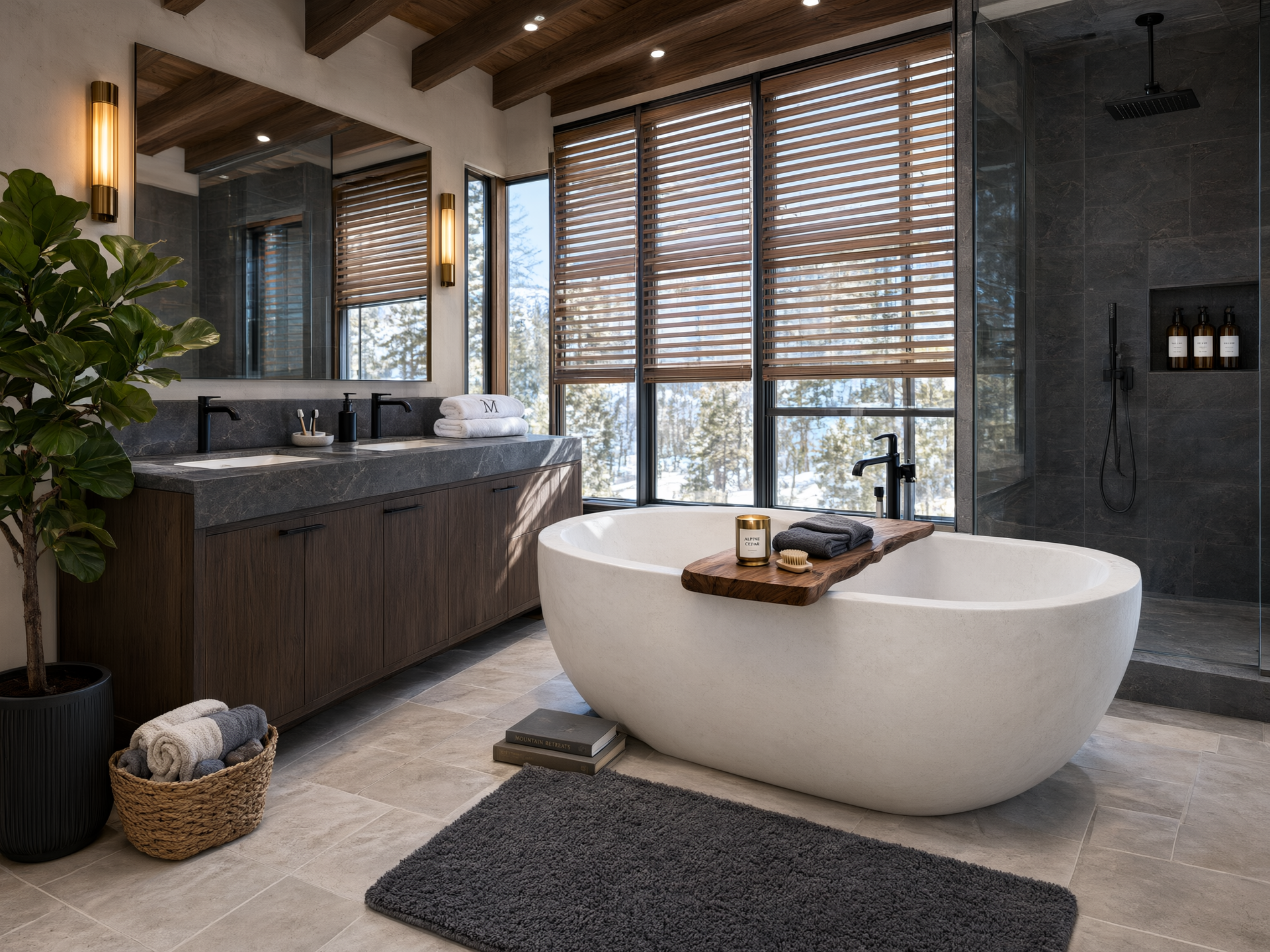
Faux wood blinds work especially well in kitchens, bathrooms, laundry rooms, and other areas where moisture resistance and easy maintenance are important.
Real wood is a natural material. Repeated exposure to moisture can cause wood to swell, warp, or change over time.
Faux wood materials are designed to resist moisture more effectively. They are also easy to wipe clean, which can make them practical for busy households.
Good locations for faux wood blinds include:
- Bathrooms
- Kitchens
- Laundry rooms
- Children's rooms
- High-traffic spaces
- Windows where easy cleaning is important
One consideration is weight. Faux wood blinds can be heavier than real wood blinds, particularly on wide windows.
For an especially large window, another type of treatment may operate more smoothly. Custom measurement allows the size and operating needs of the window to be considered before choosing the material.
Where Do Real Wood Blinds Work Best?
Real wood blinds work best in dry interior spaces where homeowners want natural materials, distinctive grain, and a refined finished appearance.
Primary bedrooms, living rooms, dining rooms, studies, and home offices are common choices.
Real wood is also useful when weight matters. Because wood blinds can be lighter than faux wood alternatives, they may be easier to raise and lower on certain windows.
Color is another advantage.
Natural stains can coordinate with:
- Hardwood flooring
- Kitchen or built-in cabinetry
- Wood furniture
- Ceiling beams
- Interior doors
- Window trim
Painted wood can provide a cleaner look while still maintaining the characteristics of a natural material.
However, real wood usually requires more consideration in rooms where water, steam, or high humidity may occur regularly.
Which Is Better for Light Control and Privacy?
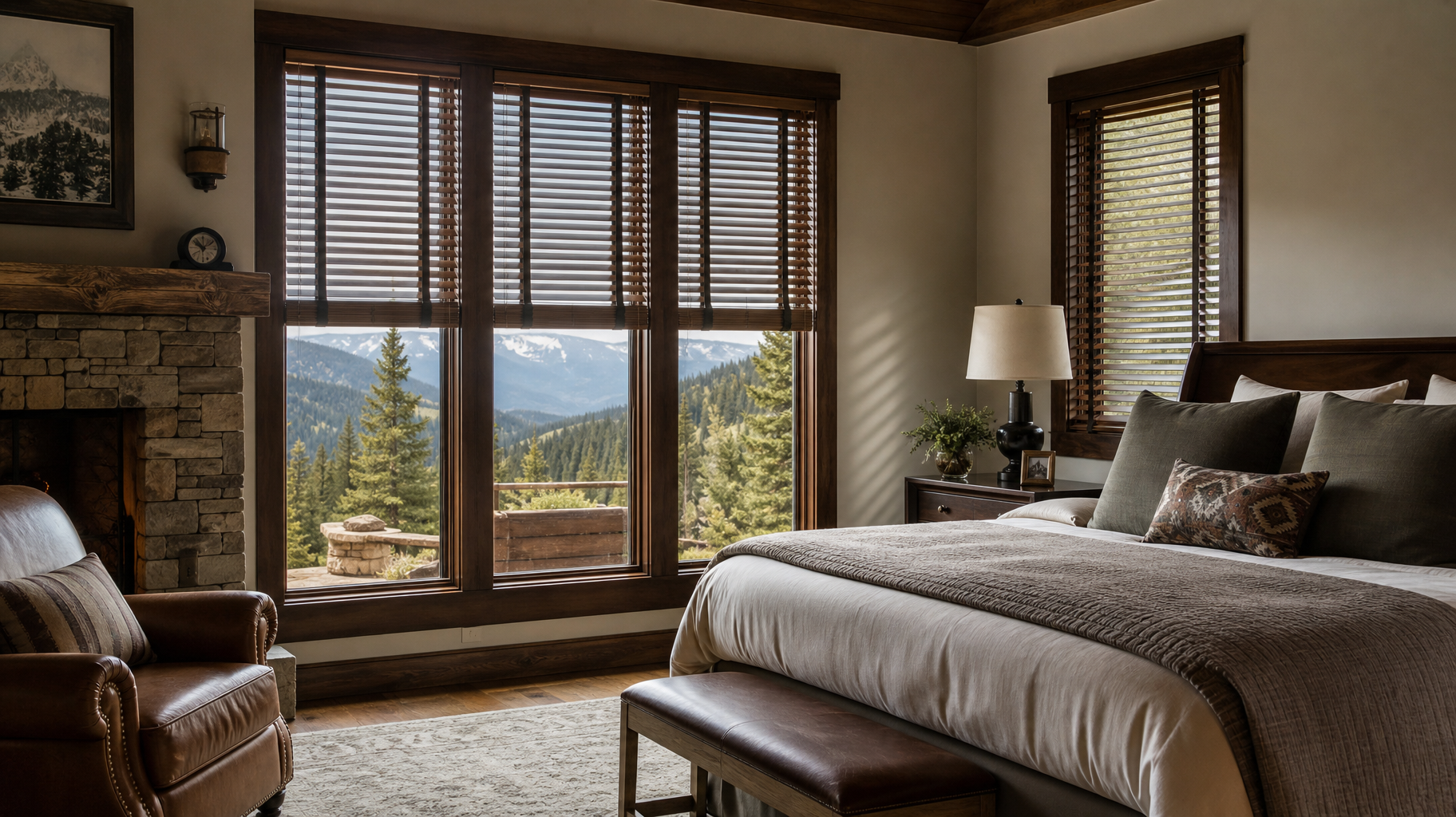
Real wood and faux wood blinds provide similar light and privacy control because both use adjustable horizontal slats.
Tilt the slats one way to redirect sunlight while maintaining privacy. Open them further when you want more daylight or an outdoor view.
This flexibility can be useful during Colorado’s changing seasons.
In October, lower sun angles can begin sending more direct light into rooms that felt comfortable during summer.
Adjustable blinds let homeowners redirect that sunlight instead of completely covering the window.
During winter, the slats can also open to take advantage of useful natural sunlight during the day.
At night, closing the blinds provides privacy from neighboring homes, streets, and sidewalks.
Neither product is designed to create complete blackout conditions on its own. Bedrooms requiring maximum darkness may benefit from blackout shades or layered treatments instead.
Find the Right Blinds for Your Colorado Home
Real wood and faux wood blinds can both provide beautiful light control, privacy, and classic style. The better option depends on where the blinds are going and what you expect from them every day.
Choose real wood for authentic natural character and a lighter feel. Consider faux wood for moisture resistance, durability, and easy maintenance.
Love is Blinds Colorado can help you compare materials, finishes, slat sizes, and operating options in your own home. Professional measuring also helps ensure your custom blinds fit the window and operate properly.
Schedule an in-home consultation with Love is Blinds Colorado to find the right custom blinds for your Colorado home.
Frequently Asked Questions About Wood and
Faux Wood Blinds
Q: Are faux wood blinds better than real wood blinds?
A: Neither material is better for every room. Faux wood is often better for moisture-prone and high-use areas, while real wood is ideal when natural grain, lighter weight, and authentic wood appearance are priorities.
Q: Are real wood blinds good for Colorado homes?
A: Yes. Colorado’s generally dry climate makes real wood blinds a practical choice for many bedrooms, living rooms, dining rooms, and offices. Direct sunlight, window size, and the specific room should still be considered.
Q: Can faux wood blinds be used in bathrooms?
A: Faux wood blinds are commonly a better choice for bathrooms because they resist moisture better than natural wood. They are also easy to clean and maintain.
Q: Which is heavier, faux wood or real wood blinds?
A: Faux wood blinds are often heavier than comparable real wood blinds. This can become important on very wide windows, where the weight of the treatment may affect operation.
Q: Do wood blinds provide privacy at night?
A: Yes. Real and faux wood blinds provide strong privacy when their slats are fully closed. Their adjustable slats also allow homeowners to balance daylight and privacy during the day.