Energy-Efficient Window Treatments for Colorado Winters
Love Is Blinds
How Energy-Efficient Window Treatments Keep Colorado Homes Warmer
September in Colorado can still bring warm, sunny afternoons, but cooler nights are already signaling the change of seasons. Before freezing temperatures arrive, it is a good time to look at the windows that made certain rooms feel cold last winter.
Energy-efficient window treatments can help Colorado homes stay more comfortable by slowing heat transfer through windows. Cellular shades, insulating shades, shutters, and layered window treatments can add another barrier between your heated rooms and cold glass.
The right solution can also provide privacy, light control, and style throughout the year. That makes energy-efficient window coverings a practical improvement rather than something used only during winter.
What Are the Best Energy-Efficient Window Treatments for Colorado Winters?
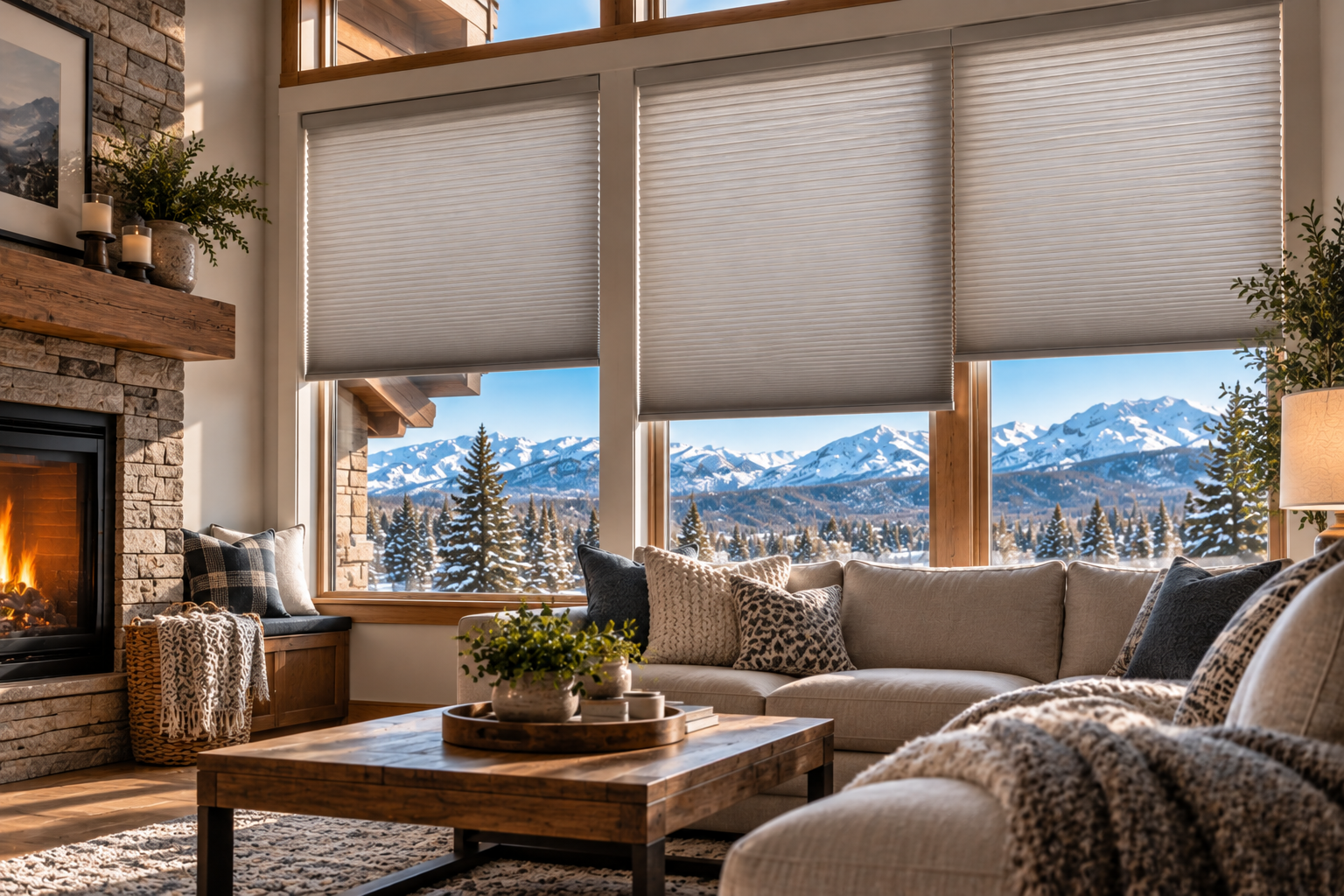
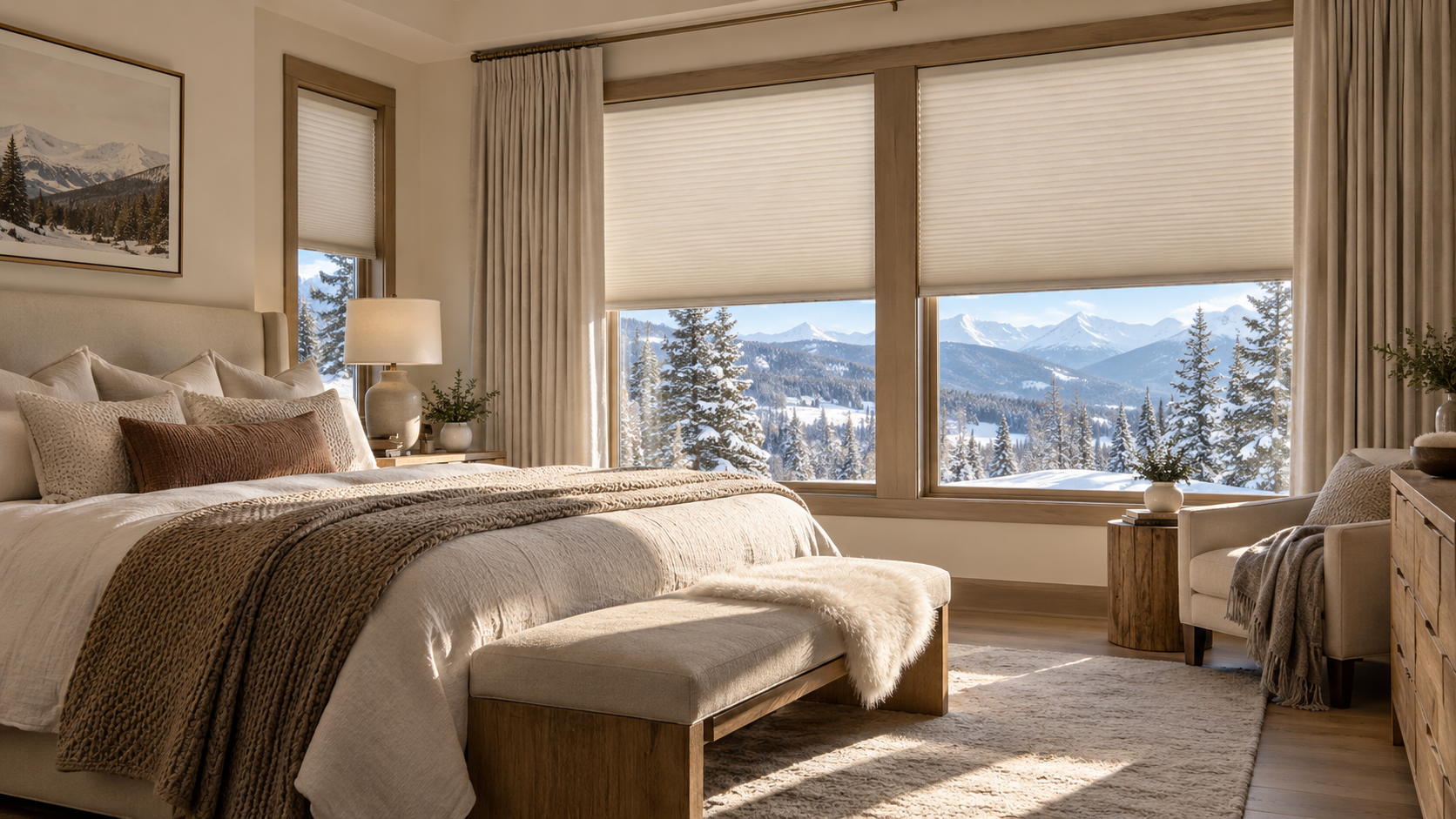
Cellular shades are one of the best energy-efficient window treatments for cold Colorado winters because their honeycomb construction traps air near the window.
However, they are not the only option. Depending on the window and room, homeowners may also consider:
- Cellular or honeycomb shades
- Interior shutters
- Insulating window shades
- Roman shades with suitable fabrics and linings
- Layered shades and drapery
- Motorized shades that can follow daily schedules
The best choice depends on the window's size, exposure, existing glass, and how you use the room.
For example, a large west-facing living room has different needs than a smaller north-facing bedroom. Custom window treatments allow each window to be addressed based on its actual conditions.
How Do Cellular Shades Help Insulate Windows?
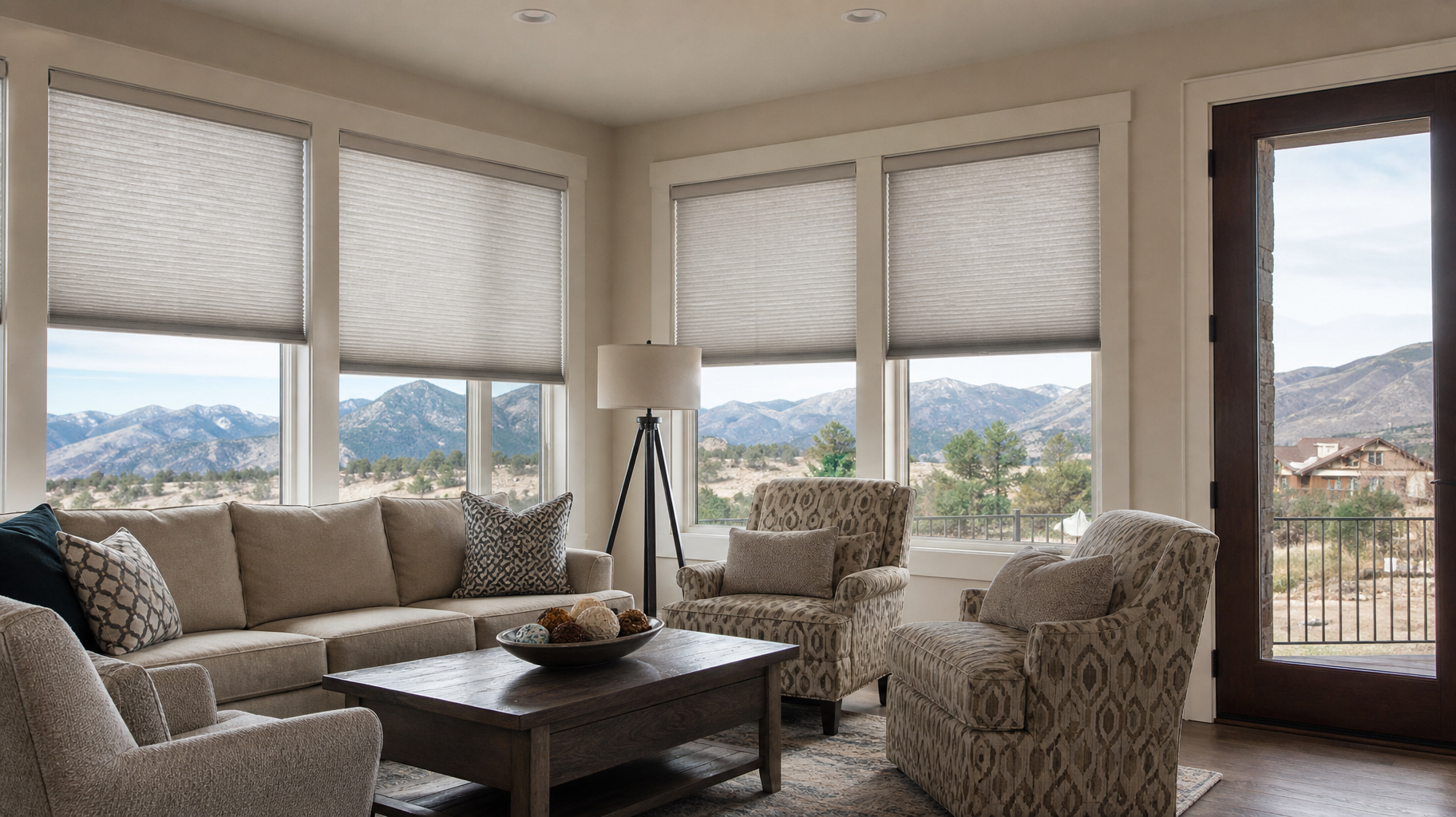
Cellular shades (also called honeycomb shades) improve window insulation by trapping air inside honeycomb-shaped fabric pockets that create an extra barrier between the room and the glass.
This design can be especially helpful during Colorado winters. Windows are often one of the areas where indoor heat moves most easily toward the colder outdoors.
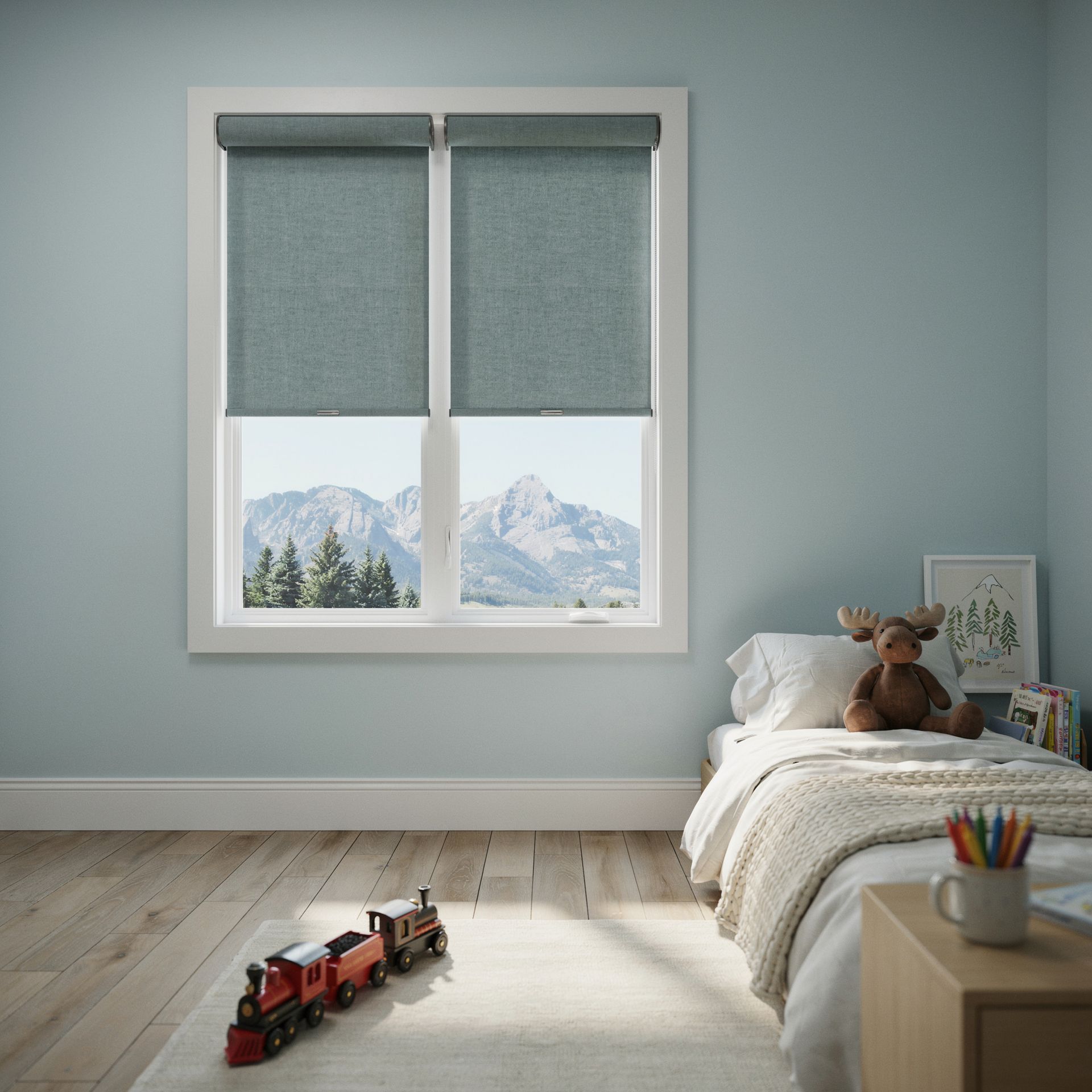
Cellular shades are available in different cell designs, fabrics, colors, and light-control levels. Homeowners can choose light-filtering options for living areas or room-darkening fabrics for bedrooms.
Their benefits can include:
- Added insulation at the window
- Improved winter comfort
- Reduced cold sensation near glass
- Privacy
- Light control
- Clean, streamlined design
The U.S. Department of Energy has studied insulating cellular shades and reports that well-fitted cellular shades can reduce heat loss through windows. The honeycomb cells trap air, which makes them particularly useful in colder climates.
Proper fit matters. Gaps around a window covering allow more air movement and reduce the effectiveness of the insulating layer.
Can Window Treatments Help a Colorado Home
Feel Less Drafty?
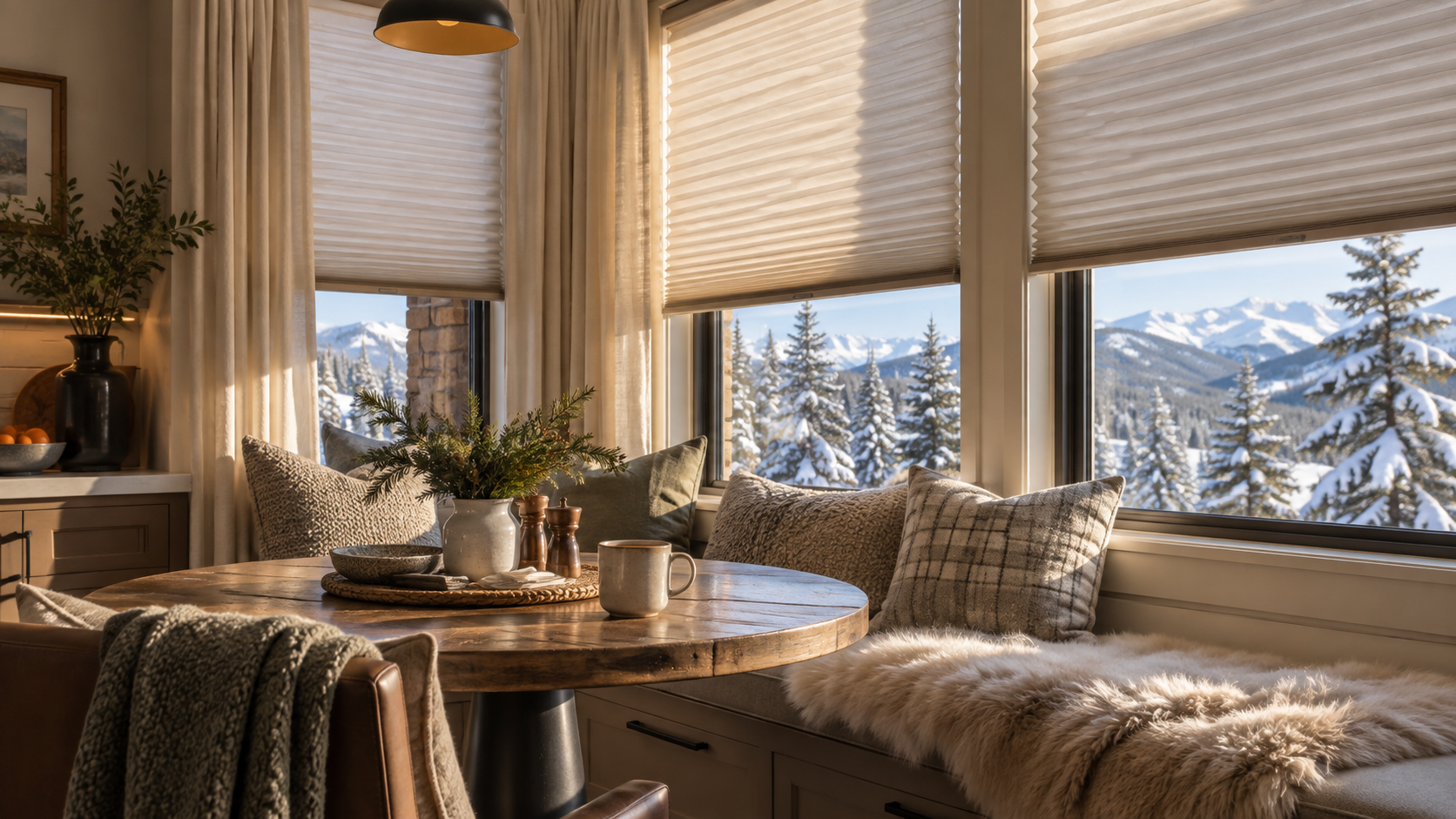
Yes. Well-fitted window treatments can reduce the feeling of cold air near windows, although they cannot repair an actual air leak in the window or frame.
This distinction matters.
Cold glass can create air movement that feels like a draft even when the window itself is sealed. Insulating shades can reduce that effect by separating more of the room's warm air from the cold window surface.
If outside air is physically entering through cracks or gaps, the window may also need weatherstripping, caulking, or another repair. Window treatments should complement proper weatherization rather than replace it.
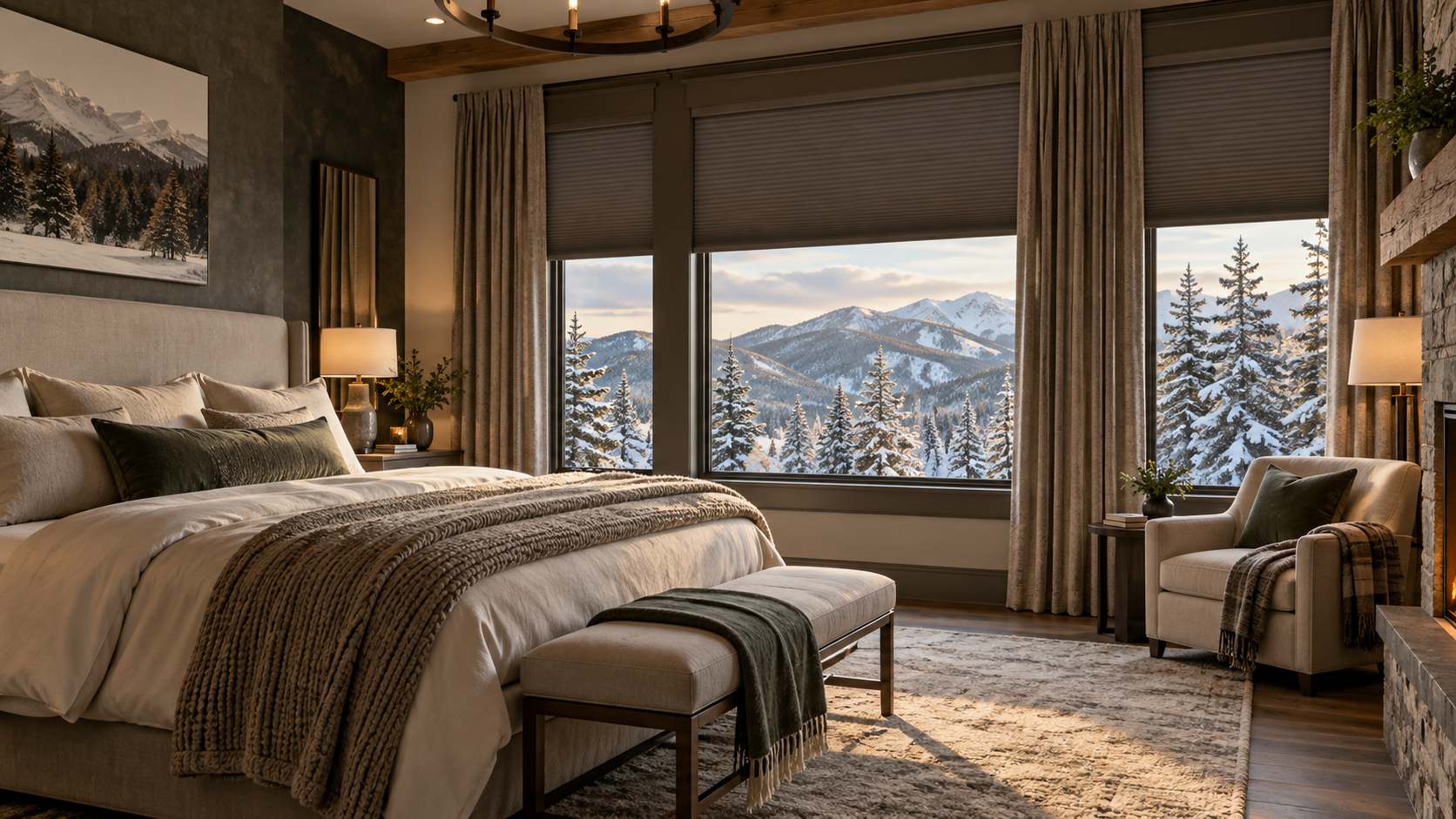
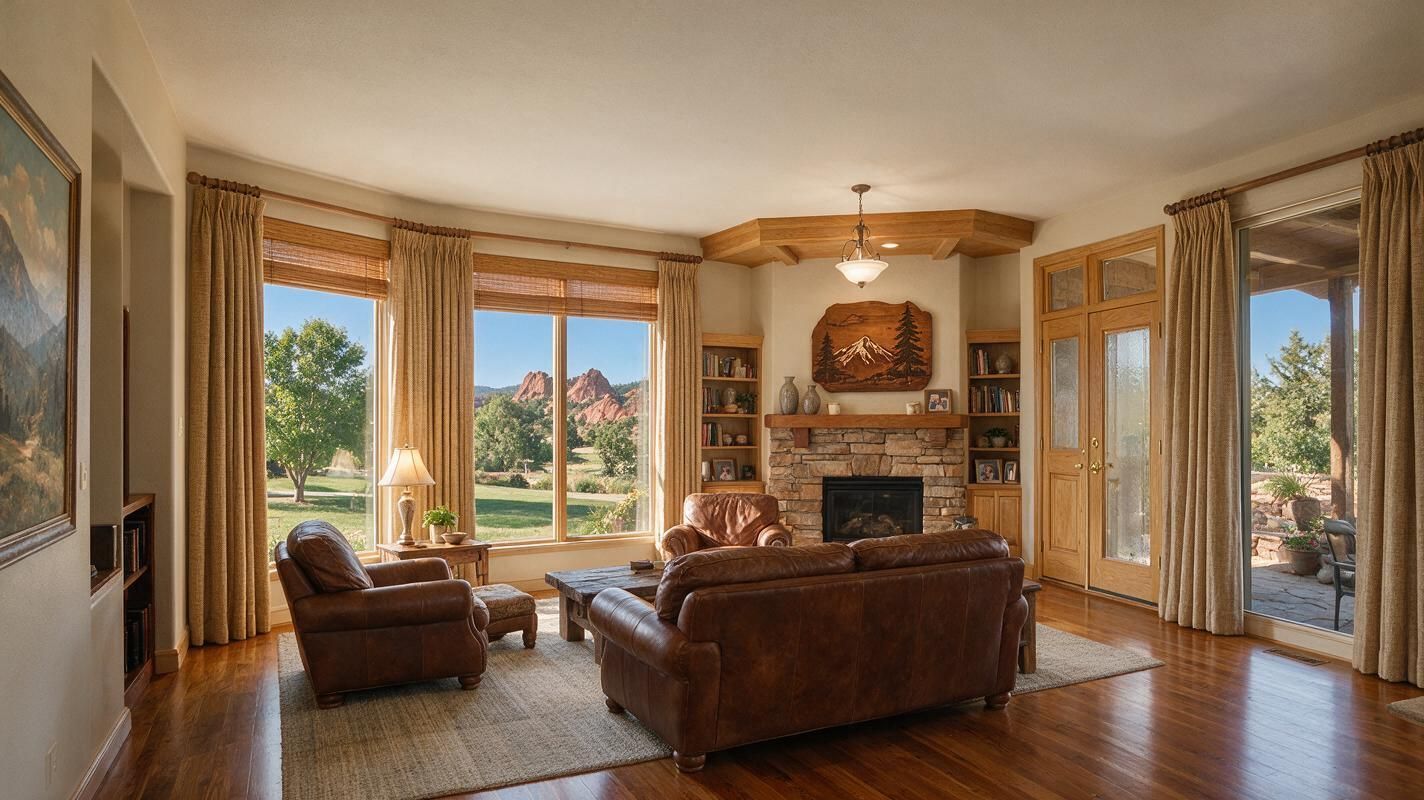
Layering can provide additional comfort in rooms with particularly cold windows. A cellular or Roman shade paired with drapery gives the window more than one layer between the glass and the living space.
Do Shutters and Blinds Improve Winter Energy Efficiency?
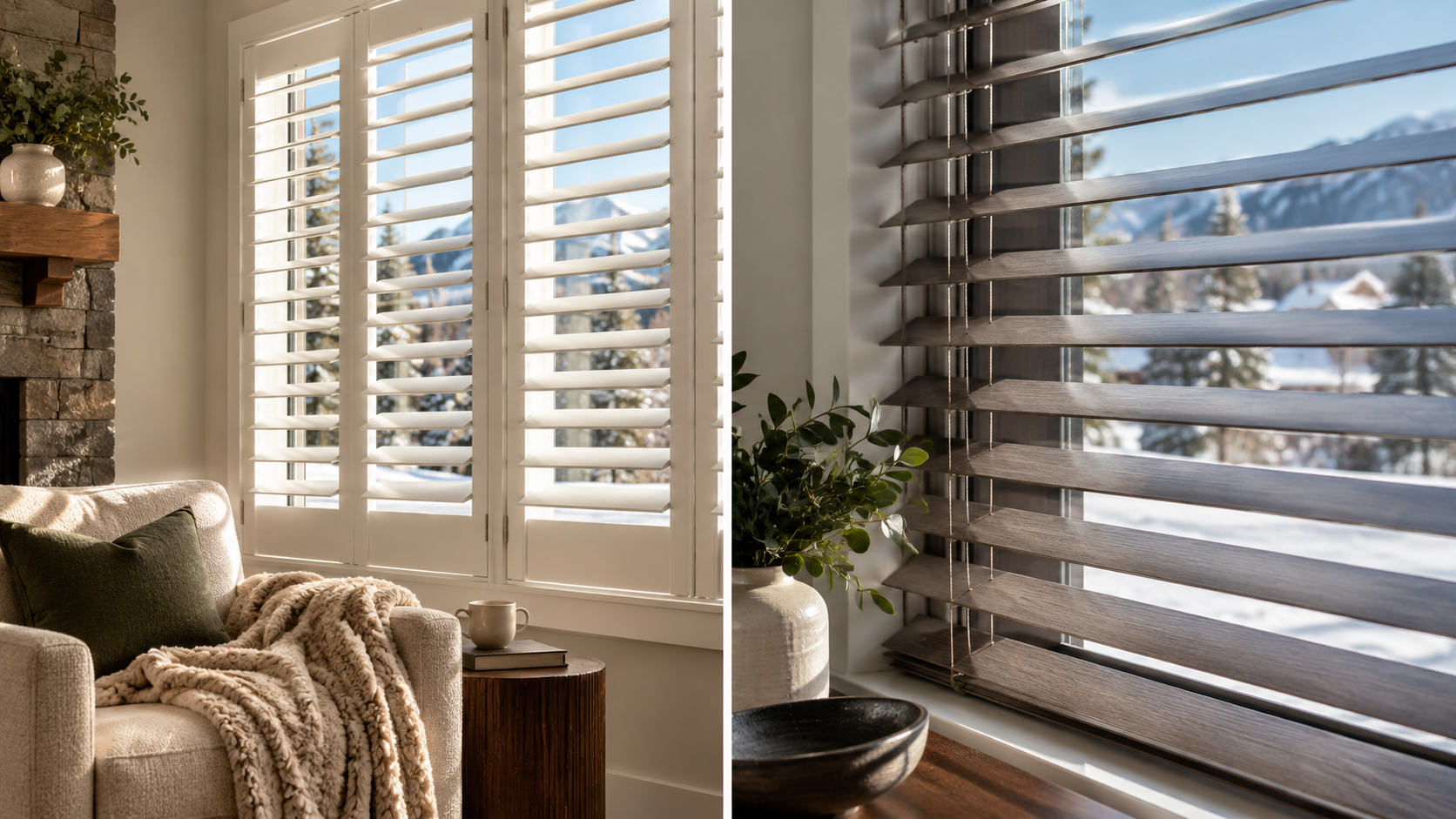
Shutters can add a solid layer at the window, while standard blinds provide useful light control but generally offer less insulation than cellular shades.
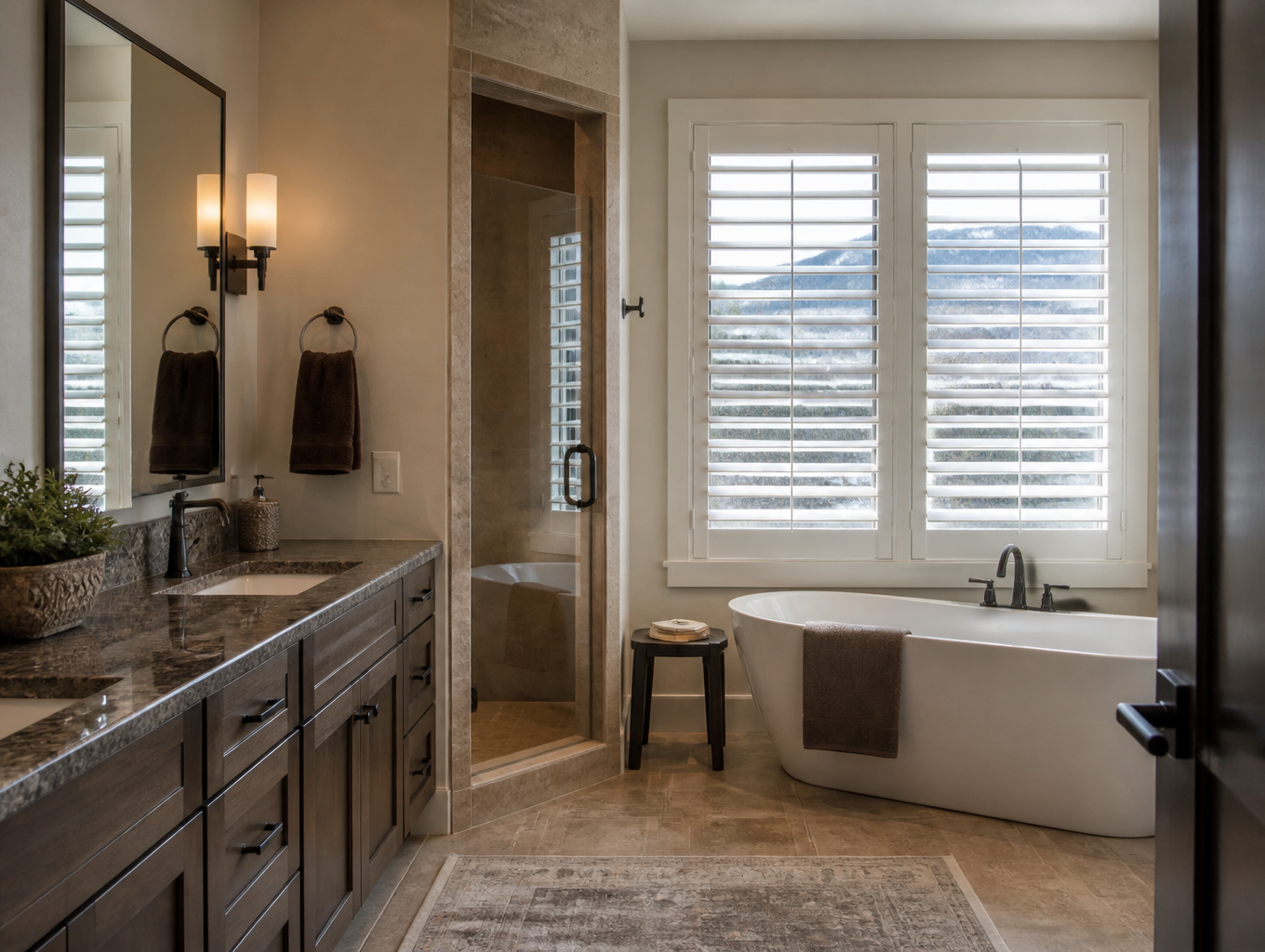
Interior shutters fit closely within or around the window opening. When closed, their panels can help separate the room from the cold glass while also providing excellent privacy and adjustable light control.
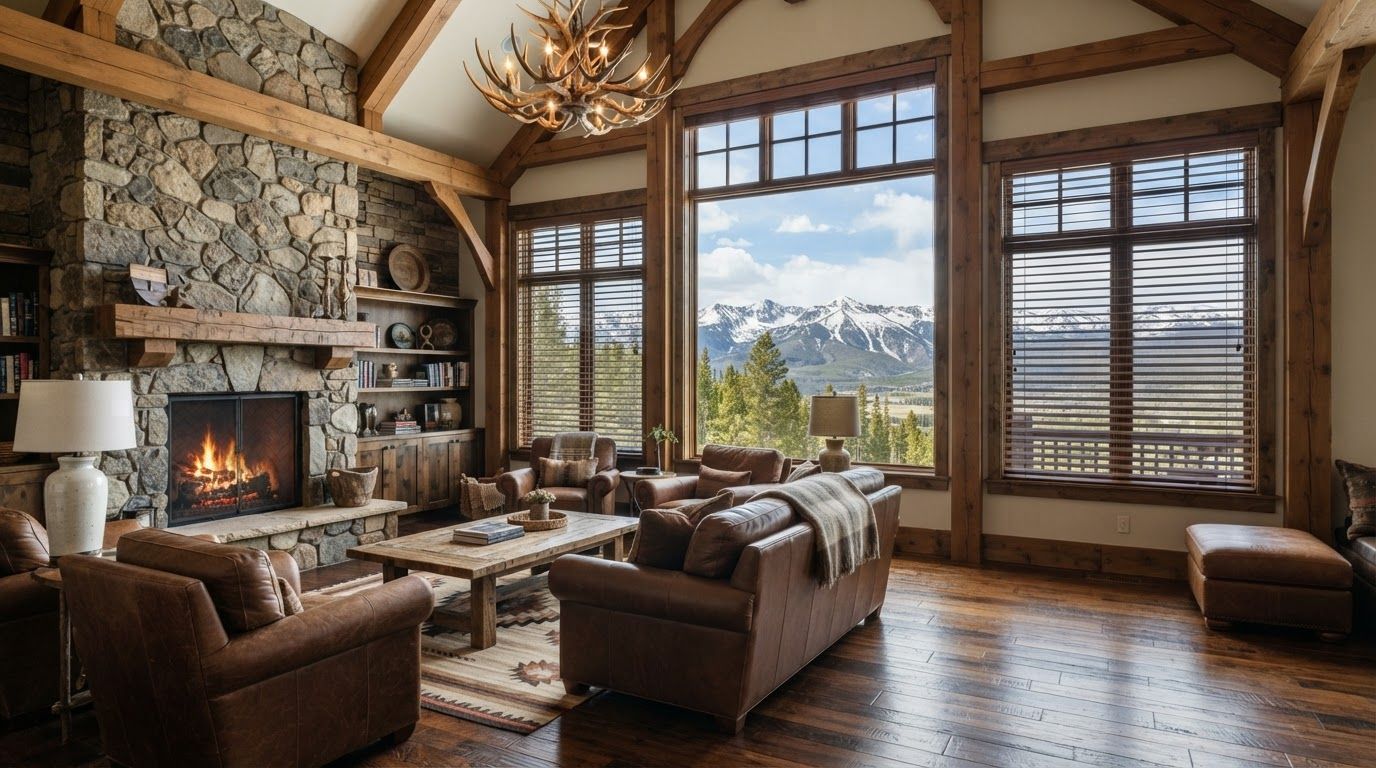
Blinds serve a somewhat different purpose. Their adjustable slats are excellent for directing sunlight, controlling privacy, and taking advantage of Colorado's bright winter days.
On sunny winter mornings and afternoons, homeowners can open or adjust their treatments to let warming sunlight enter. As temperatures fall in the evening, closing window coverings can help create another barrier at the glass.
This is why the most energy-efficient solution is not always about selecting the thickest possible product. How you operate the treatment throughout the day also affects comfort.
Can Motorized Shades Improve Energy Efficiency?
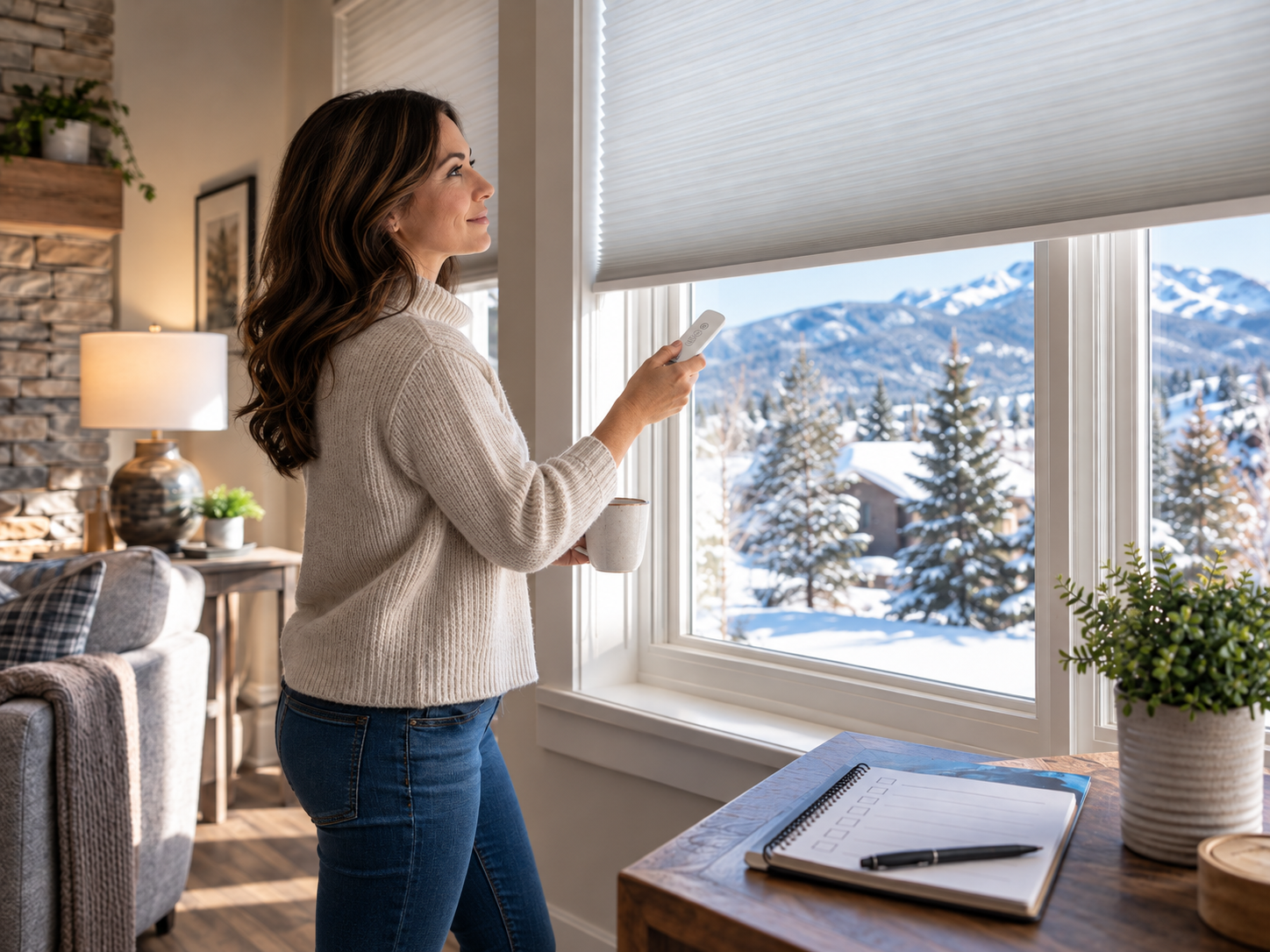
Yes. Motorized shades can support energy efficiency by making it easier to open and close window treatments at useful times throughout the day.
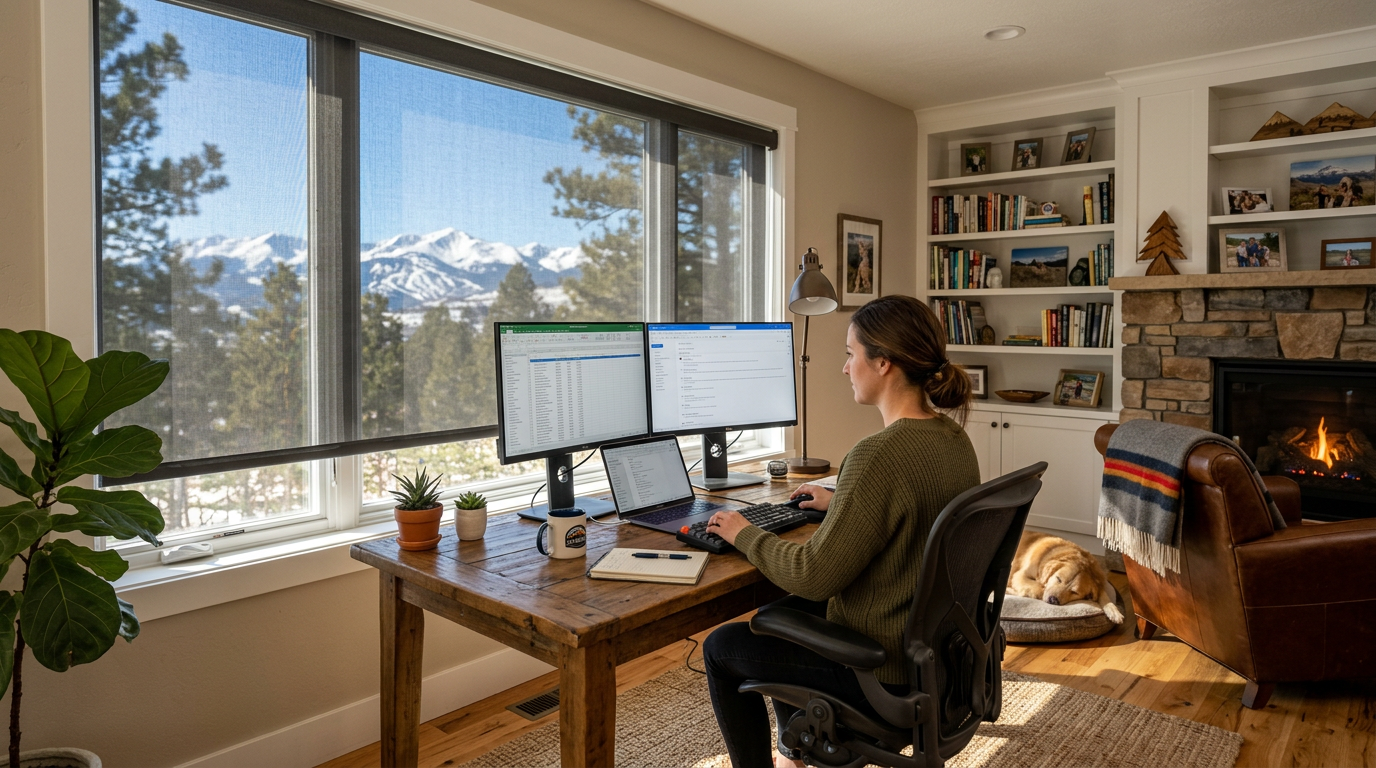
Colorado's winter sun can be an advantage. A south-facing room may receive valuable solar warmth during daylight hours, even when outside temperatures are cold.
A motorized shade can remain open when you want that sunlight and close later as temperatures drop. Depending on the operating system, shades may be controlled by remote, app, smart home integration, or programmed schedules.
Motorization can be especially convenient for:
- Large windows
- Tall windows
- Groups of windows
- Hard-to-reach glass
- Two-story living spaces
- Bedrooms
- Frequently used living areas
Consistency matters. Even an energy-efficient shade provides little insulation when it remains open throughout a cold night.
Automation makes it easier to use window treatments as part of your home's daily comfort routine.
How Should Colorado Homeowners Prepare Their Windows for Winter?
Colorado Springs' homeowners should evaluate window comfort in early fall so there is time to address problem areas before colder weather arrives.
Start by thinking about the rooms that felt uncomfortable last winter.
Ask yourself:
- Which rooms felt colder than the rest of the house?
- Do you feel cold when sitting near certain windows?
- Which windows receive useful winter sunlight?
- Which rooms need more privacy after early winter sunsets?
- Are bedroom windows difficult to keep comfortable overnight?
- Do large windows need easier operation?
September is also a good time to think about year-round performance.
The same cellular shades that add insulation in winter can help control summer heat. Solar and adjustable treatments can manage Colorado's strong sunlight throughout the year. Layered treatments can combine insulation with privacy and interior design.
Custom measurement helps ensure the treatment fits the window correctly and operates as intended. It also allows the product to complement the architecture rather than looking like an afterthought.
Love is Blinds Colorado provides custom window treatments designed around Colorado homes, changing seasons, and the way each room is used.
Get Your Colorado Home Ready for Colder Weather
September is the ideal time to prepare your windows before Colorado's colder nights turn into winter weather. Energy-efficient window treatments can help create warmer bedrooms, more comfortable living spaces, and better control over sunlight and privacy.
Love is Blinds Colorado can help you compare cellular shades, shutters, insulating shades, motorized treatments, and layered window coverings in your own home. Professional measuring and installation help ensure each treatment fits properly and performs as intended.
Schedule an in-home consultation with Love is Blinds Colorado and find the right energy-efficient window treatments for your home before winter arrives.
Frequently Asked Questions About Energy-Efficient Window Treatments
Q: What are the most energy-efficient window treatments for winter?
A: Cellular shades are among the most energy-efficient window treatments because their honeycomb cells trap air near the window. Shutters, insulating shades, and layered window treatments can also improve winter comfort depending on the window and installation.
Q: Do cellular shades really help keep cold out?
A: Yes. Cellular shades create an insulating layer that helps slow heat transfer between the room and cold window glass. A close custom fit can improve their performance and make rooms feel more comfortable.
Q: Should window shades stay open or closed during winter?
A: Open shades when useful winter sunlight can warm the room, then close them as sunlight fades and outdoor temperatures drop. The best schedule depends on the direction each window faces and the amount of direct sunlight it receives.
Q: Are shutters good for Colorado winters?
A: Yes. Interior shutters create a solid layer at the window and provide adjustable privacy and light control. Homeowners who place maximum emphasis on insulation may also want to compare shutters with cellular shades.
Q: Can window treatments fix drafty windows?
A: Window treatments can reduce the cold sensation and air movement near glass, but they cannot repair gaps that allow outside air into the home. Actual leaks may require weatherstripping, caulking, or window repair in addition to insulating window treatments.