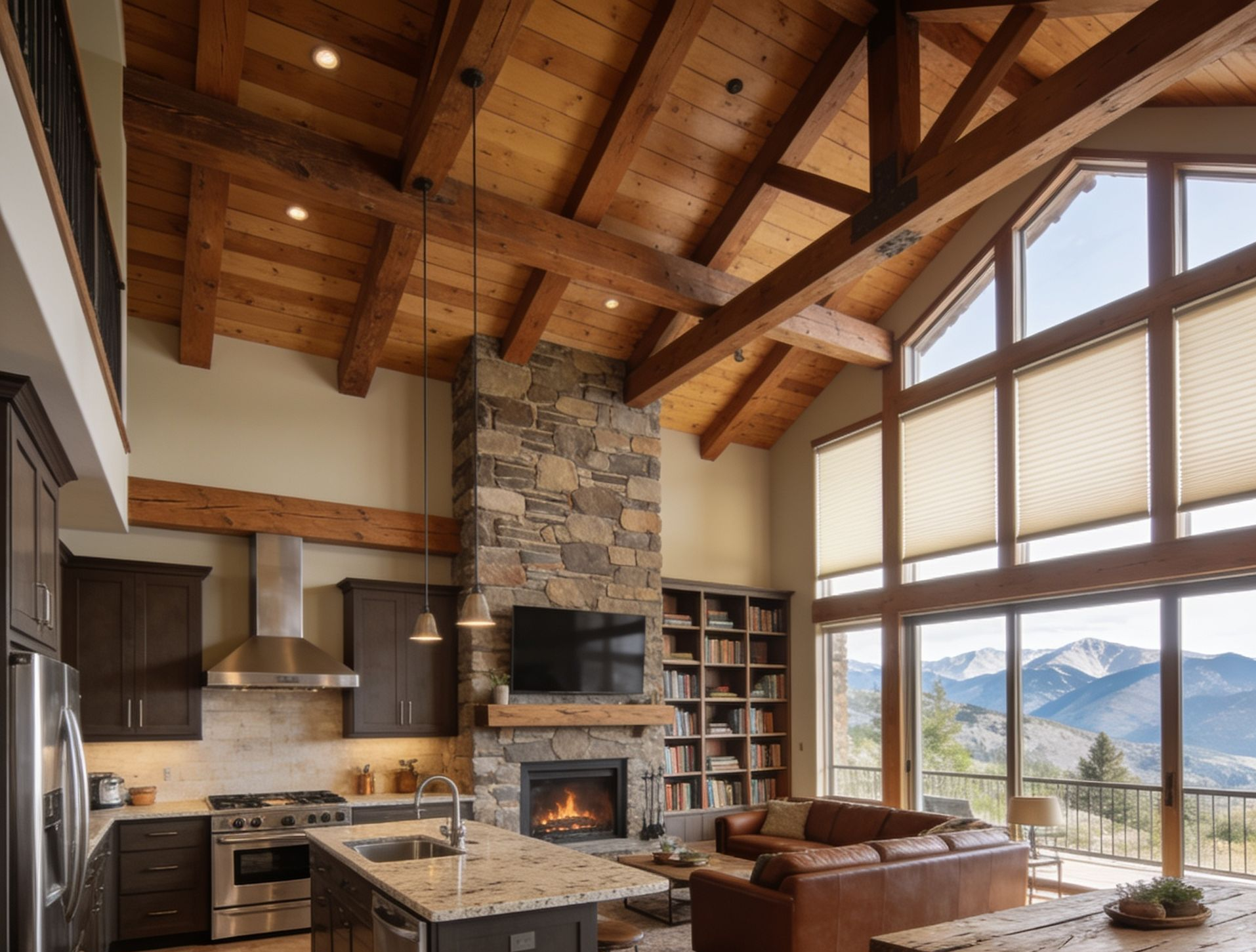
Blinds vs Shades: Which Is Best for CO Homes & Businesses
Love Is Blinds
Blinds vs Shades in Colorado Springs: What’s the Right Choice?
Choosing between blinds and shades isn’t just about style. In Colorado Springs, it directly impacts how a space handles sunlight, privacy, and temperature throughout the day.
This applies to both homes and commercial buildings. Whether you’re managing a residential living room, a downtown office, or a retail storefront, the right window treatment affects comfort, productivity, and energy use.
So how do you know which is right for your space?
The answer depends on how the room functions, how much sunlight it receives, and how much control you need over light and privacy.
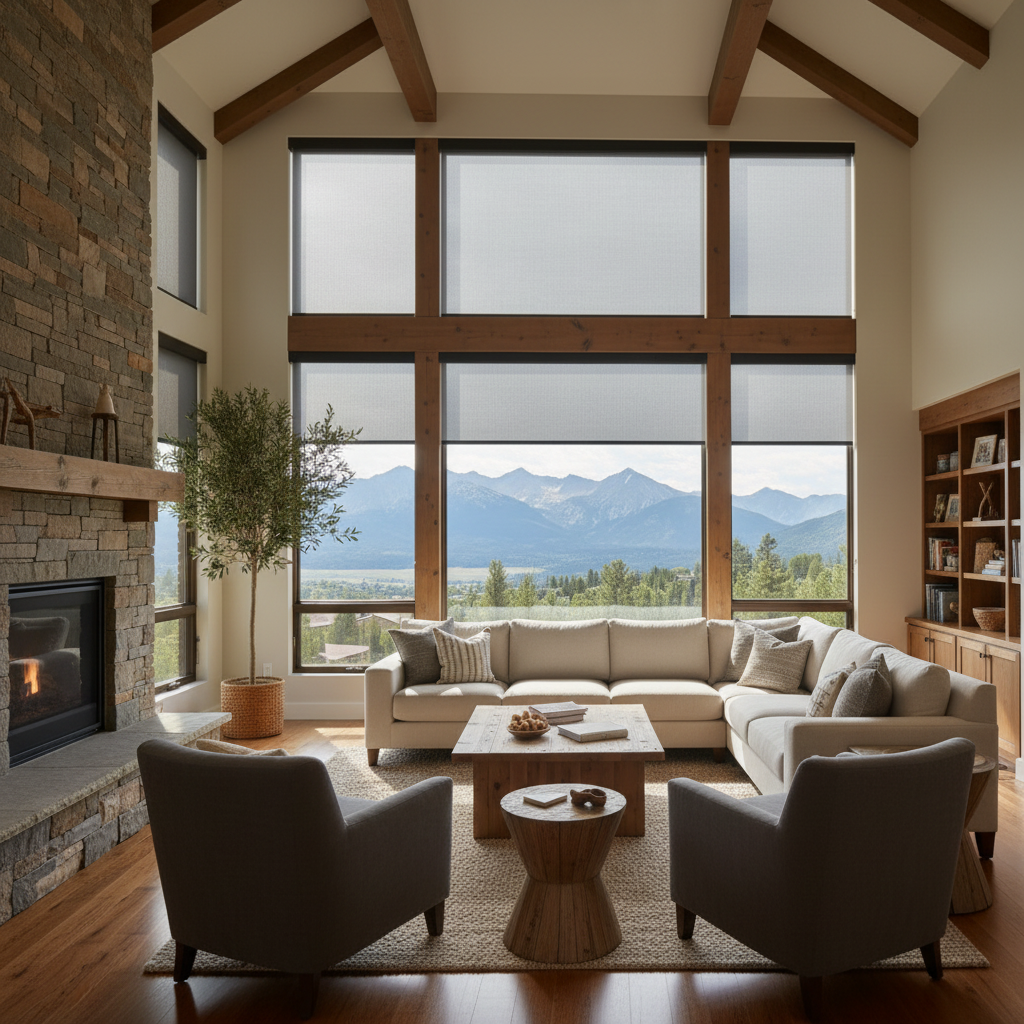
Quick Answer: Window Blinds vs Shades
If you want adjustable light control and durability, blinds are often the better choice.
If you want softer light, insulation, and a streamlined look, shades tend to perform better.
In Colorado Springs, many properties use a combination of both to match different needs across rooms or workspaces.
What Are Blinds?
Blinds are made with slats that can tilt open or closed. This allows for precise control over how much light enters a room.
Common types include:
•
Faux wood blinds
•
Real wood blinds
• Vertical blinds for large openings
Blinds are especially popular in both homes and commercial settings because they are durable and easy to maintain.
Best Uses for Blinds in Colorado Springs
Blinds work well in spaces where flexibility and durability matter most:
• Kitchens and bathrooms (moisture-resistant faux wood)
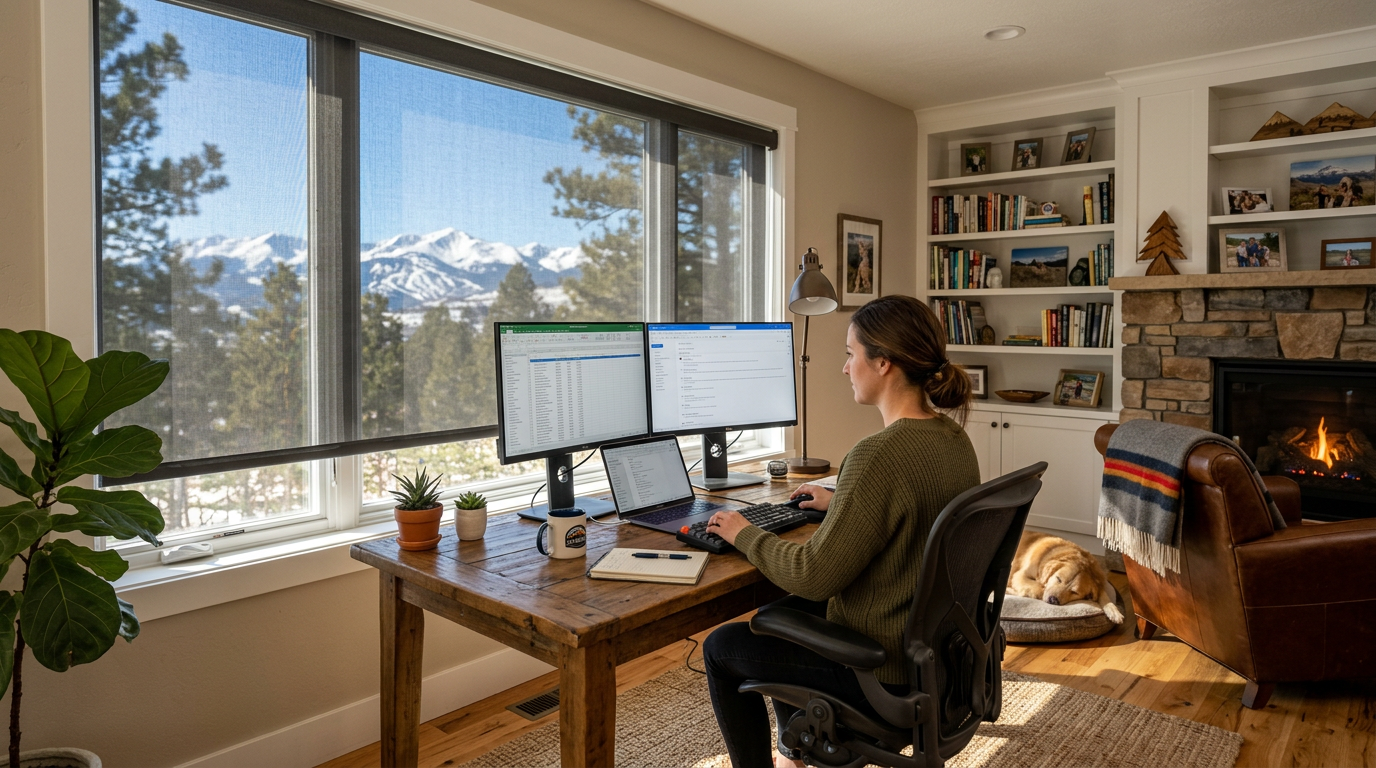
• Office spaces that need adjustable light throughout the day
• Retail storefronts that require visibility with glare control
• High-traffic commercial areas where durability is essential
Because you can tilt the slats, blinds allow you to control light without fully blocking it — which is especially useful in work environments.
What Are Shades?
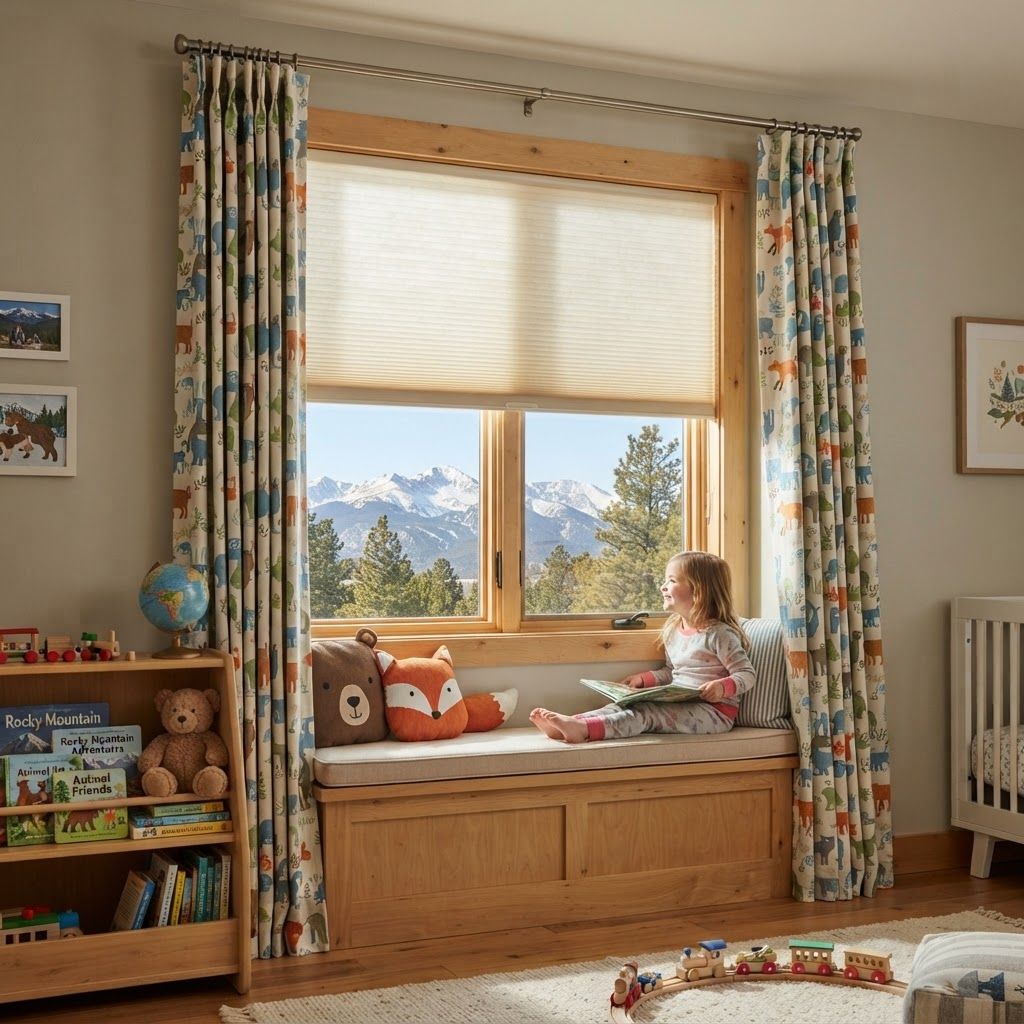
Shades are made from a continuous piece of fabric that raises and lowers as a single unit. Instead of tilting, they filter or block light depending on the material.
Popular types include:
•
Roller shades
• Solar shades
•
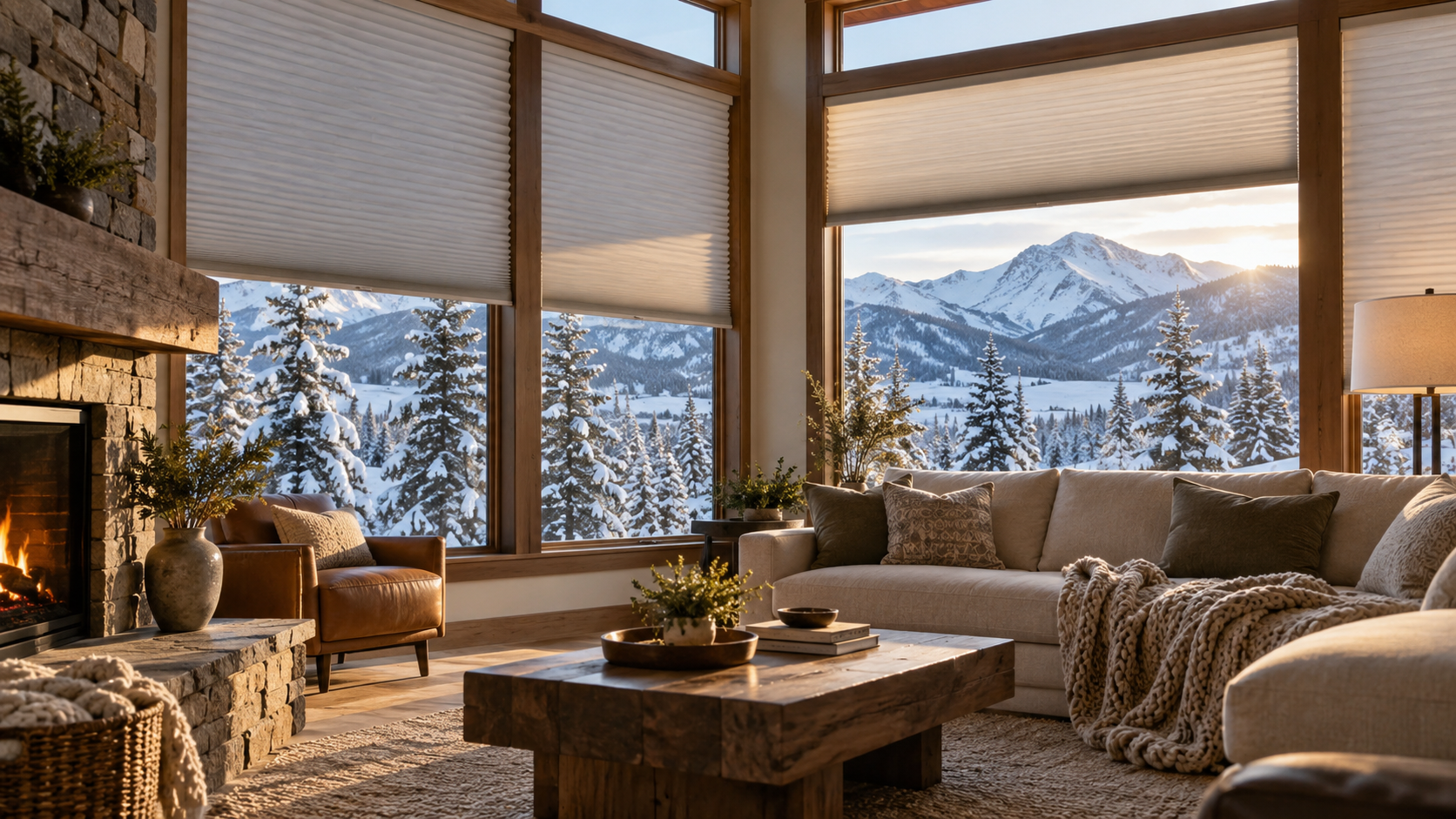
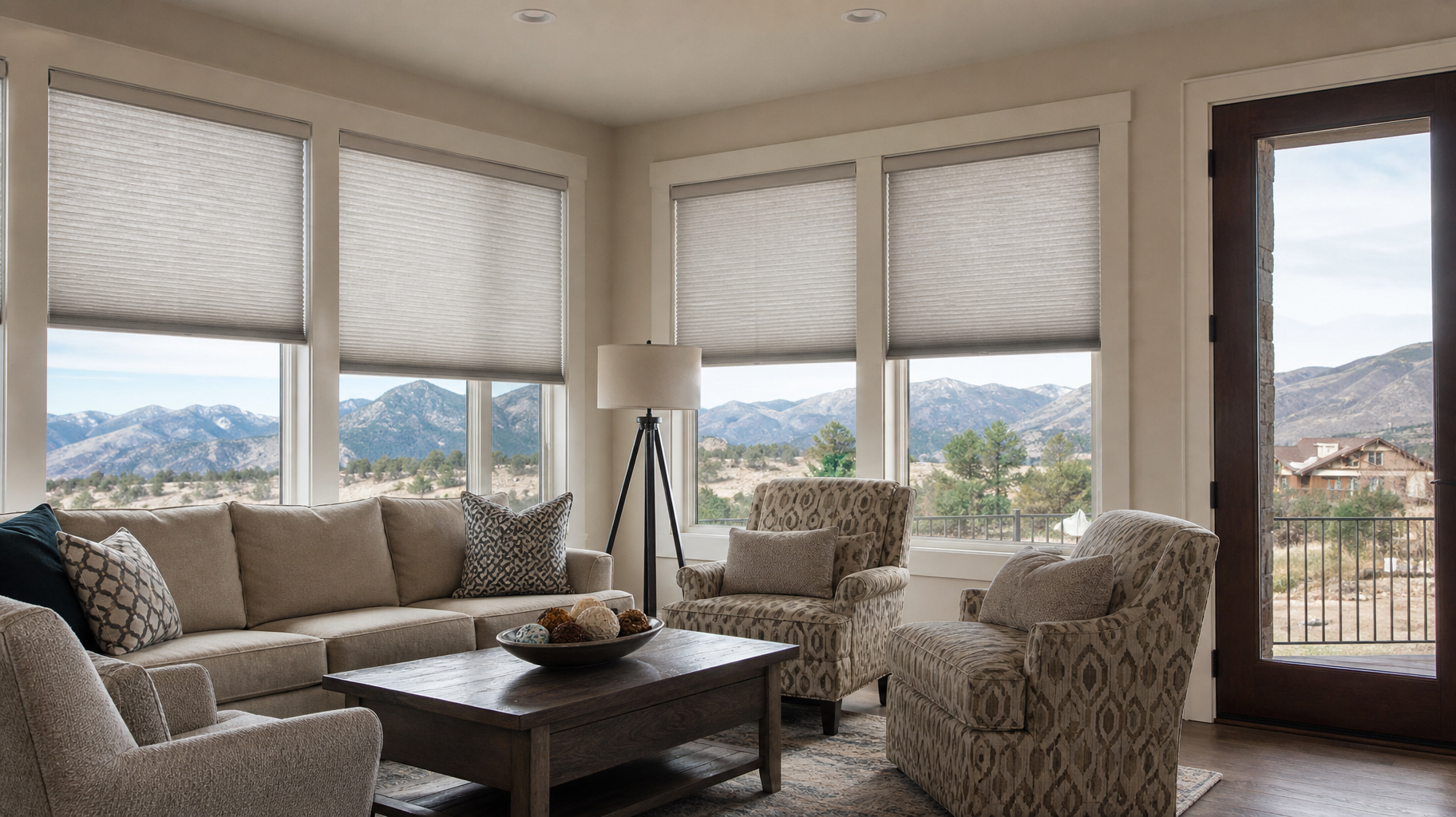
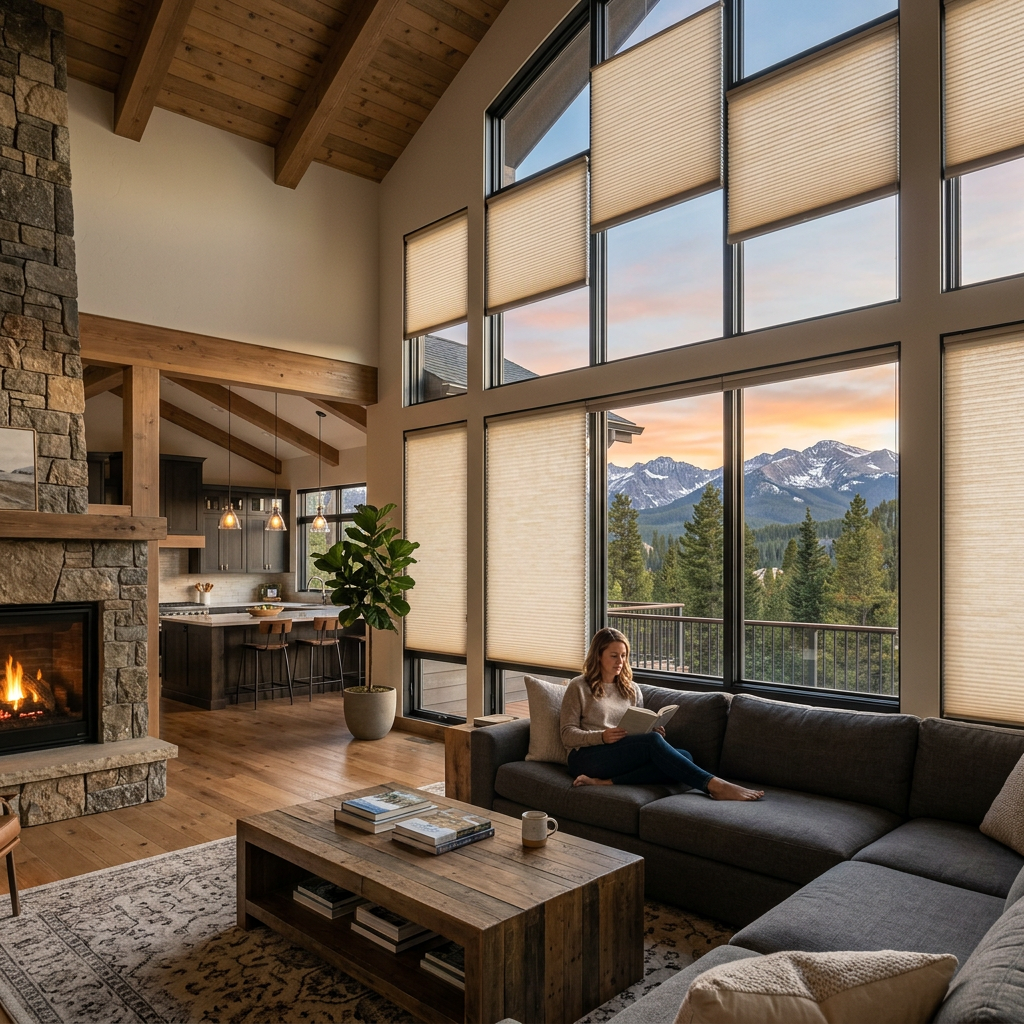
Cellular (honeycomb) shades
Shades create a softer, more modern look while also offering strong performance benefits.
Best Uses for Shades in Colorado Springs
Shades are ideal in spaces where comfort and light control are priorities:
• Living rooms that need glare reduction without losing views
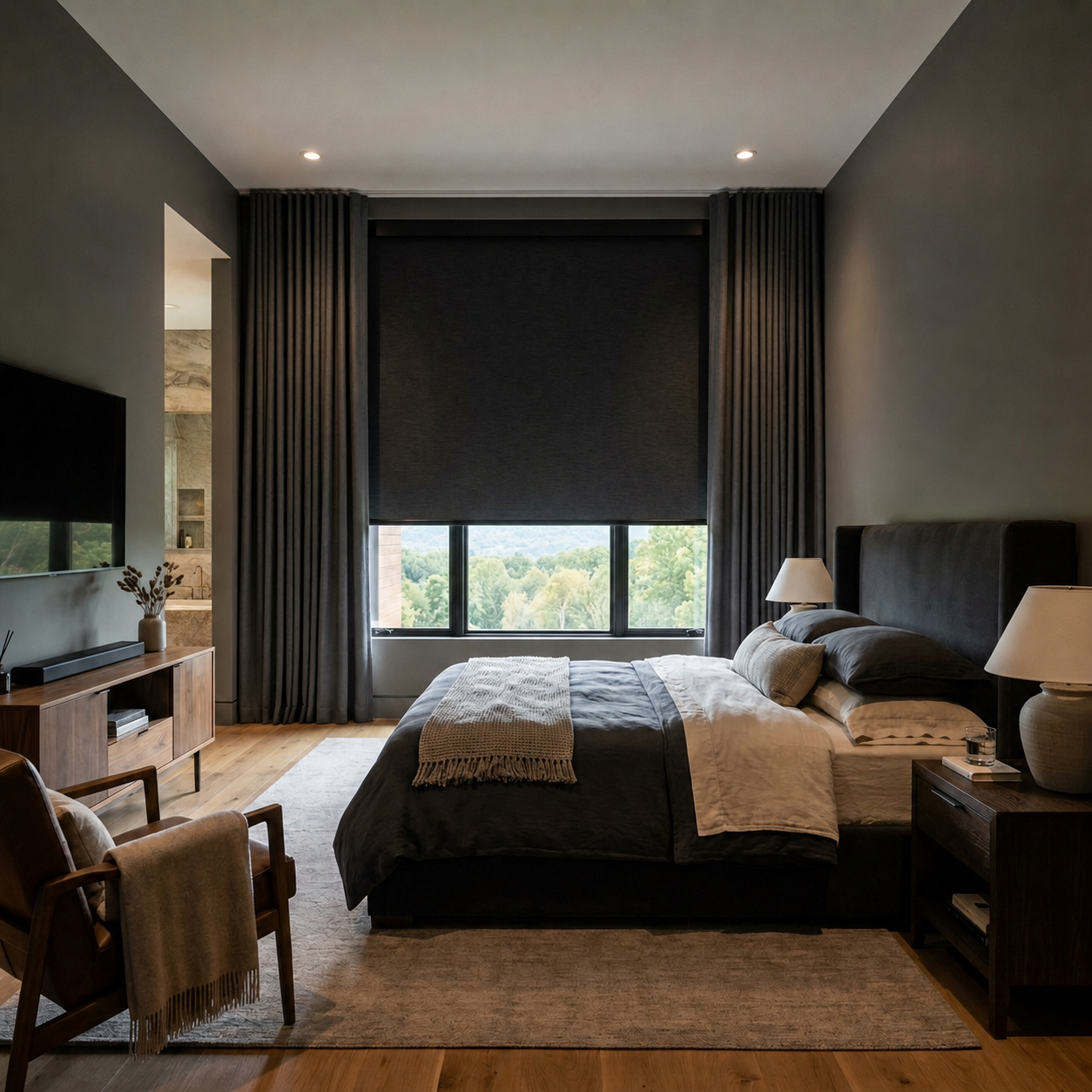
• Bedrooms that require blackout or room-darkening options
• Conference rooms where screen visibility matters
• Medical offices or studios where soft, diffused light is preferred
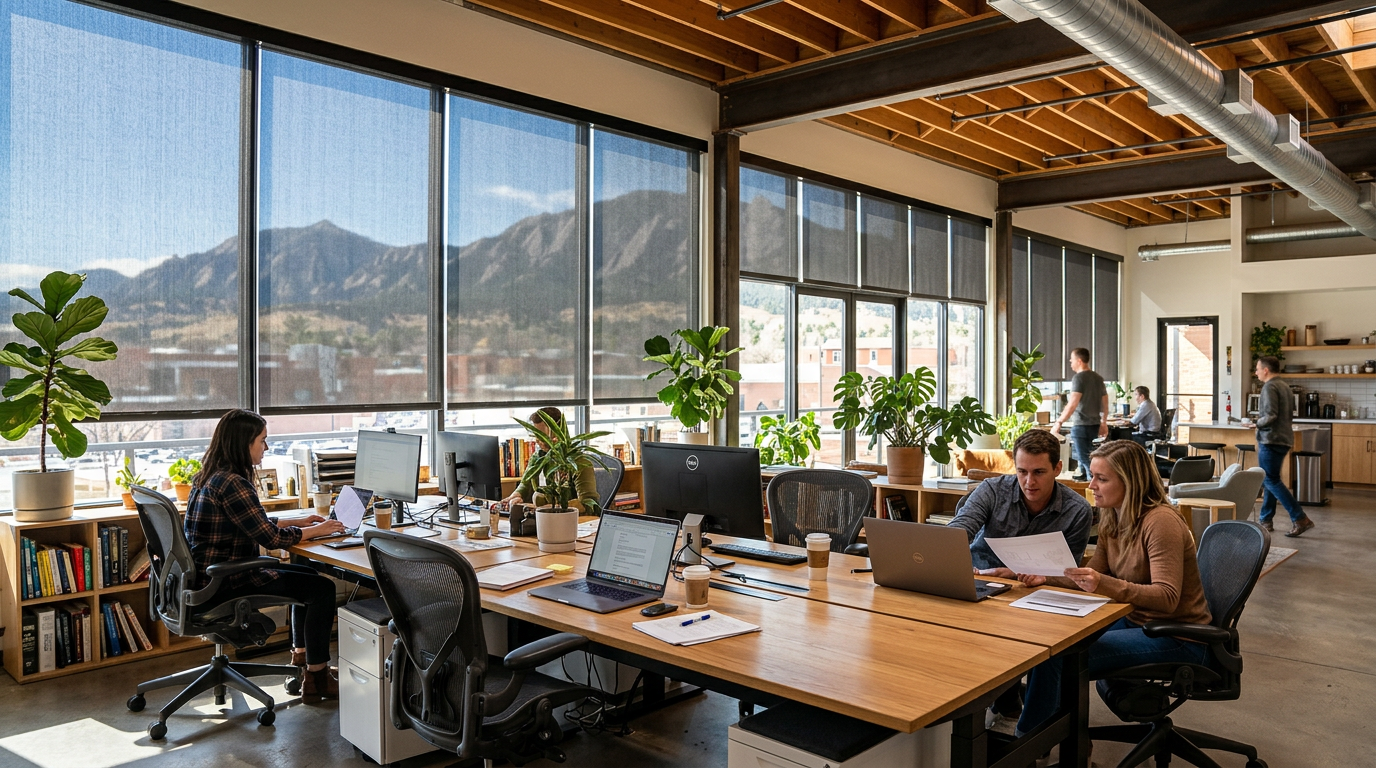
Solar shades, in particular, are widely used in both homes and commercial buildings in Colorado Springs because they reduce glare while maintaining visibility.
Energy Efficiency in Colorado’s Climate
Colorado Springs experiences intense sunlight due to elevation, along with cooler seasonal swings. This makes energy efficiency an important factor when choosing window treatments.
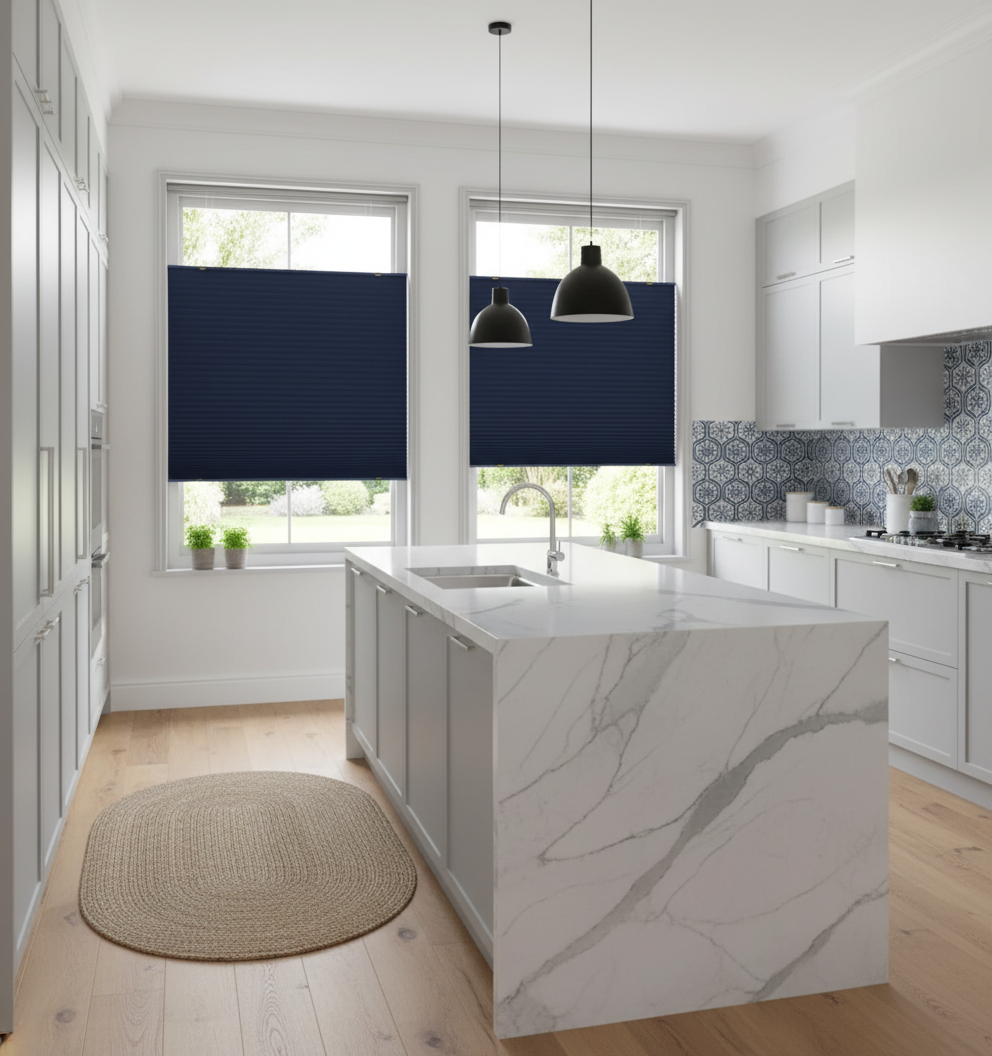
Cellular shades are one of the most energy-efficient options because they trap air and create insulation at the window.
Blinds can also help reduce heat gain, but they do not provide the same level of insulation as fabric-based shades.
For both homes and commercial buildings trying to manage heating and cooling costs, shades often offer stronger performance.
Light Control: Precision vs Soft Filtering
The biggest difference between blinds and shades comes down to how they manage light.
Blinds:
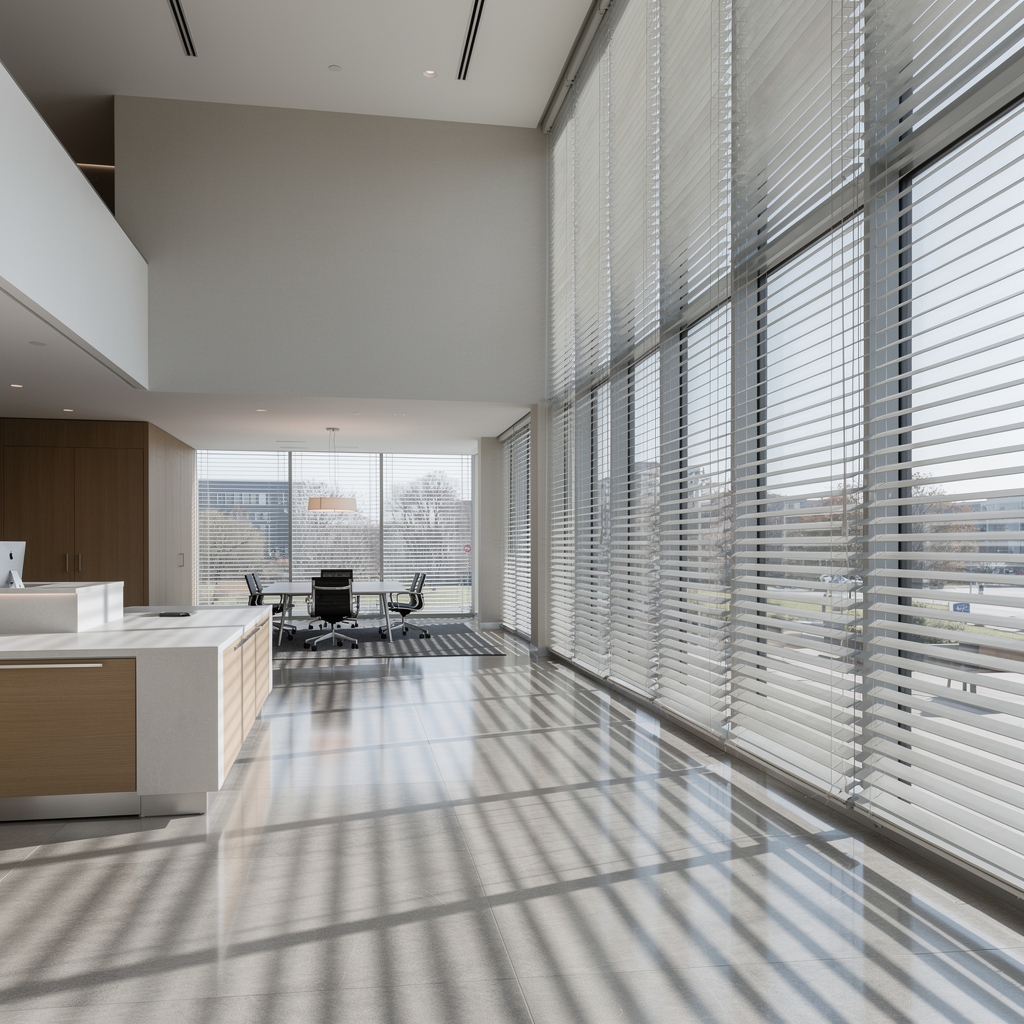
• Allow precise light control through tilting
• Let you direct sunlight upward or downward
• Maintain partial visibility while reducing glare
Shades:
• Filter or block light more evenly
• Reduce glare across the entire window
• Create a softer, more diffused lighting effect
In office environments, solar shades are often preferred because they reduce screen glare without darkening the space. In homes, the choice often depends on whether you want flexibility or softness.

Commercial Window Treatments in Colorado Springs
For commercial properties, the decision between blinds and shades often comes down to function.
Blinds are commonly used in:
• Offices that need adjustable light throughout the day
• Break rooms and utility spaces
• High-use environments where durability matters
Shades are commonly used in:
• Conference rooms with screens or presentations
• Medical and professional offices
• Retail spaces where aesthetics and lighting matter
Motorized shades are also becoming more common in commercial buildings, allowing businesses to control multiple windows at once and improve energy efficiency.
Why Many Colorado Homes and Businesses Use Both
One of the most effective approaches is not choosing one over the other — but using both strategically.
For example:
• Blinds in kitchens or offices for durability
• Shades in living areas or conference rooms for comfort
• Blackout shades in bedrooms or presentation spaces
This room-by-room strategy creates better performance across the entire property.
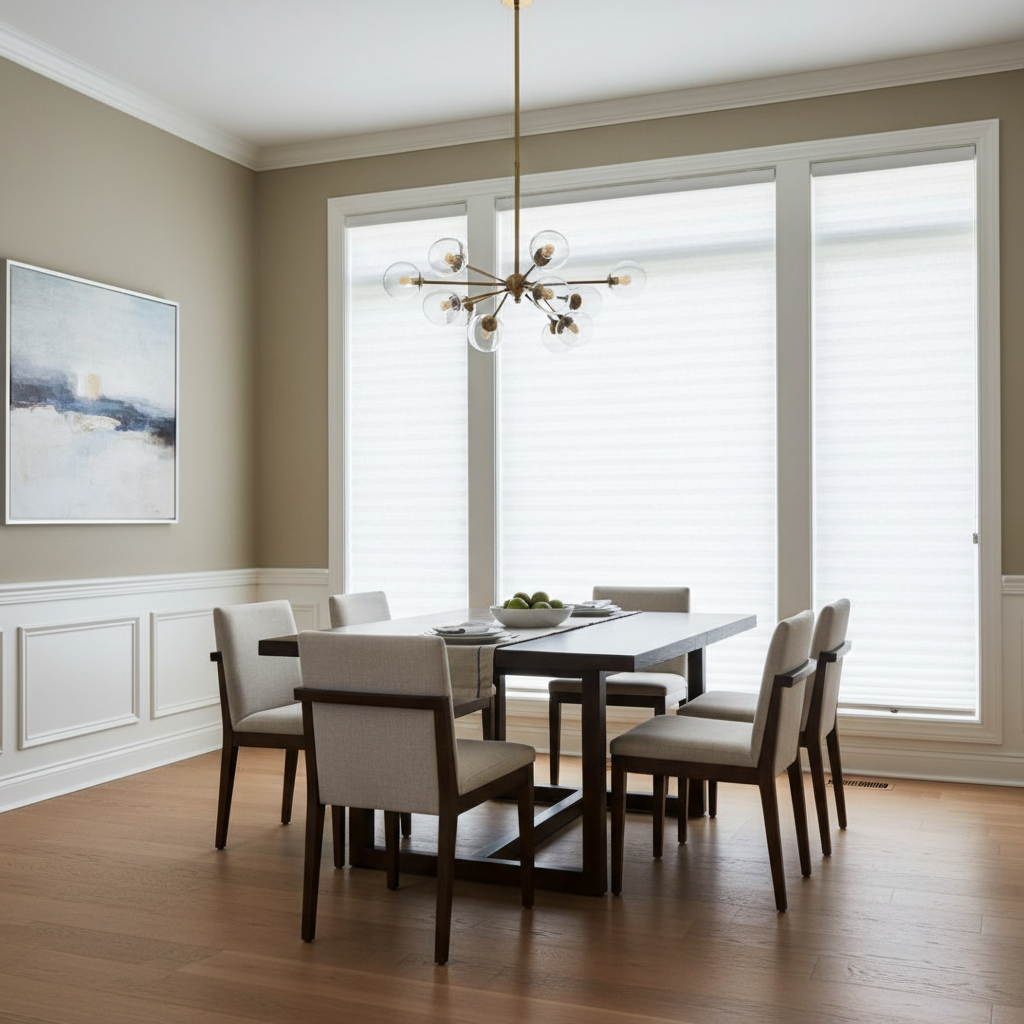
Choosing the Right Window Coverings for Your Space
The best choice depends on how your space is used.
Ask yourself:
• Does this room need adjustable light or filtered light?
• Is durability or softness more important here?
• How much direct sunlight does this window receive?
• Is this a residential or commercial environment?
These answers help guide whether blinds, shades, or a combination of both will work best.
Schedule a Free Consultation in Colorado Springs
Choosing between blinds and shades doesn’t have to be overwhelming. The right solution becomes clear when you evaluate your space, your light, and your daily needs.
Love is Blinds Colorado provides custom window treatments for both residential and commercial properties throughout Colorado Springs.
Schedule a free in-home or on-site consultation to find blinds and shades that improve comfort, performance, and design in your space.
Frequently Asked Questions
Q: Are blinds or shades better for offices in Colorado Springs?
A. Shades, especially solar shades, are often better for offices because they reduce glare on screens while keeping spaces bright and comfortable.
Q: Which is more durable: blinds or shades?
A. Blinds are generally more durable, especially in high-traffic areas or commercial environments.
Q: Do shades help reduce energy costs?
A. Yes. Cellular shades in particular provide insulation that can help lower heating and cooling costs.
Q: Can I use both blinds and shades in the same building?
A. Absolutely. Many homes and businesses use a combination to match the needs of each room.